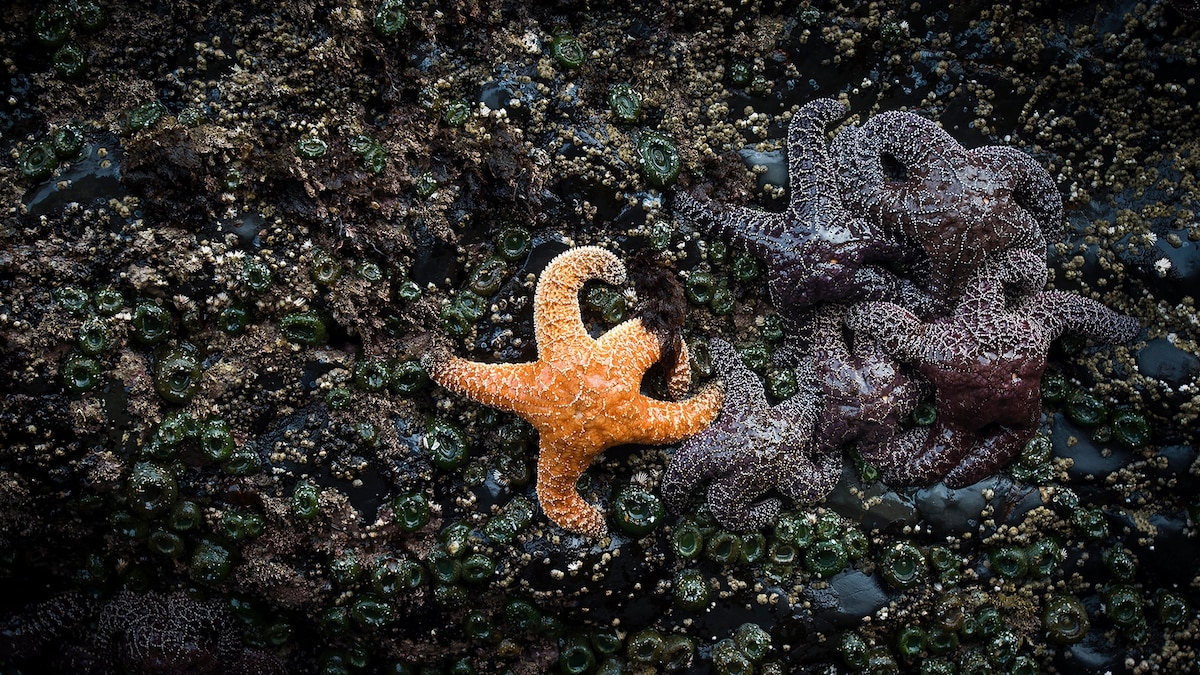
A decade after a devastating wasting disease wiped out up to 84% of ochre sea star populations along the West Coast, scientists are witnessing an unexpected recovery—driven by a massive “baby boom” of juveniles that may have inherited genetic resistance to the virus. New research suggests these young sea stars could restore the species to pre-disease levels, but the long-term stability of the rebound remains an open question.
How a single gene may explain the sea star survival mystery
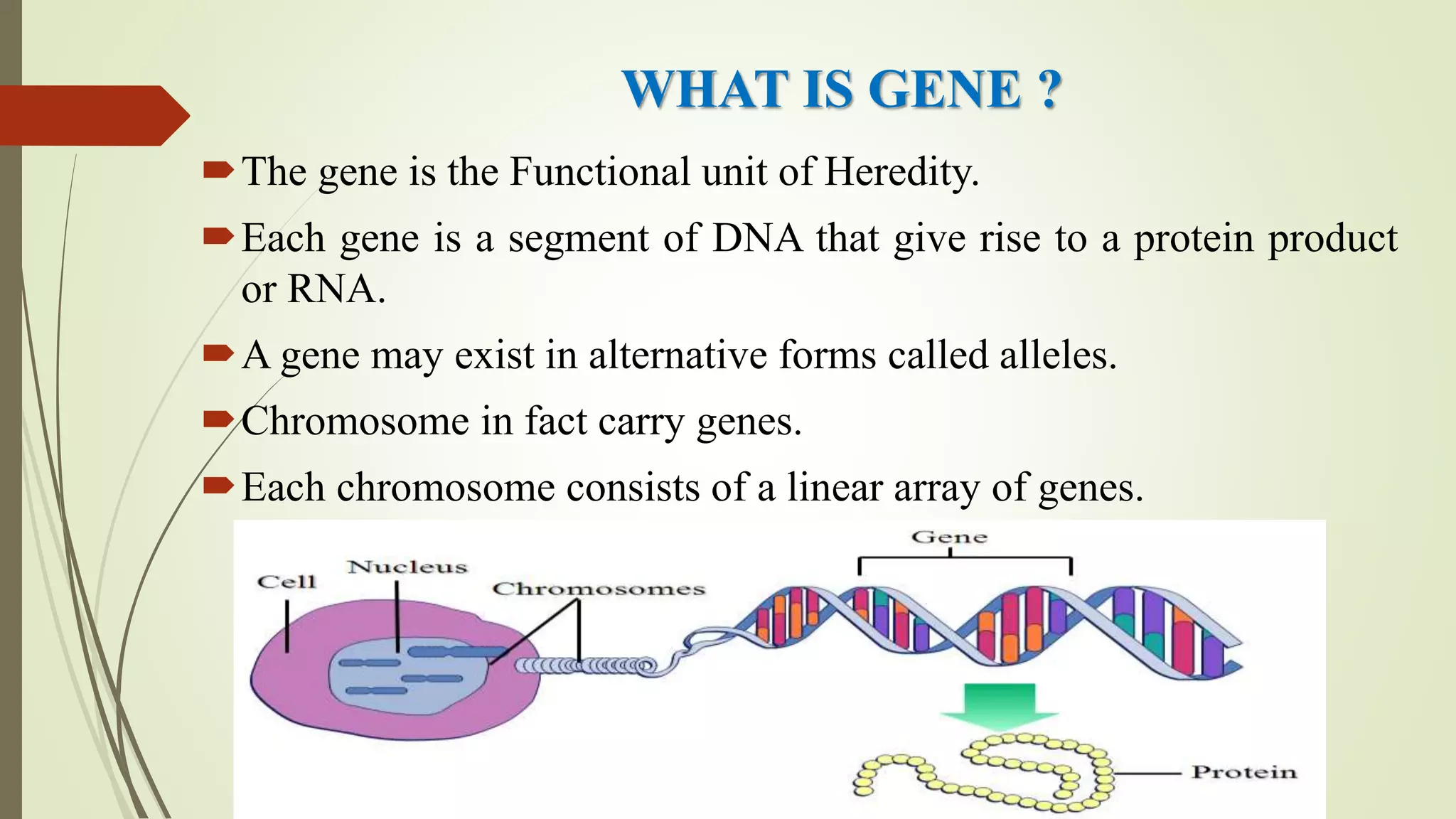
Researchers at the University of California, Merced, have identified a potential genetic clue behind the survival of some sea stars during the 2014 die-off. A variant of the EF1-A gene—linked to immune response in mammals—appears more frequently in healthy sea stars than in those infected by the wasting disease. The twist? A slightly altered form of the same gene is usually lethal, much like sickle cell disease in humans, where its presence offers protection at the cost of viability in its pure form.
“It’s like sickle cell disease. It’s in higher proportions in the population than you’d expect normally because it has this lethal effect.”
Photo: science.oregonstate.edu
Michael Dawson, UC Merced evolutionary ecologist
The gene’s role in sea stars remains unclear, but its association with cell growth and immune function suggests it may have helped some individuals fend off the virus. What’s certain is that the die-off acted as a natural selection event, weeding out susceptible individuals and leaving behind those with a genetic advantage. National Geographic reports that a full genomic analysis of the species could reveal additional immune-related mutations tied to the EF1-A gene, offering deeper insights into how these marine ecosystems might adapt to future threats.
The baby boom that defied extinction
The turnaround began in 2015, when Bruce Menge, a marine ecologist at Oregon State University, observed something he’d never seen in decades of research: hundreds of tiny sea star juveniles crowding coastal sites. At one location, the density of babies was so high they could be counted in the palm of a hand. What followed was a demographic explosion—an 8,000% increase in young sea stars within a year, according to a study published in Ecosphere.
“To find one of these tiny sea stars was always sort of an exciting event because it was so rare. But in the spring and summer of 2015, most sites had lots of tiny little sea stars.”
Hakai Wild: Ochre Sea Star
Bruce Menge, OSU distinguished professor of integrative biology
The surge wasn’t just a fluke. By 2025, those juveniles had matured into juveniles and continued growing at an unexpectedly rapid pace. Today, at three-quarters of the study sites, predation on California mussels—the sea stars’ favorite prey—has rebounded to pre-disease levels, signaling their return as a keystone predator in the intertidal zone. The question now is whether this recovery will hold. Wasting disease still circulates, and populations remain variable, but the evidence suggests the species may have evolved resistance faster than scientists anticipated.
Why this recovery could reshape marine ecosystems
The ochre sea star’s role in coastal ecosystems is hard to overstate. As a top predator, it helps regulate mussel populations, preventing them from outcompeting other species and dominating rocky shores. With their numbers now stabilizing, the sea stars may be poised to reclaim that balance—but the process isn’t guaranteed.
One theory, supported by Menge’s observations, is that larval sea stars faced a bottleneck during the die-off. Only those with genetic resistance to the virus survived to settle on the ocean floor. If true, it would mark a rare case of rapid evolutionary adaptation in response to a disease outbreak. However, the system’s newfound variability—fluctuating populations and lingering disease—has researchers cautious.
“This recovery we think we’re seeing is very helpful, but you’re always a little worried because suddenly the system seems much more variable than it was before.”
Photo: opb.org
Bruce Menge, OSU
The implications extend beyond sea stars. If genetic resistance can emerge so quickly in a keystone species, it raises questions about how other marine populations might respond to climate-driven stressors. The ochre sea star’s story is a reminder that even in the face of catastrophic loss, nature’s resilience can surprise us—provided the right conditions persist.
What happens next: monitoring a fragile rebound
With populations now at or exceeding pre-2014 levels in many areas, the focus shifts to long-term monitoring. Scientists will need to track whether the genetic advantages observed in juveniles persist into adulthood and whether the species can maintain its ecological role as climate conditions continue to shift.
One open question is whether the 2014 die-off was a one-time event or part of a broader pattern linked to ocean warming. If the latter, the sea stars’ recovery could be a temporary reprieve rather than a permanent solution. Oregon State University’s ongoing research will continue to analyze population trends across eight coastal sites, with an eye toward predicting future fluctuations.
For now, the baby boom remains the most promising sign yet that marine ecosystems can bounce back from the brink—if given the chance.
<!– /wp:paragraph Researchers remain hopeful that these resilient populations will continue to stabilize as they adapt to the changing marine environment, providing a critical indicator of the ocean's long-term health and resilience.
Leo Andersson covers innovation, AI, and cybersecurity. A former engineer turned journalist from Stockholm, Leo has contributed to major tech outlets across Europe. His analytical style and deep understanding of technology trends define Globally Pulse’s forward-looking reporting.