
Spain’s August 12 total solar eclipse will be a celestial spectacle—but only if you’re in the right place. With 99% partiality in Barcelona and crowds flocking to prime viewing spots, experts warn of eye damage, heat risks, and logistical chaos. Here’s how to see it safely and where to avoid the rush.
Where Totality Meets Tourism: The Best (and Worst) Spots
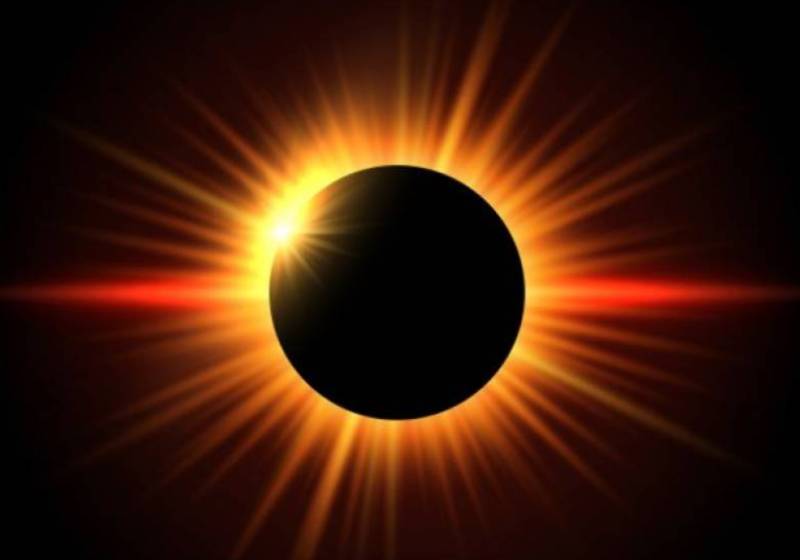
Spain’s total solar eclipse on August 12, 2026, is already sparking travel frenzy—but not all destinations deliver the full experience. The path of totality cuts a narrow swath from Vilanova i la Geltrú near Barcelona to Cullera south of Valencia, where the sun will dip just 2–4 degrees above the horizon. That’s a razor-thin margin for visibility. Space.com’s analysis reveals the critical difference between 99% partiality (like in Barcelona) and the fleeting 1–2 minutes of totality that eclipse chasers crave.
Popular beach resorts like Playa de Palma in Mallorca or Playa de la Malvarrosa in Valencia offer prime views—but with caveats. The eclipse occurs at sunset, meaning the sun will be low and obscured by hotels or hills if you’re facing east. “You need an unobstructed northwest-facing view,” warns Space.com, pointing to flat areas like the Ebro Delta or elevated miradors. Even then, timing is everything: totality in Playa de Palma lasts just 1 minute, 36 seconds—long enough to see the corona but not to linger.
Cloud cover adds another variable. Valencia’s Malvarrosa Beach has a 31% chance of clear skies based on historical data, while Mallorca’s S’Arenal sits at 32%. “Check the horizon the night before,” advises Space.com, urging viewers to use tools like Xavier Jubier’s Interactive Google Map for real-time sightline calculations.
Health Risks Beyond the Spectacle: What Experts Warn About
While the eclipse promises a once-in-a-lifetime view, health authorities are issuing blunt warnings. The Ministry of Health and the Centre for Coordination of Health Alerts and Emergencies (CCAES) classify the risks as “low overall” but highlight three critical dangers: eye damage, crowd-related illnesses, and heat exhaustion. Murcia Today reports that even brief exposure to the sun without proper eclipse glasses can cause lasting retinal damage—often without immediate pain, making it easy to overlook.
The 2017 U.S. eclipse drew record crowds, and Spain’s event is expected to mirror that scale. Authorities anticipate respiratory infections spreading in dense gatherings, particularly in rural or damp areas where mosquitoes and ticks thrive. “Basic hygiene precautions are non-negotiable,” officials emphasize, urging travelers to verify vaccinations and carry hand sanitizer. Food safety is another concern: picnic-related illnesses could spike as people flock to scenic viewpoints without refrigeration.
Heat poses the most immediate threat. With August temperatures hovering near 35°C (95°F) in coastal regions, prolonged outdoor exposure risks dehydration and sunburn. “UV levels remain high even during totality,” notes Murcia Today, advising viewers to wear wide-brimmed hats, reapply sunscreen every 90 minutes, and carry electrolytes. Alcohol consumption—likely to rise at public viewings—will exacerbate dehydration, increasing the risk of heat exhaustion.
The Logistics Nightmare: Crowds, Traffic, and Last-Minute Chaos
Spain’s tourism infrastructure is bracing for a logistical test. Major viewing spots like Valencia’s La Muntanyeta dels Sants or Mallorca’s west coast beaches will see unprecedented foot traffic, with locals and tourists converging on the same narrow strips of land. “This isn’t just a travel spike—it’s a coordinated migration,” says a CCAES spokesperson. Murcia Today reports that authorities are already coordinating with regional police to manage parking, pedestrian flow, and emergency access. In Valencia, for example, the city has designated overflow zones near the port to prevent bottlenecks at Malvarrosa Beach.
Public transport will be strained. Trains and buses serving coastal areas are expected to run at capacity, with some routes likely to suspend service for eclipse-related events. Renting a car? Plan for gridlock. “August is already a peak month for Spanish tourism,” notes Space.com, adding that eclipse-related travel could push occupancy rates to 120% in some regions. Early arrivals and late departures are strongly advised.
What to Pack: The Essential Eclipse Survival Kit
If you’re chasing totality, preparation is non-negotiable.
- Eye protection: ISO-certified eclipse glasses (not sunglasses). Indirect viewing methods (pinhole projectors) are safer for children.
- Sun safety: Broad-spectrum SPF 50+, wide-brimmed hat, and UV-blocking clothing. Reapply sunscreen every 2 hours.
- Hydration: At least 2 liters of water per person, plus electrolyte tablets to prevent cramps.
- Mobility: Comfortable shoes for uneven terrain (many viewpoints are on hills or beaches). A portable charger for phones.
- Health: Hand sanitizer, insect repellent, and any necessary medications (including motion sickness pills for car trips).
- Navigation: Offline maps and a backup power source. Cell service may drop in rural areas.
Pro tip: Arrive by midday to secure a spot. “The best views will be claimed by 3 PM,” warns Space.com. Bring a blanket to sit on—concrete and sand get scorching by afternoon.
What Happens Next: The Countdown and Beyond
The next 96 days will see a flurry of last-minute preparations. Local governments are finalizing emergency response plans, while tourism boards are promoting “eclipse-friendly” accommodations with early check-in/late check-out options. Murcia Today reports that some regions may even restrict alcohol sales near viewing areas to curb accidents.
For those who miss this eclipse, Spain has two more in the pipeline: a partial eclipse on March 29, 2025, and another total eclipse on January 26, 2028 (visible from the Canary Islands). But August 12, 2026, is the main event—a rare convergence of astronomy and tourism that Spain hasn’t seen since the 1999 eclipse over Europe. The question isn’t whether you’ll see it, but whether you’ll see it right.
One thing is certain: whether you’re a seasoned eclipse chaser or a first-timer, this summer’s event will test Spain’s ability to balance wonder with caution. The corona awaits—but so do the crowds, the heat, and the very real risks of looking up without preparation.
