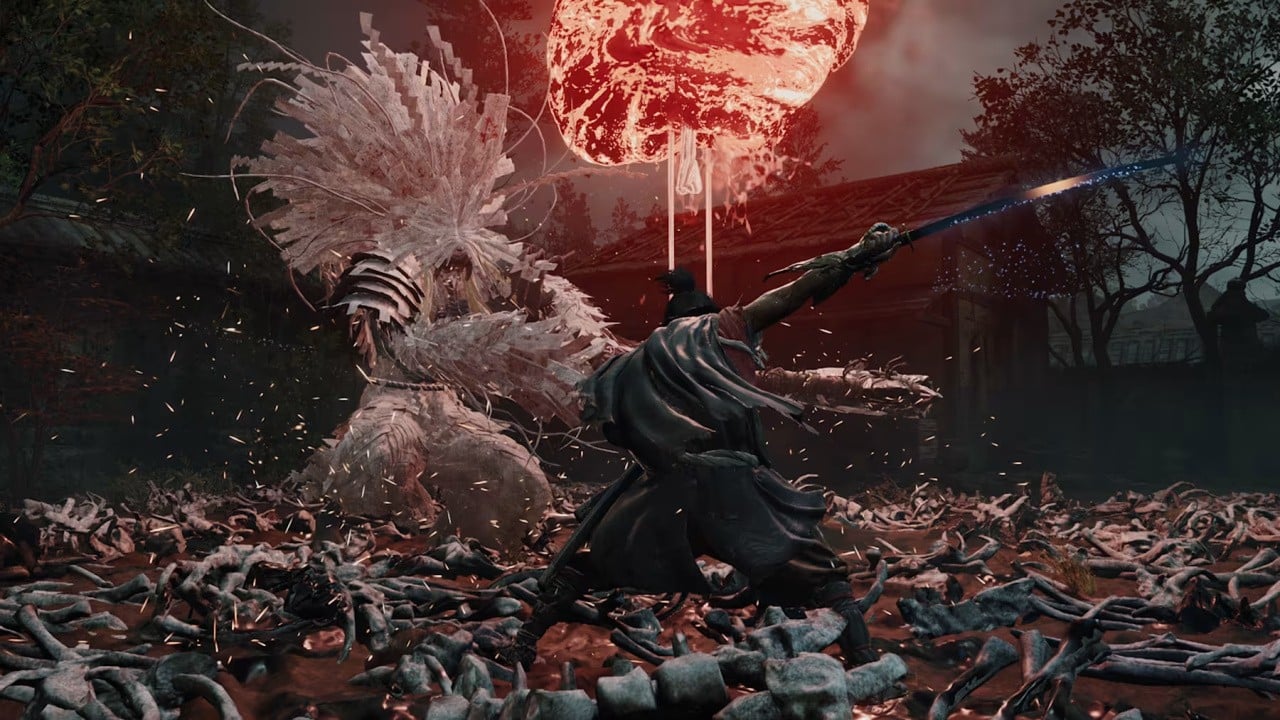
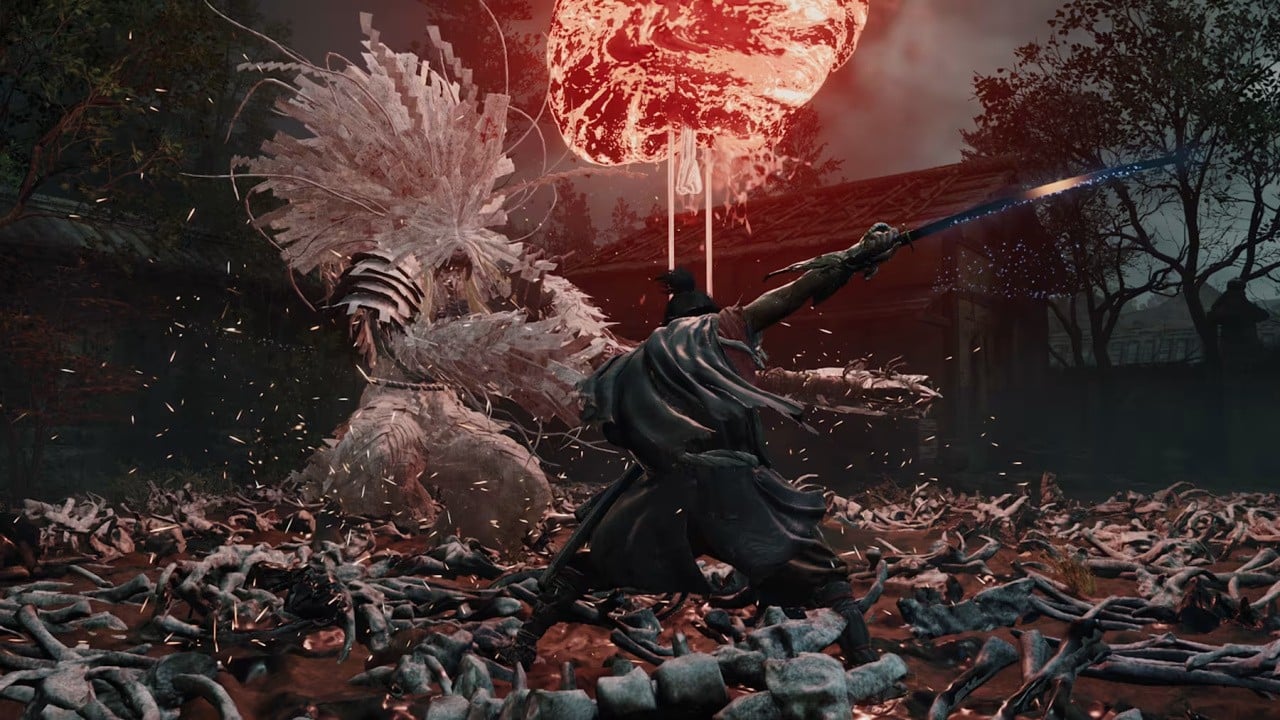
Capcom will release Onimusha: Way of the Sword for the Nintendo Switch 2 on September 25, 2026. The title will operate at 1080p resolution in TV mode and 900p in handheld mode, with performance set to 30 frames per second. An optional variable frame rate setting between 30 and 40 fps will also be available.
Performance Specs and Resolution Targets
Technical details for the upcoming release confirm a split-resolution strategy depending on how the hardware is utilized. According to Nintendo Life, the game will render at 1920 x 1080p when docked and 1600 x 900p during handheld play, with both configurations employing upscaling technology. These figures align with reporting from Nintendo Everything, which notes that while the base frame rate is locked at 30 fps, players can access a performance mode to unlock a higher ceiling.
Capcom also notes how it’s possible to change settings to enable a variable frame rate “between 30 and 40 fps”.
Liam, Nintendo Life
While the Switch 2 version targets these specific benchmarks, Capcom has indicated that other platforms will support higher performance tiers, including up to 60 fps and a 3840 x 2160 resolution. The game’s file size is estimated at 34.1GB, according to official eShop data. The use of upscaling on the Switch 2 hardware is a significant point of interest for developers, as it allows for higher perceived visual fidelity while managing the thermal and power constraints inherent in a portable-hybrid system.
Narrative Setting and Character Modeling
The game is set in Kyoto during the Edo period, a location the developer describes as being twisted by “malevolent clouds of Malice.” Players control the samurai Miyamoto Musashi, who wields a mystical “Oni Gauntlet” to battle underworld monstrosities known as Genma. To provide the character with a distinct visual identity, the developers utilized the likeness of the late Japanese actor Toshiro Mifune for the protagonist’s face model. This continues a tradition in the Onimusha series of incorporating the likenesses of famous actors, which began with Takeshi Kaneshiro in the original 2001 entry.

Broader Capcom Strategy and Expansion News
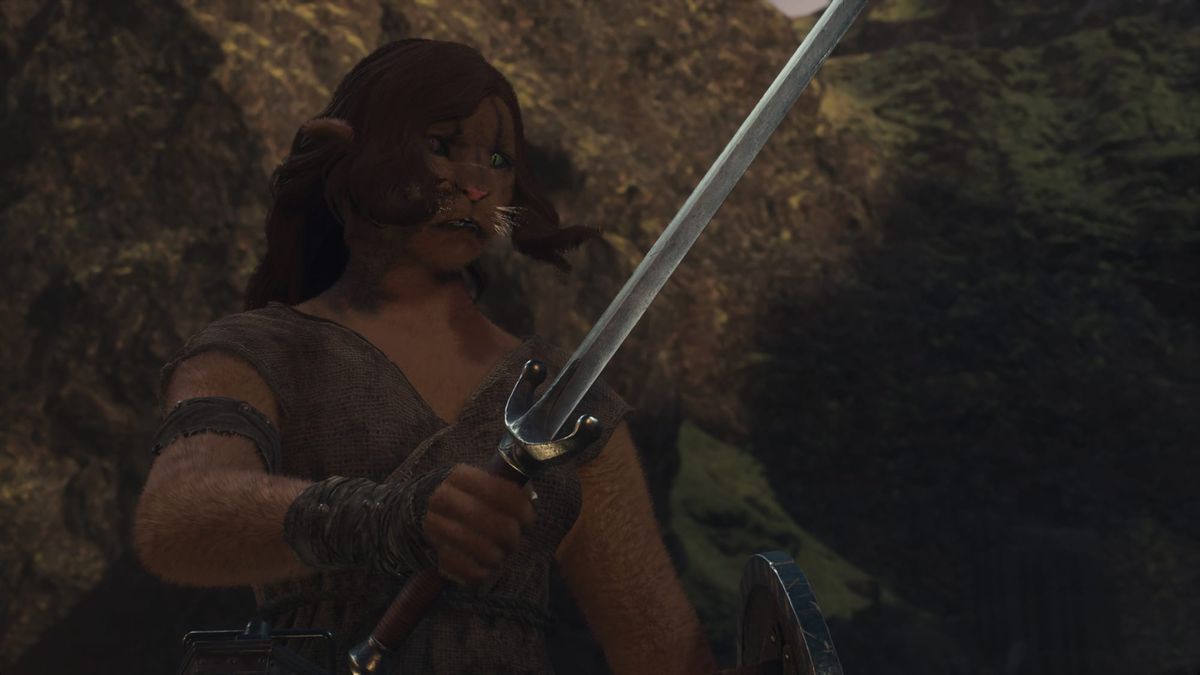
The September release of Onimusha follows a wider trend of Capcom expanding its footprint on the new hardware. In the same week, the company confirmed that the base version of Dragon’s Dogma 2 and its upcoming expansion, Dark Arisen, will also arrive on the Switch 2. GamingTrend reports that the Dragon’s Dogma 2 package will combine the base game and expansion for the platform, while the expansion will be sold as a separate purchase for PlayStation 5, Xbox Series X|S, and PC users starting October 9, 2026.
Support for these titles is accompanied by significant quality-of-life updates. As Push Square details, the developer has implemented a series of patches for the Dragon’s Dogma 2 ecosystem, including adjustments to fast travel, user interface improvements, and pawn behavior. These updates appear designed to address specific player feedback following the game’s 2024 launch, which saw critiques regarding the density of fast-travel options and the complexity of the pawn AI system.
Pre-order Incentives and Market Outlook
For players committing to the Switch 2 version of Onimusha: Way of the Sword, Capcom is offering digital incentives. Pre-orders placed through the Nintendo eShop include a “Lion Dog” charm and a “Sealed Curse” appearance for the character’s sword. The game’s launch on September 25, 2026, represents a critical test for how third-party, performance-heavy titles translate to the Switch 2’s hybrid architecture, particularly given the contrast between the 30-40 fps target on Nintendo’s hardware versus the 60 fps standard on other consoles.
The integration of the RE Engine—Capcom’s proprietary development tool—into the Switch 2 ecosystem is the technical foundation for these releases. The engine is known for its scalability across various hardware tiers, having powered titles ranging from Resident Evil Village to Street Fighter 6. By bringing the RE Engine to the Switch 2, Capcom is positioning itself to maintain parity with its multi-platform strategy, ensuring that core gameplay mechanics and visual assets remain consistent even when performance targets are adjusted to accommodate the unique hardware profile of a hybrid console. For consumers, the success of these ports will likely dictate the volume of future high-fidelity Capcom titles brought to the Nintendo platform.
Find more reporting in our Technology section.
