
Expanding Genetic Diversity in Kidepo Valley
The Nubian giraffe, currently classified as a subspecies of the Northern giraffe, faces significant survival challenges due to habitat fragmentation. According to the International Union for Conservation of Nature (IUCN) Red List, Northern giraffe populations have declined significantly over the last three decades, leaving small, isolated groups vulnerable to genetic bottlenecks.
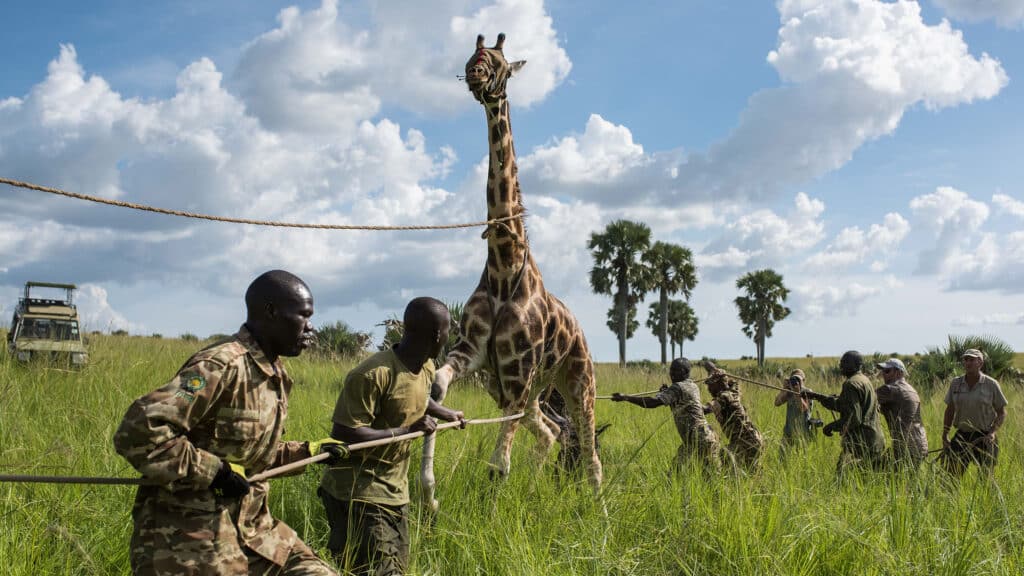
The recent arrival of the male giraffe in Kidepo Valley is part of a broader management strategy by the GCF and the Uganda Wildlife Authority (UWA). By introducing new genetic material into the local pool, conservationists hope to increase the long-term resilience of the herd.
“Translocation is a vital tool for us when natural dispersal is no longer an option due to human encroachment,” said a GCF field representative. The process involves identifying individuals from stable populations and moving them to areas where the population density is lower or where genetic diversity is stagnant.
The Logistics of Wildlife Translocation
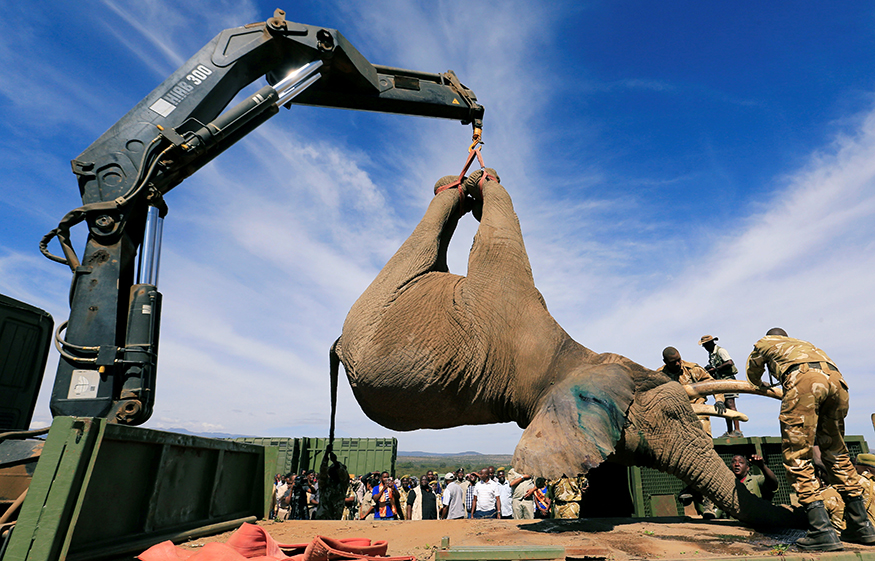
Moving a giraffe is a high-stakes operation that requires precise veterinary oversight. The animals must be sedated, loaded into specialized, high-sided transport crates, and monitored throughout the journey to prevent injury.
The UWA reports that the animal arrived in good health and has since been integrated into the local population. Monitoring teams are currently tracking the giraffe using GPS collars to observe how it interacts with the resident females and whether it successfully integrates into the social structure of the Kidepo herd.
This specific project is funded through international conservation grants, with the GCF providing the technical expertise required for the capture and transport. The UWA maintains jurisdiction over the park and oversees the long-term protection of the animals once they are released.
Monitoring Success and Future Targets
Conservationists define success in these programs by the survival rate of the translocated animals and their subsequent reproductive output. Past efforts by the GCF in other regions of Africa have shown that relocated giraffes often require several months to adapt to new vegetation types and social hierarchies.
In a 2025 assessment, the GCF noted that while translocations help stabilize numbers, they are only one component of a larger strategy. The foundation continues to advocate for the creation of wildlife corridors that would allow for natural migration, theoretically reducing the need for human-assisted movement.
However, as of June 2026, land-use conflicts around Kidepo Valley remain a primary barrier to natural movement. The UWA continues to work with local communities to mitigate human-wildlife conflict, which often arises when giraffes venture outside the park boundaries to forage in agricultural areas.
Assessing the Impact on Population Trends
The current population of Nubian giraffes remains a subject of ongoing census efforts. While the GCF and UWA have reported an upward trend in the Kidepo population over the last five years, these numbers remain modest.
The focus now shifts to observing the next breeding season. Conservationists are looking for signs of successful mating, which would serve as the primary indicator that the translocation has achieved its intended purpose of genetic enrichment.
“We are watching the integration process closely to ensure the animal is not only surviving but thriving within the existing social structure,” reported an UWA wildlife biologist.
The long-term success of this initiative will be measured in subsequent annual surveys. Researchers expect to release updated population data by the end of 2026, which will provide a clearer picture of whether these targeted translocations are sufficient to offset the broader decline of the subspecies. For now, the GCF maintains that every individual successfully added to a viable breeding population represents a measurable gain in the fight against the extinction of the Nubian giraffe.
Find more reporting in our Technology section.

