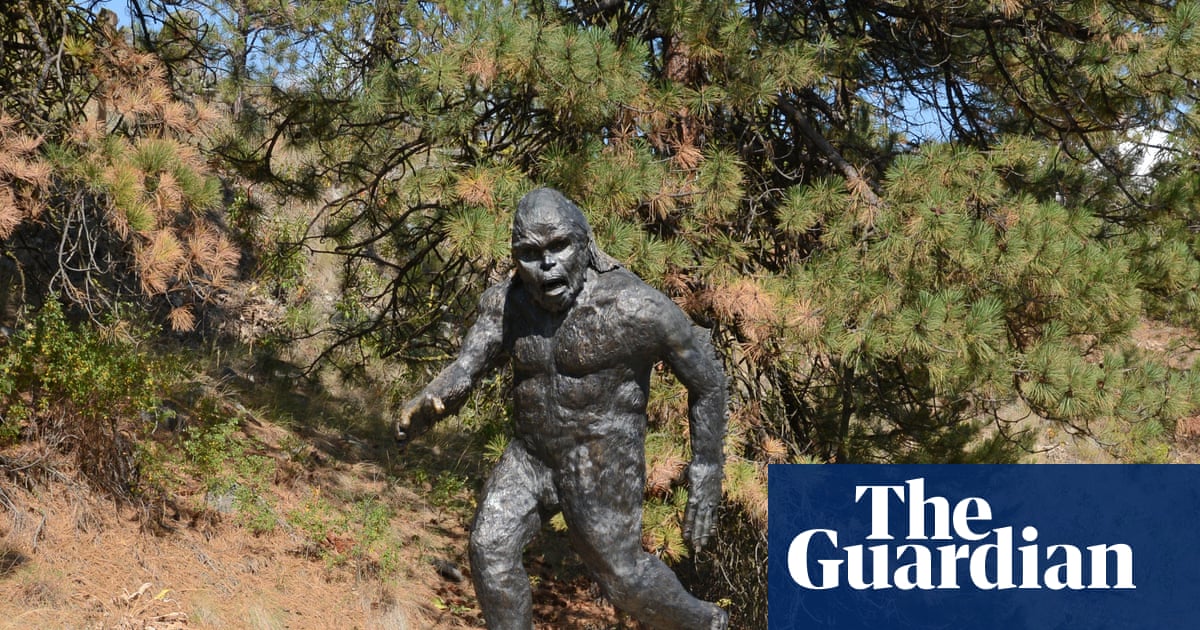
The latest wave of Sasquatch sightings in Ontario’s farmlands—where Bigfoot lore rarely lingers—has reignited a decades-old debate over whether the creature is myth or reality, with experts pointing to both psychological and scientific explanations for the phenomenon.
On June 10, 2026, residents in Chatham-Kent, a region better known for its agricultural fields than its wilderness, reported encounters with two large, bipedal figures exhibiting behaviors consistent with Sasquatch descriptions: an “earthy stench,” skittish reactions to human presence, and a size far exceeding that of any known North American primate. The reports, now logged in the Bigfoot Mapping Project, mark a rare convergence of firsthand accounts in an area where forest cover is sparse and farmland dominates. While skeptics dismiss the sightings as misidentified bears or hoaxes, believers point to a pattern of similar reports stretching back to the 1950s—including the infamous 1967 Patterson-Gimlin film, which remains the most scrutinized piece of “evidence” in Bigfoot lore.
Why These Sightings Stand Out in a Region Unlikely for Bigfoot
Chatham-Kent’s sightings are unusual not just for their proximity to human settlements but for their location: the region is one of Ontario’s least forested, with vast stretches of cropland punctuated only by small woodlots. Sasquatch sightings typically cluster in remote wilderness areas like British Columbia’s Sasquatch Provincial Park or the Pacific Northwest’s dense forests—environments where large, elusive creatures could theoretically evade detection. The fact that these encounters occurred in open farmland raises questions about whether witnesses are describing something real or projecting folklore onto ordinary wildlife.
According to The Guardian, one witness described the creatures as exhibiting “cinnamon-colored fur” and a “strong, earthy smell,” details that align with classic Sasquatch descriptions but also overlap with descriptions of black bears or even escaped livestock. The witness’s account—”they knocked back. That scared me off”—suggests a creature capable of deliberate, almost human-like responses, a trait often cited in Bigfoot encounters but rarely documented in scientific terms.
The Bigfoot Mapping Project, a crowdsourced database tracking sightings since the 1950s, has recorded thousands of reports, yet none have provided definitive proof. The FBI’s 1977 analysis of hair samples submitted by the Bigfoot Information Center concluded they were from deer, a finding that History.com notes reflected the bureau’s limited involvement in cryptid investigations. Even the Patterson-Gimlin film, the most famous “evidence,” has been debunked by some as a hoax involving a costumed actor—though proponents argue the footage’s inconsistencies (such as the creature’s unnatural gait) suggest it may be genuine.
The Science vs. the Supernatural: What Experts Say
Skeptics point to psychological and physiological explanations for Sasquatch sightings. Parapsychologist Joshua Redstone of Carleton University told The Guardian that humans are “naturally curious” about the unknown, and that fear of the unfamiliar can distort perceptions: “There’s an excitement around the possibility of discovering something new.” This aligns with research on pareidolia—the tendency to perceive meaningful patterns in random stimuli—which could explain why witnesses often describe Bigfoot as having “human-like” features despite no confirmed evidence of such traits.

Yet the persistence of Sasquatch reports, even in controlled settings, complicates the narrative. In 1980, a 17.75-inch footprint was discovered near Johnstown, Pennsylvania—a size that exceeds any known primate’s. While skeptics argue such tracks could be from bears or hoaxes, the consistency of reports across decades and regions suggests a deeper cultural phenomenon. The Bigfoot Field Researchers Organization (BFRO), founded in 1995, has documented sightings in every U.S. state except Hawaii, with All That’s Interesting noting that even former skeptics, including U.S. Forest Service workers, have reported encounters.
Scientifically, the idea of an undiscovered hominid faces significant hurdles. Primatologist Jane Goodall, while admitting she is a “romantic” about the possibility, has noted that no credible evidence—such as DNA, bones, or definitive tracks—has ever surfaced. The FBI’s declassified files on Bigfoot, which included an analysis of hair samples in 1977, concluded they were from deer, a finding that History.com frames as part of a broader pattern of debunked claims. However, the lack of a definitive answer has only fueled speculation, with some researchers suggesting that Sasquatch could be a relic population of Gigantopithecus, an extinct giant ape, or an unknown species yet to be classified.
Indigenous Stories vs. Modern Myth: The Cultural Divide
The Sasquatch phenomenon is deeply intertwined with Indigenous oral traditions. Long before European settlers arrived, nations like the Chehalis First Nation told stories of the Sasq’ets—a creature that bridged the physical and spiritual worlds. Some accounts depicted it as malevolent, serving as a cautionary tale, while others portrayed it as a neutral presence in the forest. The name “Sasquatch” itself derives from the Halq’eméylem word sásq’ets, meaning “wild man,” and was popularized in a 1929 magazine article that introduced the concept to broader audiences.
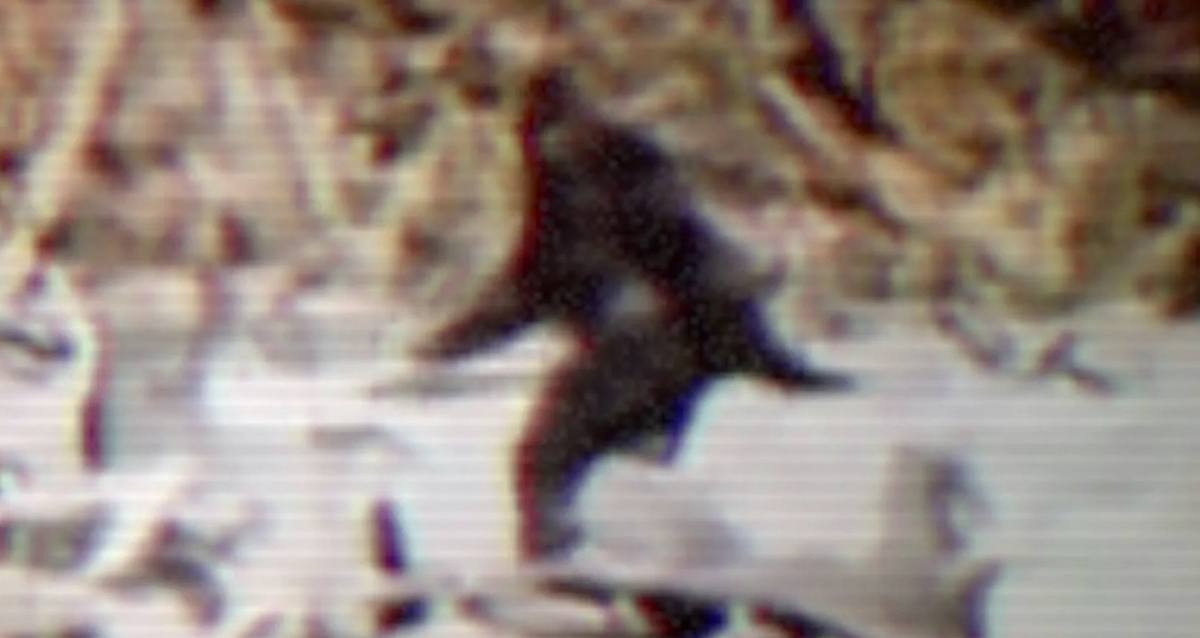
Modern Bigfoot culture, however, has largely stripped away these Indigenous contexts, reducing the creature to a pop-culture icon. The Patterson-Gimlin film of 1967—often called the “Roswell of cryptozoology”—sparked a media frenzy, with Roger Patterson even publishing a book on the subject. Yet, as All That’s Interesting points out, the film’s authenticity remains contested, with some arguing it was a staged hoax to capitalize on public fascination.
The tension between Indigenous narratives and modern cryptozoology highlights a broader issue: the commercialization of folklore. While some researchers, like those at Idaho State University’s anthropology department, study Sasquatch reports as cultural artifacts, others treat them as potential scientific mysteries. This duality—whether Sasquatch is a myth, a misidentification, or a genuine unknown—ensures the debate will persist, especially as new sightings emerge in unexpected places like Ontario’s farmlands.
What Happens Next: The Path Forward for Believers and Skeptics
The Chatham-Kent sightings may not provide definitive proof, but they underscore a key question: Why does the Sasquatch myth endure? For believers, the excitement lies in the possibility of discovery—an unknown species lurking in North America’s forests. For skeptics, the phenomenon serves as a case study in how human psychology and media sensationalism shape perception. The Bigfoot Mapping Project continues to collect reports, while organizations like the BFRO maintain databases of sightings, though no scientific breakthroughs have emerged.
One potential avenue for resolution lies in genetic analysis. Advances in DNA sequencing could, in theory, identify unknown species from hair or footprint samples. However, as the FBI’s 1977 analysis demonstrated, even high-profile submissions often yield mundane results. Without a physical specimen or definitive tracks, the debate may remain unresolved—for now.
For now, the Sasquatch remains a cultural touchstone, blending Indigenous lore, scientific curiosity, and modern media hype. The recent sightings in Ontario, while intriguing, are unlikely to change the broader narrative—unless, of course, someone stumbles upon irrefutable evidence. Until then, the creature will continue to occupy the space between myth and reality, a reminder that some mysteries are too elusive to ever be solved.
The debate over Sasquatch’s existence is as much about what we choose to believe as it is about what evidence exists.
Find more reporting in our Technology section.
