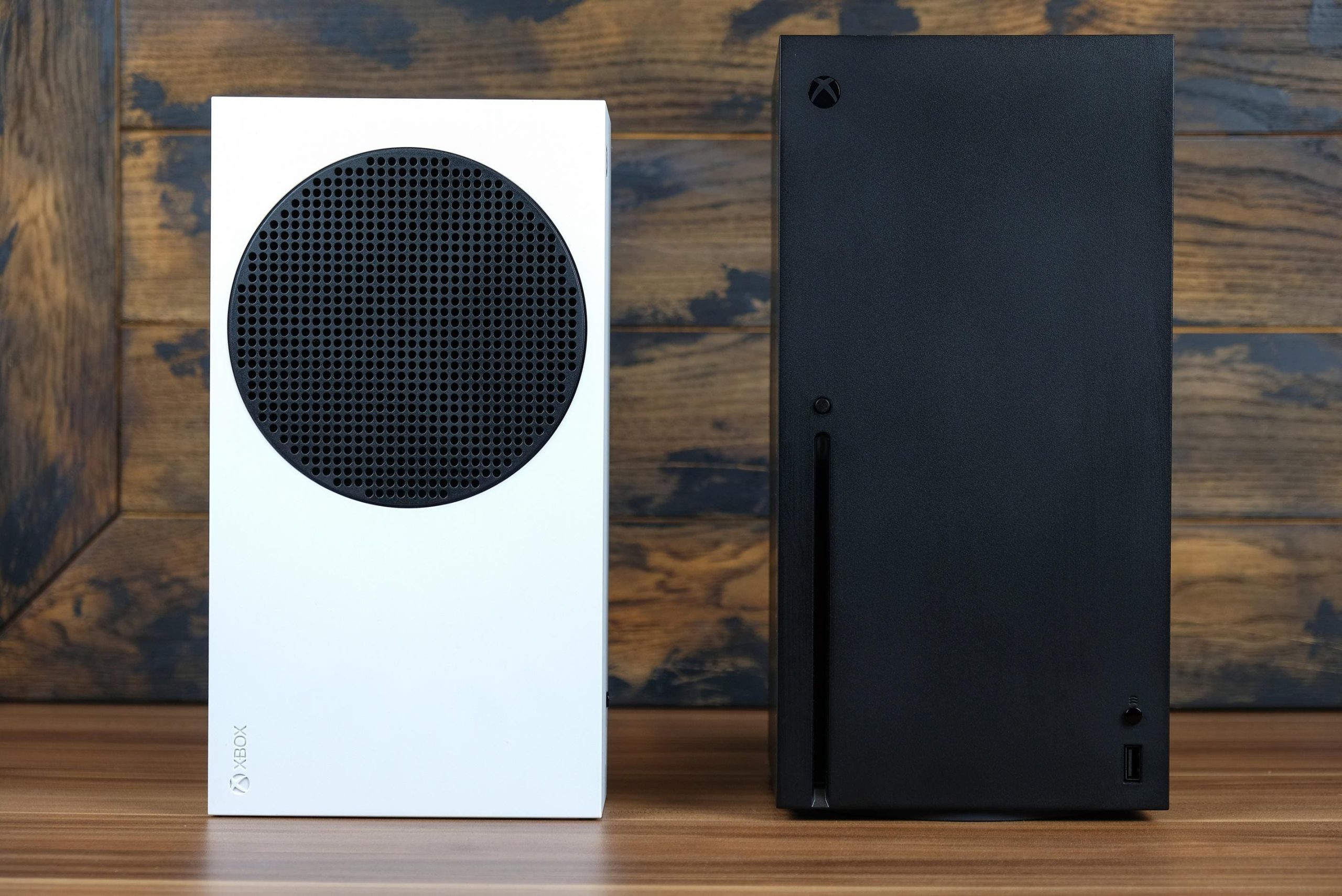
Xbox CEO Asha Sharma confirmed this week that the company is rethinking its hardware strategy as rising component costs and a focus on high-performance consoles drive prices toward $800. Facing a 3% accountability margin, the division is now exploring “radically different” business models to ensure future consoles remain accessible to mass-market consumers.
The Component Crisis Driving Console Prices
The current generation of gaming hardware has reached a price threshold that executives now openly describe as unsustainable. According to reporting from Forbes, Asha Sharma identified a “hardware component crisis” as the primary driver behind the recent trend of price hikes. Sharma noted that the cost of console storage components has risen to more than five times the price paid two years ago, a spike largely attributed to the massive demand for memory and storage from AI data centers.

This inflationary pressure has placed the industry in an uncomfortable position. Consumers are now seeing hardware like the 2TB Xbox Series X priced at $800, while the PlayStation 5 Pro has reached $900. These increases have fundamentally altered the market, forcing manufacturers to choose between selling consoles at a loss or pricing them out of reach for the average gamer.
Rethinking Project Helix and Hardware Future
Microsoft’s next-generation console, known as Project Helix, is currently undergoing a significant redesign. While the project was previously envisioned as a premium, high-end experience, the company is now pivoting to address affordability. The Verge reports that Strategy Chief Matthew Ball is working to ensure the unit remains flexible and affordable in the face of what the industry has dubbed the “RAMageddon” crisis.
The goal is to move away from the “console arms race” that prioritizes pure performance at any cost. Gizmodo notes that Sharma’s approach focuses on what is necessary for a console to succeed in the current market, rather than simply building the most powerful machine available. This shift suggests that Project Helix may incorporate features that allow for broader distribution or partnerships, rather than remaining a strictly closed-off, high-margin piece of hardware.
Internal Resets and Accountability Concerns
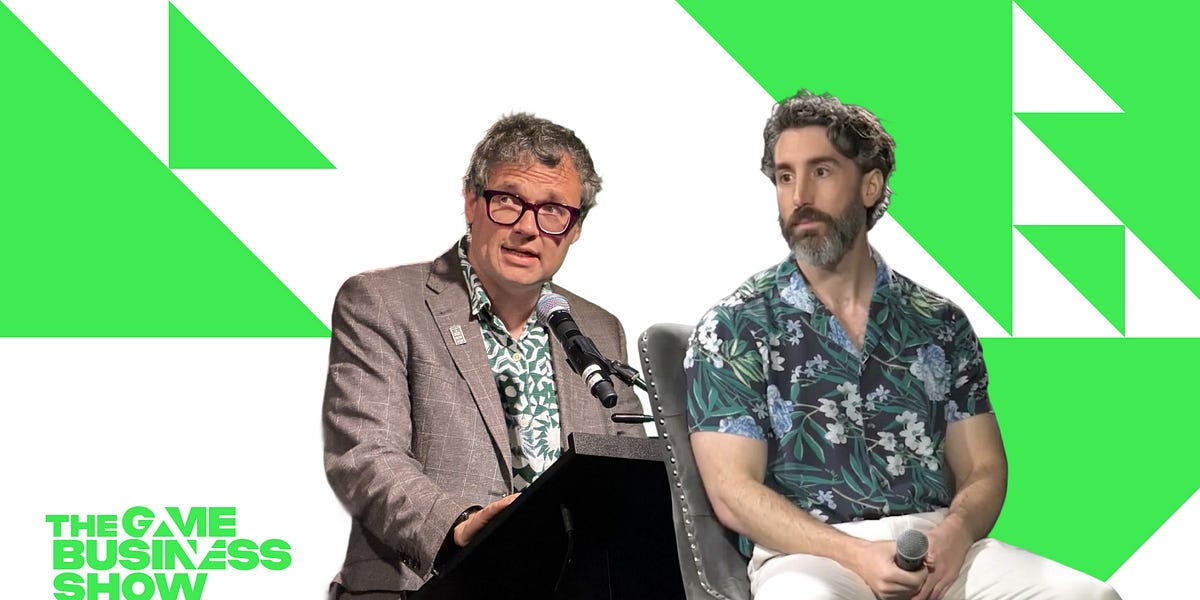
The urgency behind these changes stems from a stark financial reality. In a message to staff, Sharma revealed that over the last five years, excluding the impact of Activision Blizzard King, Xbox spent more than $20 billion on content, platform, and hardware subsidies, yet annual revenue declined by nearly half a billion dollars. The Game Business reports that the division is currently operating with a 3% accountability margin, a figure that has prompted expectations of impending layoffs.
Matthew Ball, who was brought on to navigate this restructuring, remains a “strategic optimist” regarding the brand’s viability. When Sharma first asked him if the brand was “fixable,” Ball indicated that improvement is possible, though not painless. As IGN details, the company is already moving to “reset” the business by refocusing on major intellectual property, such as Halo and Gears of War, while potentially cutting back on smaller, niche productions.
Strategic Shifts in Subscription and Marketing
The business model pivot extends beyond hardware to the company’s subscription services. After raising the price of the Game Pass Ultimate tier to $30, Xbox saw a loss of millions of subscribers, leading the new leadership to lower the price back to $23 a month. To maintain this lower price point, the company has begun restricting access to day-one releases for major titles like Call of Duty.

“We just shared with our team the realities we need to navigate as we work to reset the Xbox business. We won’t succeed by hiding hard truths, nor will we succeed by doing the same thing and expecting different results.
Looking ahead, the next 100 days for the leadership team will be critical. The company is expected to continue its “reset” by pruning its studio portfolio and re-evaluating marketing spend. For consumers, the immediate future remains uncertain, as the company prepares to introduce “radically different” business models later this year to counter the escalating costs of the console generation.
Find more reporting in our Technology section.
