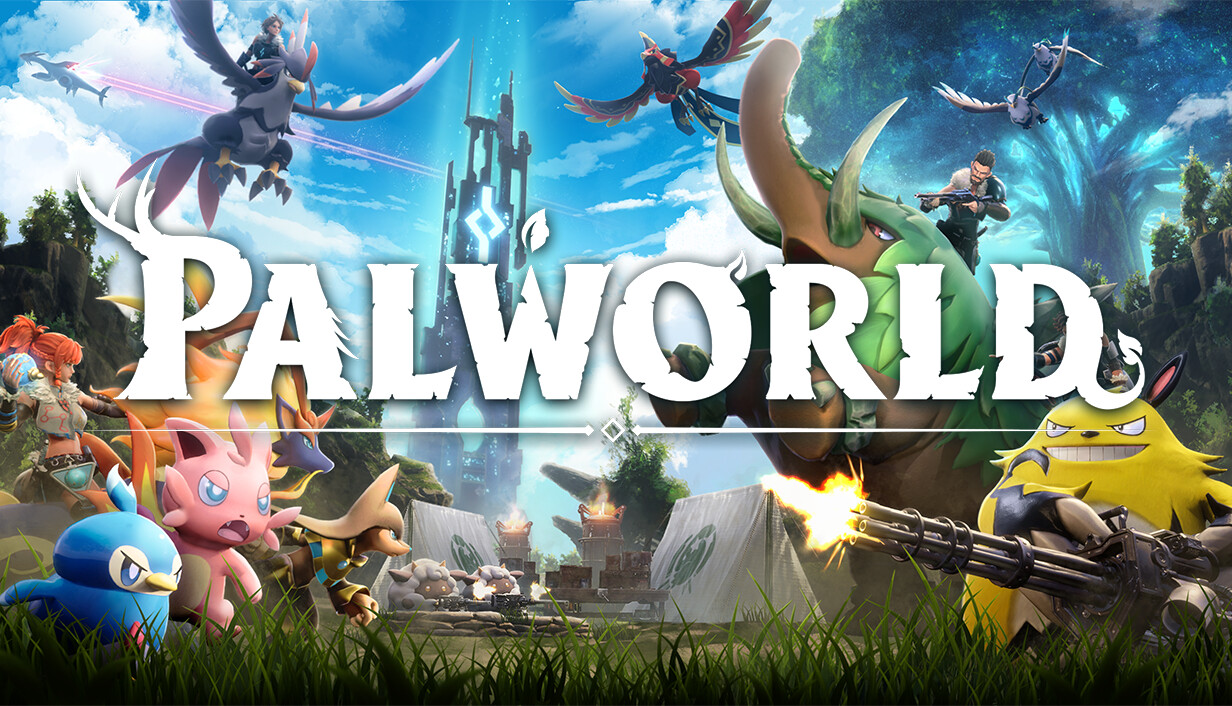
Nintendo’s Palworld lawsuit against Pocketpair has collapsed into a narrow legal battle over older versions of the game, with the company now facing a $30,000 payout at most—and no chance of blocking new releases. After amending its claims in late 2025, Nintendo and The Pokémon Company dropped their pursuit of an injunction, focusing instead on pre-update versions of Palworld that no longer resemble the current hit. Legal experts say the case is now a formality, with a ruling expected by November 2026. The lawsuit’s original target—gameplay mechanics like creature capture and ride-swapping—has been rendered moot by Pocketpair’s code changes, leaving Nintendo with little leverage. Meanwhile, the company’s recent patent loss on Poke Ball mechanics underscores a broader trend: its intellectual property strategy is under pressure.
Why Nintendo’s Lawsuit Is Now a Paper Tiger
Nintendo’s legal case against Palworld developer Pocketpair has unraveled far faster than expected. The lawsuit, filed in September 2024, once threatened to shut down the game’s current and future versions. But after Pocketpair made targeted code adjustments—removing or altering the disputed mechanics—Nintendo and The Pokémon Company scaled back their demands. According to NintendoEverything, the amended complaint now targets only pre-update versions of Palworld, released before Pocketpair’s defensive patches in late 2024 and mid-2025.
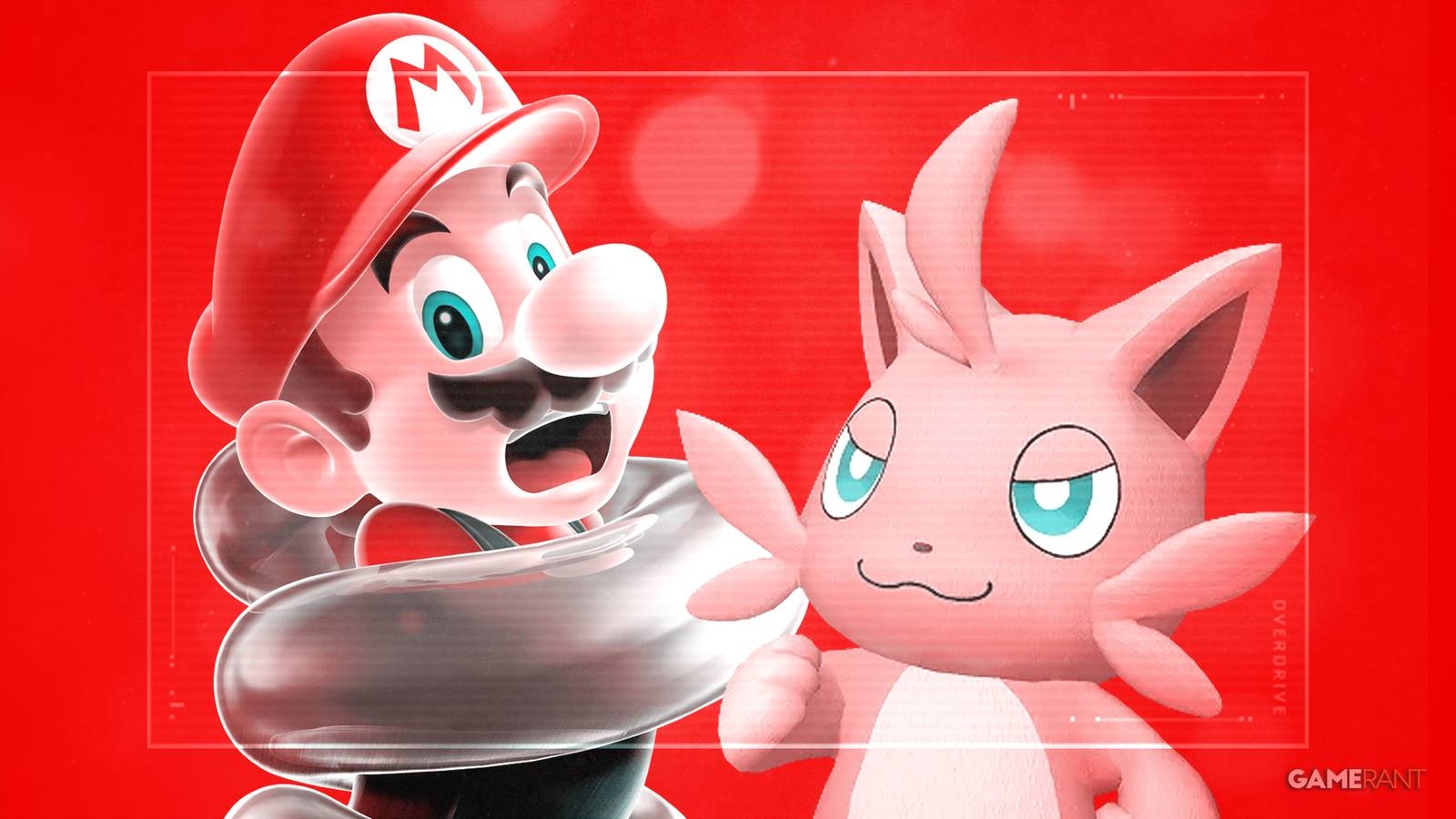
The shift is stark. Originally, Nintendo sought damages and an injunction to halt all future Palworld releases. Now, the case hinges on a technicality: whether older versions of the game infringed patents covering creature capture and ride-swapping mechanics. Even if Nintendo wins—unlikely, according to Games Fray’s legal analysis—the maximum payout would be a symbolic ¥5 million (~$30,000). The real damage? Nintendo’s reputation as a litigious guardian of its IP.
Pocketpair’s response to the lawsuit was swift and surgical. By November 2025, the developer had rewritten core systems to avoid patent triggers, effectively immunizing the game’s current and upcoming 1.0 release. “There’s no pathway to victory over any current or very recent Palworld version,” Games Fray reported, citing legal experts. The lawsuit’s focus on outdated code means even a win for Nintendo would be a Pyrrhic one—financially trivial and legally hollow.
What the Timeline Shows: A Lawsuit That Lost Momentum
The case’s trajectory reveals Nintendo’s diminishing leverage.
- September 2024: Nintendo and The Pokémon Company file suit in Japan, alleging patent infringement over Palworld’s creature capture and ride mechanics.
- Late 2024–Mid 2025: Pocketpair releases patches removing or altering the disputed features, rendering the lawsuit’s core claims obsolete.
- November 2025: Nintendo amends its complaint, narrowing the scope to pre-patch versions of Palworld. Injunction requests are dropped.
- October 1, 2026: Evidence presentation begins. Court to rule by November 9, 2026.
- June 2026: Nintendo’s latest financial report highlights litigation losses, including a denied patent for Poke Ball mechanics—a sign its IP strategy is under scrutiny.
The timeline underscores a critical miscalculation: Nintendo waited too long to act. By the time the lawsuit was filed, Palworld had already gained traction, and Pocketpair had the resources to adapt. The company’s recent patent denial—rejected for a touchscreen capture mechanic similar to its own Pokémon mechanics—suggests Nintendo’s legal playbook may be out of step with modern gaming trends. As GoNintendo noted, the lawsuit’s collapse reflects broader challenges in enforcing patents against games that evolve rapidly.
The $30,000 Question: Why Nintendo Is Still Fighting
With the lawsuit’s stakes now reduced to a potential $30,000 payout, the question remains: Why is Nintendo still pursuing it? The answer lies in optics more than outcomes. For a company that has built its brand on IP protection, backing down entirely would signal weakness. But the legal strategy has backfired. By focusing on outdated code, Nintendo risks looking like a company clinging to irrelevance.
Pocketpair’s counter-move was brilliant. Instead of settling, the developer forced Nintendo into a corner: either drop the case entirely or chase a tiny financial windfall over a game that’s already moved on. “The lawsuit is effectively falling apart,” OpenCritic observed, highlighting how Pocketpair’s proactive changes neutralized Nintendo’s claims. The irony? Nintendo’s own financial reports now list litigation losses, including the recent patent denial—a reminder that its legal battles are costing it more than they’re worth.
What Comes Next: A Ruling That Won’t Change the Game
The court’s ruling in November 2026 will be anticlimactic. Nintendo’s best-case scenario is a symbolic victory over pre-patch Palworld versions—a game no one plays anymore. The worst case? A dismissal, leaving Nintendo with nothing but legal fees. Either way, Palworld’s current and future releases are safe.

But the fallout extends beyond this lawsuit. Nintendo’s struggles with Palworld reveal deeper issues in its IP strategy. The company’s recent patent denial suggests its legal team is playing catch-up in an industry where games evolve faster than lawsuits can keep pace. Meanwhile, Pocketpair’s aggressive defense—combined with its willingness to update code preemptively—sets a new standard for how indie developers can push back against corporate giants.
For Nintendo, the lesson is clear: IP enforcement in gaming requires speed and adaptability. The Palworld case is a cautionary tale about the limits of litigation when innovation moves faster than the courts. And with Palworld already eyeing a Nintendo Switch 2 launch, the real battle may not be in the courtroom—but in the marketplace.
The Bigger Picture: Nintendo’s IP Strategy Under Siege
Nintendo’s Palworld lawsuit is just the latest in a string of legal setbacks. The company’s recent denial of a patent for Poke Ball mechanics—rejected for being “obvious” to those skilled in the art—underscores a broader trend: its once-formidable IP portfolio is facing scrutiny. Analysts note that Nintendo’s legal approach has become reactive rather than proactive, leaving it vulnerable to games that innovate around its patents.
Pocketpair’s success in neutralizing the lawsuit through code changes offers a blueprint for how smaller developers can challenge Nintendo’s dominance. By updating its game in response to the suit, Pocketpair turned Nintendo’s legal pressure into a marketing opportunity—proving that agility can outweigh IP strength. For Nintendo, the takeaway is stark: in the fast-moving world of gaming, patents alone aren’t enough. The company must either accelerate its own innovation or risk being left behind.
As for Palworld’s future? Despite the lawsuit’s collapse, the game remains a threat to Nintendo’s ecosystem. With Pocketpair already discussing a potential Switch 2 launch, the real competition may not be in court—but in the hands of players choosing Palworld over Pokémon.
Find more reporting in our Technology section.
