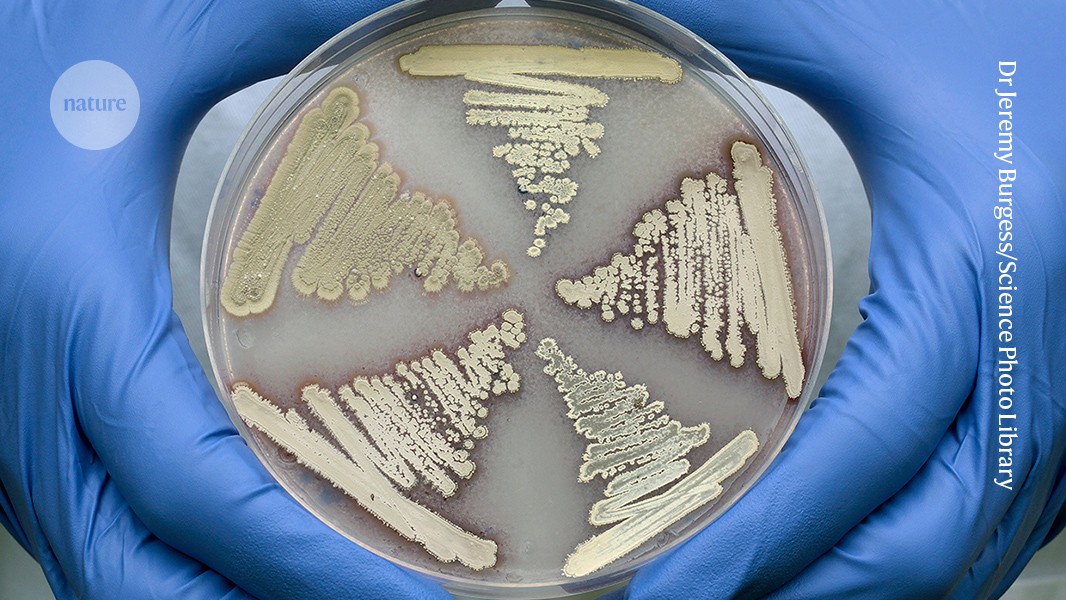
Scientists have identified a cluster of genes in a common soil bacterium that produce a range of antibiotics capable of targeting multidrug-resistant bacteria, offering a potential breakthrough in the fight against superbugs. The discovery, detailed in a study published in Nature, reveals a “megacluster” of genes in Streptomyces bacteria that produce four antibiotics and a protein, all targeting the same metabolic pathway essential for bacterial survival.
Discovery of the Megacluster
The research, led by biochemist Eric Brown at McMaster University, uncovered a gene cluster in Streptomyces that encodes compounds attacking biotin (vitamin B7) production, a critical process for bacterial cell growth. “It is without precedent that we would find four biosynthetic gene clusters at a single address that make four molecules targeting the same pathway,” Brown said, according to Nature. The team confirmed the cluster’s role by cloning a 65,808-base-pair DNA segment and inserting it into a lab strain of Streptomyces, demonstrating its antibiotic potential.

Mark Blaskovich, an antibiotic researcher at the University of Queensland, called the finding “something new in a system so extensively studied—hidden in plain sight,” as noted in the Nature article. The megacluster’s presence in multiple Streptomyces species suggests evolutionary conservation, hinting at its significance in bacterial survival.
Mechanism of Action: Targeting the Ribosome’s E-Site
A separate study highlighted a novel antibiotic, manikomycin, discovered in Streptomyces rimosus, which disrupts bacterial protein synthesis by jamming the ribosome’s E-site—a previously untargeted exit point. “Manikomycin wedges into that exit and plugs it,” explained Gerard Wright, a McMaster University biochemist, in Earth.com. This mechanism halts protein production, killing drug-resistant bacteria like MRSA and vancomycin-resistant Enterococcus.
Unlike conventional antibiotics, which often target well-known bacterial pathways, manikomycin’s approach exploits a “hidden weak spot.” Wright noted that bacteria lack defenses against this strategy, as the E-site had never been an antibiotic target before. “Bacteria fight off antibiotics with defenses built up over decades of exposure,” he said, but “they carry none of the usual tricks for blocking manikomycin.”
Historical Context and Development Challenges
The discovery of manikomycin echoes past antibiotic breakthroughs, such as vancomycin, which became a last-resort treatment for MRSA in the 1990s. However, as American Council on Science and Health warns, promising antibiotics often fail in development. The article cautions that while manikomycin shows promise, its journey from soil to clinic faces hurdles. “Slam dunks are few and far between,” the piece states, referencing historical setbacks in antibiotic research.
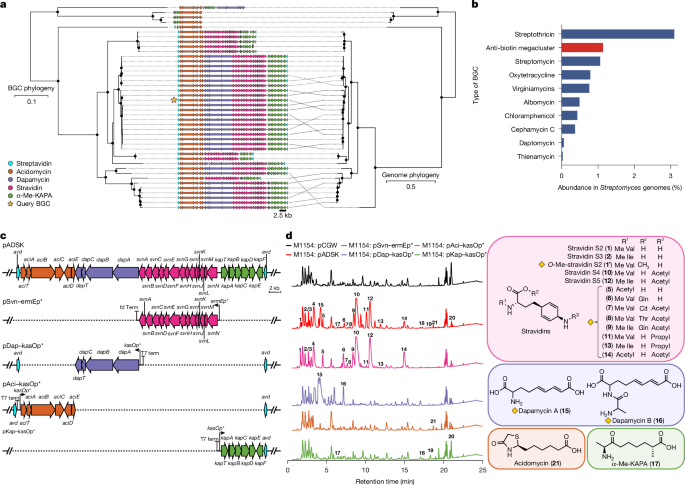
Eric Brown’s team, however, remains optimistic. The megacluster’s ability to produce multiple antibiotics targeting the same pathway could reduce resistance risk, as bacteria struggle to adapt to simultaneous attacks. “Since evolution has already optimized this combination, we may be able to leverage it to develop novel antibiotic combinations,” Blaskovich said, per Nature.
Find more reporting in our Health section.
