4
Stellantis executives unveiled the FastLane 2030 strategy at an Auburn Hills investor event, committing $69.7 billion to a global product overhaul. The plan targets North American growth with 11 all-new nameplates and 12 refreshed models by 2030, aiming to expand market coverage from 60 to 90 percent across the company’s portfolio.
A $69.7 Billion Pivot for North American Brands
The automotive giant is moving to reverse years of declining sales and profit margins by refocusing its 14 global brands. According to MotorTrend, the strategy—dubbed FastLane 2030—prioritizes four core brands: Jeep, Ram, Fiat, and Peugeot, which will receive 70 percent of the company’s total resources. While regional brands such as Chrysler and Dodge will not be eliminated, their roles are being redefined to capture specific segments of the U.S. market.
CEO Antonio Filosa emphasized that the company’s strategy relies on every brand delivering on these specific commitments. Under the new investment roadmap, the company will launch 60 new vehicles globally, including a mix of internal combustion, hybrid, and electric powertrains. The capital allocation is designed to consolidate vehicle architectures, reducing the number of platforms used across the global fleet from nine down to four by 2028, according to company disclosures.
“The FastLane 2030 plan is not just about product; it is about operational discipline and ensuring that our capital is deployed where it generates the highest return on invested capital,” stated Antonio Filosa during the presentation.
Chrysler’s SUV-Focused Expansion
Chrysler is emerging from a period of stagnation with a plan to introduce three new SUVs before 2030. Motor1 reports that the brand will lead with the Airflow, a mid-size SUV expected to start below $40,000. The vehicle is designed to compete with established near-luxury crossovers.
Beyond the mid-size offering, Chrysler is targeting the entry-level market with two compact crossovers: the Arrow and the Arrow Cross. These models are expected to start under $30,000, providing a significant volume play for the brand. Car and Driver notes that the Arrow will feature a sedan-like aesthetic, while the Arrow Cross will adopt a more traditional SUV silhouette. While the Pacifica minivan will see a refresh in 2027, the focus for the brand’s growth remains firmly on these new utility vehicles. The pivot to SUVs aligns with Stellantis’ broader goal to increase its share of the North American utility segment, which currently accounts for the majority of new vehicle registrations in the region.
Dodge’s Performance-Driven Portfolio
Dodge is repositioning its lineup to emphasize performance, even at lower price points. The upcoming GLH—a moniker referencing the 1980s “Goes Like Hell” Omni—will serve as a performance-focused compact SUV. Priced to stay below $40,000, the vehicle is intended to be a true entry-level performance option.
“We are committed to maintaining the Dodge spirit of performance by ensuring that our entry-level models provide a true entry-level performance vehicle experience for the next generation of drivers,” said an internal product strategy memo released during the investor event.
cluster (priority): MotorTrendStellantis Reveals Their Surprising Plans for Now Till 2030!
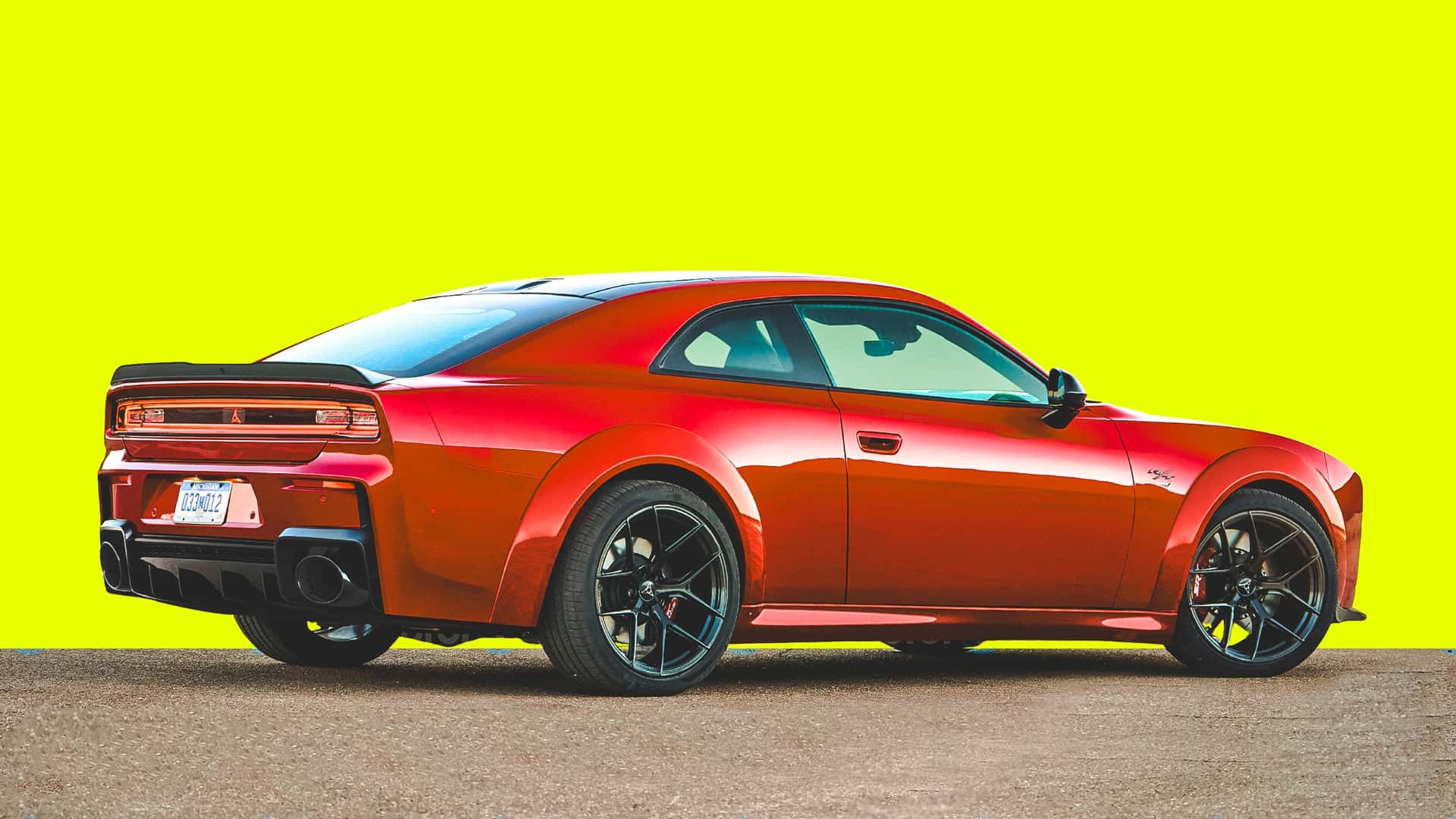
The brand is also maintaining the Durango in its three-row SUV lineup, confirming it will receive a substantial refresh. For enthusiasts, Dodge is developing a high-performance halo car, with reports pointing to an SRT-tuned model potentially named the Copperhead, which would sit above the already-in-development SRT version of the Charger. This high-performance strategy is supported by the company’s decision to maintain internal combustion options for the performance segment, balancing the transition to electrified powertrains with the demand for traditional high-output engines.
Ram’s Truck and Utility Growth
cluster (priority): Car and Driver
Ram’s strategy centers on expanding its footprint in the pickup and SUV segments. The brand plans to introduce the compact Rampage to the U.S. market, followed by a new mid-size Dakota in 2028. Both trucks are expected to offer high-performance SRT trims.
Furthermore, Ram is entering the full-size SUV market with the Ramcharger, a vehicle also slated for the SRT treatment. This expansion into new categories is part of the company’s broader goal to reach 90 percent market coverage in the region by the end of the decade. The Ramcharger is expected to utilize a range-extender powertrain, a technology the company highlighted as a key differentiator in the full-size truck market. Analysts observing the presentation noted that this approach targets the segment of the market hesitant to move to full battery-electric vehicles due to range concerns.
Jeep’s Off-Road Evolution
Jeep’s product pipeline is heavily focused on rugged utility and performance. The brand is preparing to launch a new Wrangler Scrambler, which appears to be a two-door pickup variant of the iconic off-roader.
Key updates for the Jeep brand include:
An SRT-grade Grand Cherokee.
A new Compass model.
Refreshed versions of the Grand Cherokee and Grand Wagoneer.
The introduction of an internal-combustion powertrain for the Recon electric off-roader.
As the industry shifts toward 2030, the success of these plans depends on the company’s ability to balance the $69.7 billion investment against rising costs and competitive pressure. By focusing on seven vehicles under $40,000 and two under $30,000, Stellantis is betting that affordability combined with brand-specific performance will regain the market share lost in recent years. The company confirmed that the $69.7 billion figure includes significant infrastructure investments in existing manufacturing facilities in Michigan and Ontario, which will be retooled to support the production of the new platforms. According to the company’s fiscal outlook, these investments are expected to be front-loaded in the 2026-2028 period to ensure product readiness for the 2030 target.