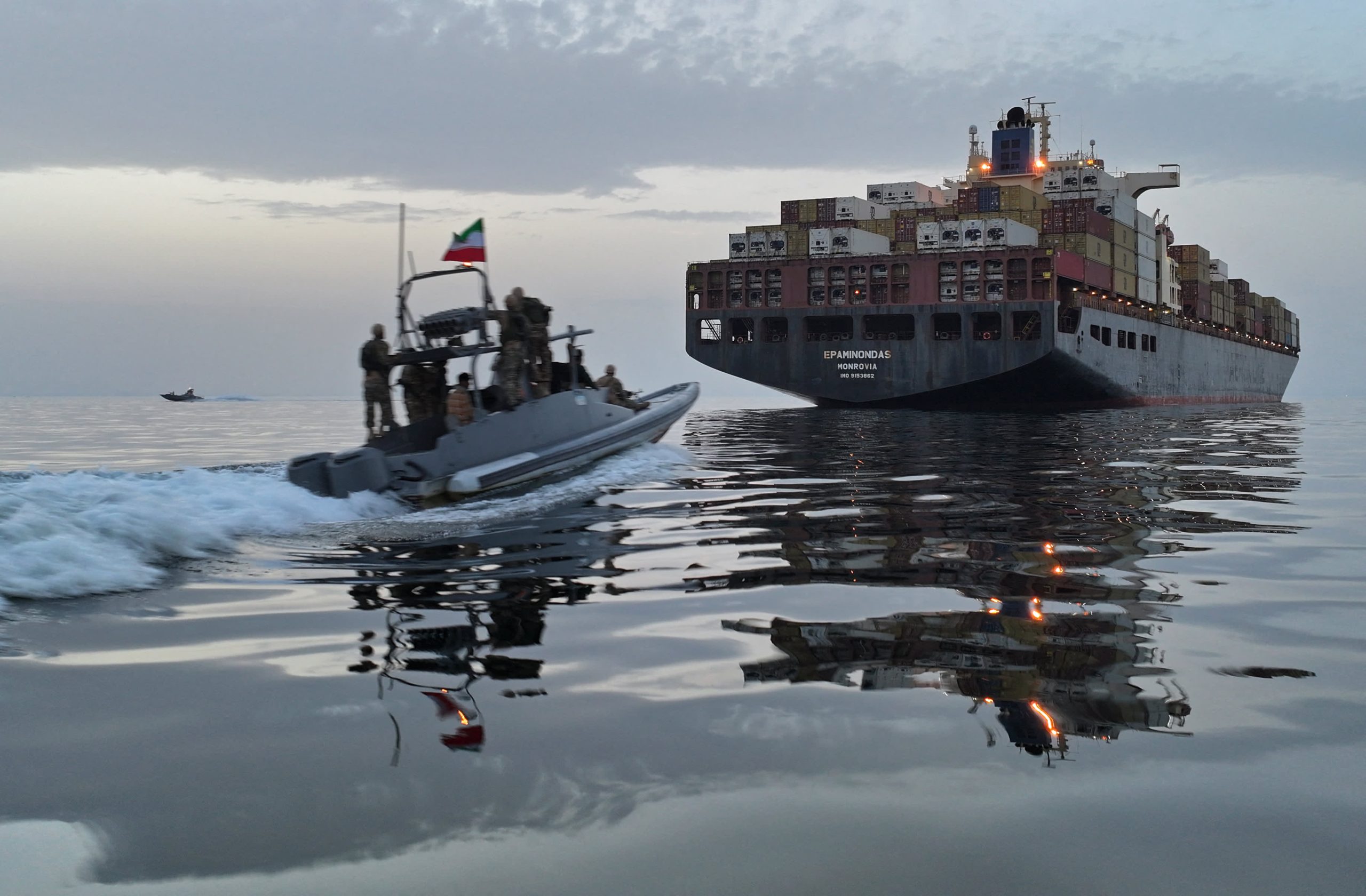
U.S. Secretary of State Marco Rubio declared “slight progress” in Iran peace talks on Friday, May 22, 2026, as Pakistan’s military chief arrived in Tehran for a third round of mediation—even as tensions over the Strait of Hormuz threatened to derail negotiations and force a NATO-backed “plan B” to reopen the vital waterway. The latest diplomatic push comes as Iran and the U.S. remain deadlocked over Tehran’s demand for a permanent tolling system on the Strait of Hormuz, a move Rubio called “unacceptable,” while a UN Security Council resolution to block Iran’s control of the shipping lane faces potential vetoes from China and Russia.
Diplomatic Deadlock: What the Sources Say
Rubio’s cautious optimism—”there had been a little bit of movement and that’s good”—contrasts with the urgency of the Strait of Hormuz standoff. The waterway, which normally carries 20% of the world’s oil and gas, has been effectively closed since U.S.-led strikes on Iran in late February. According to AP News, U.S. Central Command has already redirected 94 commercial vessels and disabled four others since mid-April, while Iran’s blockade has crippled global shipping. Rubio’s warning that “if Iran pursues measures to permanently control shipping through the Strait of Hormuz, no deal would be feasible” underscores the stakes: without resolution, the U.S. is preparing for a military or NATO-led intervention to force reopening.
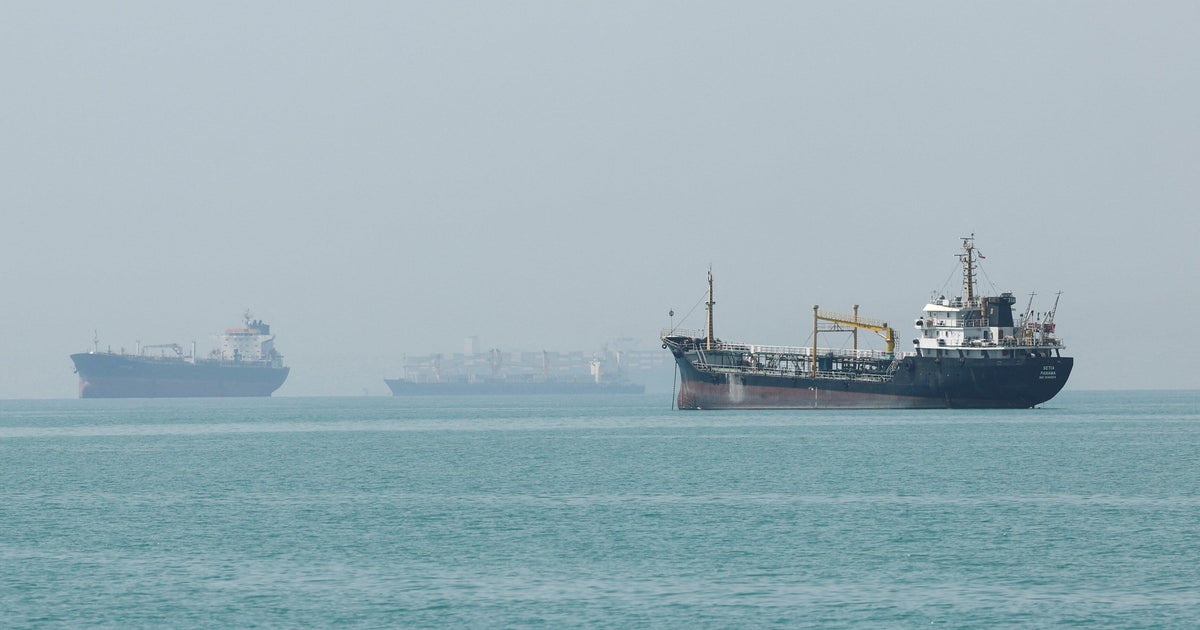
Pakistan’s army chief, Field Marshal Asim Munir, arrived in Tehran on Friday for the third round of talks this week, joining earlier meetings by Pakistan’s interior minister. The delegation is working alongside Qatar, Egypt, Turkey, and Saudi Arabia—all of whom have signaled support for a ceasefire—but progress remains fragile. As CNBC reported, Iran’s semiofficial ISNA agency described the latest U.S. proposal as narrowing gaps “to some extent,” but added that further reductions require an end to “the temptation for war from Washington.” The reference to U.S. military threats is direct: President Donald Trump has repeatedly threatened strikes if Iran does not capitulate, only to delay them at the last minute—most recently canceling planned attacks this week at allies’ request.
A Tolling System That Could Spark War
Iran’s push for a tolling system on the Strait of Hormuz is the single biggest obstacle to peace. Rubio dismissed the idea outright: “No one in the world is in favor of a tolling system. It can’t happen.” The proposal, reportedly discussed with Oman—a U.S. ally—would allow Iran to tax commercial ships passing through the strait, effectively turning a global waterway into a revenue stream for Tehran. Trump rejected the idea outright, telling reporters, “We want it open. We want it free. We don’t want tolls. It’s international.”

Yet Iran’s Ambassador Amir Saeid Iravani framed the issue differently, telling reporters in early May that the draft UN resolution—backed by Bahrain and co-sponsored by nearly every nation on the Security Council—was “deeply flawed.” The resolution, which calls for Iran to end attacks on vessels and lift its blockade, has the “highest number of co-sponsors of any resolution ever,” according to Rubio. But China and Russia, both permanent members, are reportedly considering vetoes. Rubio’s blunt assessment—”Let’s see if the United Nations still works”—reflects the growing skepticism that diplomacy alone can resolve the crisis.
For more on this story, see Rubio Warns of Global Backlash Over Iran’s Strait of Hormuz Proposal.
“If Iran pursues measures to permanently control shipping through the Strait of Hormuz, no deal would be feasible.”
NATO’s “Plan B”: Who Would Enforce It?
With talks stalled, Rubio has pushed for a NATO-led “plan B” to reopen the Strait of Hormuz—a contingency that would likely involve military intervention. Speaking at a meeting of NATO foreign ministers in Sweden, Rubio stressed that “someone’s going to have to go in and do something about it” if Iran refuses to back down. The reference to NATO action is significant: while the alliance has avoided direct involvement in the Iran war, the Strait of Hormuz is a global security issue. The UK and France have already proposed a mission to secure the waterway, but Rubio made clear their role would be limited to a post-conflict scenario: “when no one is shooting.”
Trump’s administration has faced criticism for its handling of the crisis, particularly from allies who question his willingness to use force. The president’s threat to strike Iran has been met with skepticism—especially after he canceled planned attacks this week at allies’ request. Rubio’s comments suggest the U.S. is preparing for a broader military response, but the lack of a unified NATO stance complicates matters. As CBS News noted, the draft resolution’s potential veto by China and Russia could force the U.S. to act unilaterally—risking further escalation.
The Next 30 Days: What Could Go Wrong?
The coming weeks will determine whether diplomacy prevails or whether the Strait of Hormuz becomes a flashpoint for direct U.S.-Iran conflict.
- Diplomatic Breakthrough: If Pakistan’s mediation succeeds in bridging the gaps on uranium enrichment and the Strait of Hormuz, a ceasefire could be extended. Iran’s ISNA agency suggested the latest U.S. proposal had “narrowed the gaps,” but the tolling demand remains the sticking point.
- NATO Intervention: If Iran refuses to lift its blockade and the UN resolution is vetoed, the U.S. may push for a NATO-led operation to reopen the strait. This would mark a major escalation, potentially drawing European powers into the conflict.
- Military Escalation: If talks collapse and Iran moves to formalize its tolling system, Trump has signaled he will not hesitate to strike. The risk of miscalculation—accidental clashes, regional spillover—would rise sharply.
The biggest wild card remains Trump’s unpredictability. His administration has alternated between threats and delays, leaving Iran and its allies guessing whether the U.S. is serious about negotiations or simply buying time. Rubio’s cautious optimism masks the reality: the clock is ticking. Without a resolution by early June, the Strait of Hormuz could become the next battleground in a war that has already reshaped global energy markets.
Why This Matters: The Strait of Hormuz as a Global Choke Point
The Strait of Hormuz is not just a flashpoint for U.S.-Iran tensions—it’s a lifeline for the global economy. Before the war, roughly 20% of the world’s oil and gas passed through the strait, making it the most critical maritime choke point on Earth. Iran’s blockade has already disrupted supply chains, sending oil prices surging and forcing shipping companies to reroute around the Cape of Good Hope—a journey that adds weeks to transit times and millions in costs. If Iran’s tolling system is implemented, the economic fallout could be catastrophic, particularly for nations reliant on Middle Eastern oil.
For the U.S., the stakes are both strategic and political. Trump’s administration has framed the conflict as a test of American resolve, but the lack of a clear exit strategy risks alienating allies. Rubio’s push for a NATO-backed solution reflects the need for international buy-in, but divisions within the alliance—particularly over the UK’s reluctance to engage militarily—could undermine any collective action. Meanwhile, Iran’s hardliners see the Strait of Hormuz as leverage, betting that the U.S. will either negotiate or accept a new status quo where Tehran controls the flow of global commerce.
The coming weeks will reveal whether diplomacy can still work—or whether the world is heading toward a new kind of maritime cold war, where the Strait of Hormuz becomes a permanent battleground for economic and military dominance.
