
Apple has quietly shifted its timeline for its first smart glasses, now targeting a late 2027 launch after delays pushed back what was once a 2026 debut. The project—codenamed N50—represents the company’s most ambitious foray into wearable tech since the Apple Watch, with Bloomberg’s Mark Gurman reporting that CEO Tim Cook views it as his "top priority" before handing leadership to John Ternus this September. Unlike Meta’s Ray-Ban smart glasses, Apple’s entry will start as a companion device for iPhones, offering photo capture, Siri integration, and turn-by-turn navigation—without augmented reality displays in its initial version. The $200 to $500 price point and acetate frames signal Apple’s strategy to dominate not just the smart glasses niche but the broader $200 billion eyewear market, where it will compete against EssilorLuxottica (Ray-Ban, Oakley) and Warby Parker.
Design Philosophy: Prioritizing Fashion and Lightweight Comfort Over Advanced AR Features
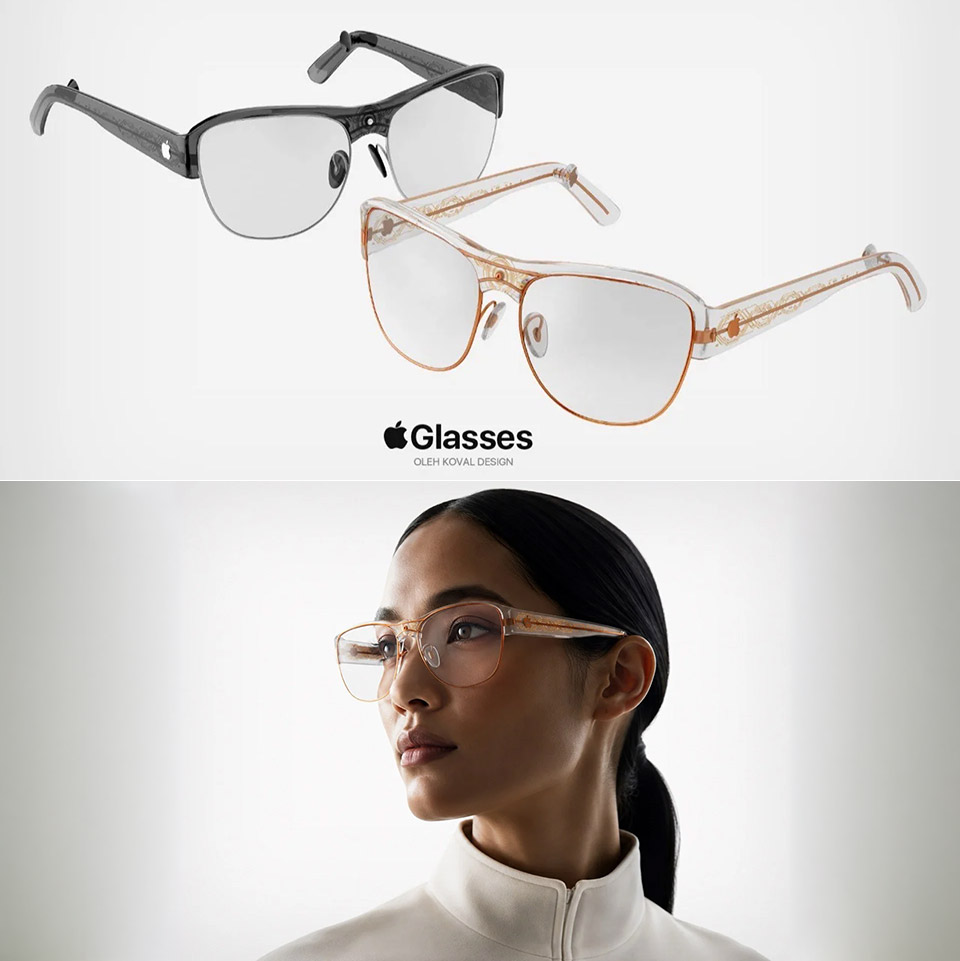
Apple’s first smart glasses will prioritize form over function in their debut, according to multiple reports. The devices—code-named N50—will feature four frame designs: a Wayfarer-style rectangular shape, a slimmer rectangular model similar to Tim Cook’s signature look, and two oval/circular options in both larger and smaller sizes. Colors under consideration include black, ocean blue, and light brown, with vertically oriented oval camera lenses positioned above the temples. Unlike Meta’s Ray-Ban smart glasses, which use the brand’s existing frames, Apple is designing its own acetate frames to balance premium feel with lightweight comfort (targeting under 50 grams). The build quality and design language echo the Apple Watch’s early success—approachable, mainstream, and integrated with iPhone features rather than standalone AR.
What sets these apart from competitors is their hardware approach. Two front-mounted cameras (one for photos/videos, one for computer vision) will enable object recognition, text translation, and basic spatial awareness, with indicator lights signaling when they’re active. A proprietary N401 chip—derived from Apple Watch silicon—handles lower-level tasks, while heavier processing is offloaded to the paired iPhone via Bluetooth or ultra-wideband. This architecture mirrors the Apple Watch’s strategy: a lightweight wearable that extends iPhone capabilities rather than replacing them. The absence of an AR display in the first version reflects Apple’s measured approach—avoiding the Vision Pro’s $3,499 misstep by starting with a $200–$500 device that appeals to fashion-conscious users before introducing premium features.
Development Delays: Apple Intelligence and the Vision Pro’s Lessons Shape the 2027 Timeline
Why late 2027?
The timeline shift from early 2027 to late 2027 isn’t just about polishing hardware. Gurman’s sources cite two critical hurdles: Apple Intelligence’s readiness and the company’s refusal to launch an unappealing product. While Siri’s voice capabilities are on track for a late-2026 debut, the visual AI components—essential for smart glasses—remain behind schedule. Apple’s internal debate mirrors its Vision Pro struggles: rushing a half-baked product risks alienating consumers, while over-engineering delays market entry. The delay also signals a pivot in Apple’s wearable roadmap. Development on a cheaper, lighter Vision Pro successor (Vision Air) has reportedly resumed, with a potential 2028–2029 launch. This suggests Apple is hedging its bets—smart glasses as a mass-market entry point, while Vision Air addresses the premium AR segment where the original Vision Pro underperformed.
For more on this story, see Apple to Release N50 Smart Glasses in 2027, Shaping $200 Billion Eyewear Market.
The strategic realignment extends beyond timing. AppleInsider notes the company is treating smart glasses as a broader eyewear play, not just a tech accessory. By targeting the $200–$500 segment—where fashion and function collide—Apple aims to replicate the Apple Watch’s market disruption. The acetate frames, lightweight design, and iPhone integration are deliberate nods to that playbook, positioning the glasses as a daily accessory rather than a niche gadget. The absence of high-end materials (like ceramic) also reflects a lesson learned: the original Apple Watch’s gold model flopped, and Apple isn’t repeating that mistake with eyewear.
Market Strategy: Targeting the $200 Billion Eyewear Industry with Incremental Innovation
Apple’s entry into the eyewear market isn’t just about competing with Meta’s Ray-Ban smart glasses—it’s about taking on the entire $200 billion industry. According to Gurman, the company views this as an opportunity to capture billions of prescription, sunglass, and fashion-glass wearers. The strategy leverages three pillars: brand prestige, iPhone integration, and incremental innovation. Unlike Meta, which repurposed existing Ray-Ban frames, Apple is designing its own hardware from the ground up. This includes custom acetate frames, vertically oriented cameras, and a chip architecture optimized for lightweight wearables.
The pricing strategy is telling. At $200–$500, Apple is targeting the mainstream market—where fashion and utility intersect. This mirrors the Apple Watch’s early pricing, which avoided the premium segment dominated by Rolex and Patek Philippe. The absence of AR in the first version further underscores Apple’s focus on accessibility. Gurman’s sources confirm that augmented reality capabilities are "years away," suggesting Apple will roll them out incrementally, much like how the iPhone evolved from basic calls to ARKit.

This follows our earlier report, XREAL’s Project Aura: 70° FOV Android XR Glasses Redefine Tethered AR with Gemini AI.
What’s less clear is how Apple will differentiate itself from existing players. EssilorLuxottica’s Ray-Ban and Oakley already dominate the fashion segment, while Warby Parker has disrupted prescription glasses with direct-to-consumer models. Apple’s advantage lies in its ecosystem: seamless iPhone integration, Siri voice control, and potential health monitoring features. But whether that’s enough to justify a $200–$500 price tag remains an open question. The success of the Apple Watch hinged on its ability to replace traditional watches—Apple’s glasses will need to do the same for everyday eyewear.
Future Outlook: Balancing Smart Glasses with Vision Air and the Challenge of Replicating Apple’s Signature Success
Apple’s smart glasses aren’t just a hardware play—they’re a test of whether the company can replicate its iPhone and Apple Watch success in a new category. The late 2027 launch gives Apple time to refine both the hardware and its software stack, particularly Apple Intelligence’s visual capabilities. If the initial reception is positive, we could see incremental upgrades in 2028–2029, including AR displays and health monitoring features.
The bigger question is whether Apple will treat smart glasses as a standalone product or as part of a broader wearable ecosystem. The Vision Air rumors suggest the company is still committed to AR headsets, but the smart glasses project appears to be its priority. Given the delays, it’s possible Apple will announce the glasses at a 2027 keynote, using the event to showcase both the mainstream and premium wearable strategies.
One thing is certain: Apple isn’t entering this market half-heartedly. With a $200 billion addressable market and a brand synonymous with innovation, the stakes are high. The company’s ability to balance design, functionality, and ecosystem integration will determine whether these glasses become a category-defining product—or just another wearable flop.
