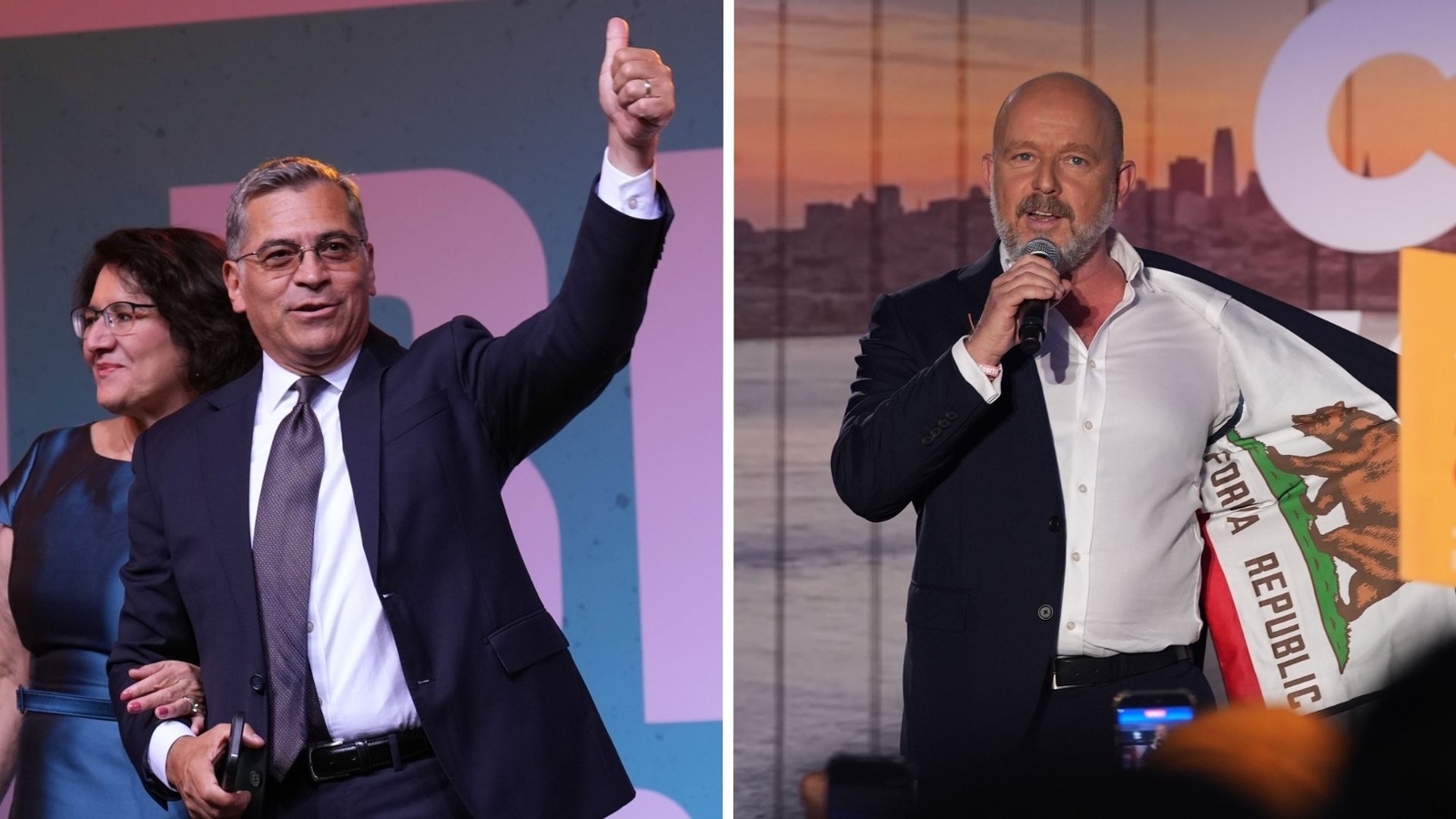
San Francisco’s race to replace Nancy Pelosi in Congress took a decisive turn on June 2, 2026, as State Sen. Scott Wiener emerged as the front-runner with 41.3% of the vote, setting the stage for a November showdown with Supervisor Connie Chan, who secured the No. 2 spot with 28.6%. The results mark the first time in decades San Franciscans will elect a new representative to fill Pelosi’s historic seat.
The victory for Chan—a progressive firebrand who outspent her rival Saikat Chakrabarti by $10 million—was celebrated as a triumph over “the billionaires” funding political campaigns. Meanwhile, Wiener, a longtime Democratic leader, framed the race as a call for bold leadership in an era when San Franciscans want “a new generation of leaders” in Washington. With Pelosi’s endorsement behind Chan, the general election now hinges on whether progressive voters coalesce around Chan or split between her and the more establishment-backed Wiener.
Pelosi’s Endorsement: A Gamble on Chan’s Progressive Appeal
Pelosi’s explicit endorsement of Chan in late May sent shockwaves through the race. In a statement, she declared, “I know and love this district. I know the Congress, and I know Connie. I’m proud to endorse Democrat Connie Chan and ask you to join me in electing her to Congress.” The move was strategic: Chan’s progressive platform—rooted in tenant rights, climate justice, and opposition to corporate influence—aligns with Pelosi’s legacy of fighting for working-class interests. Yet it also risks alienating moderate voters who might prefer Wiener’s centrist approach.
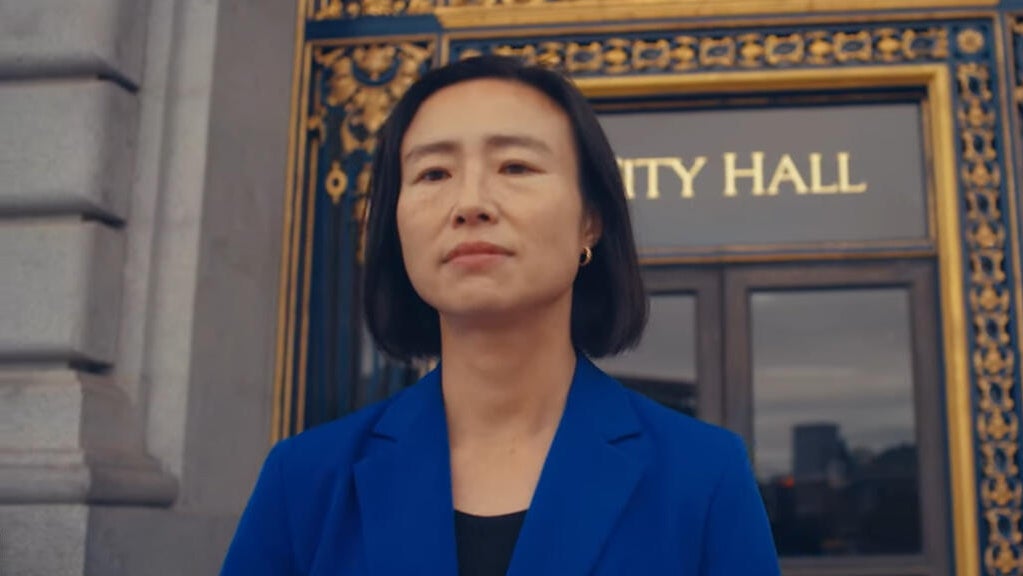
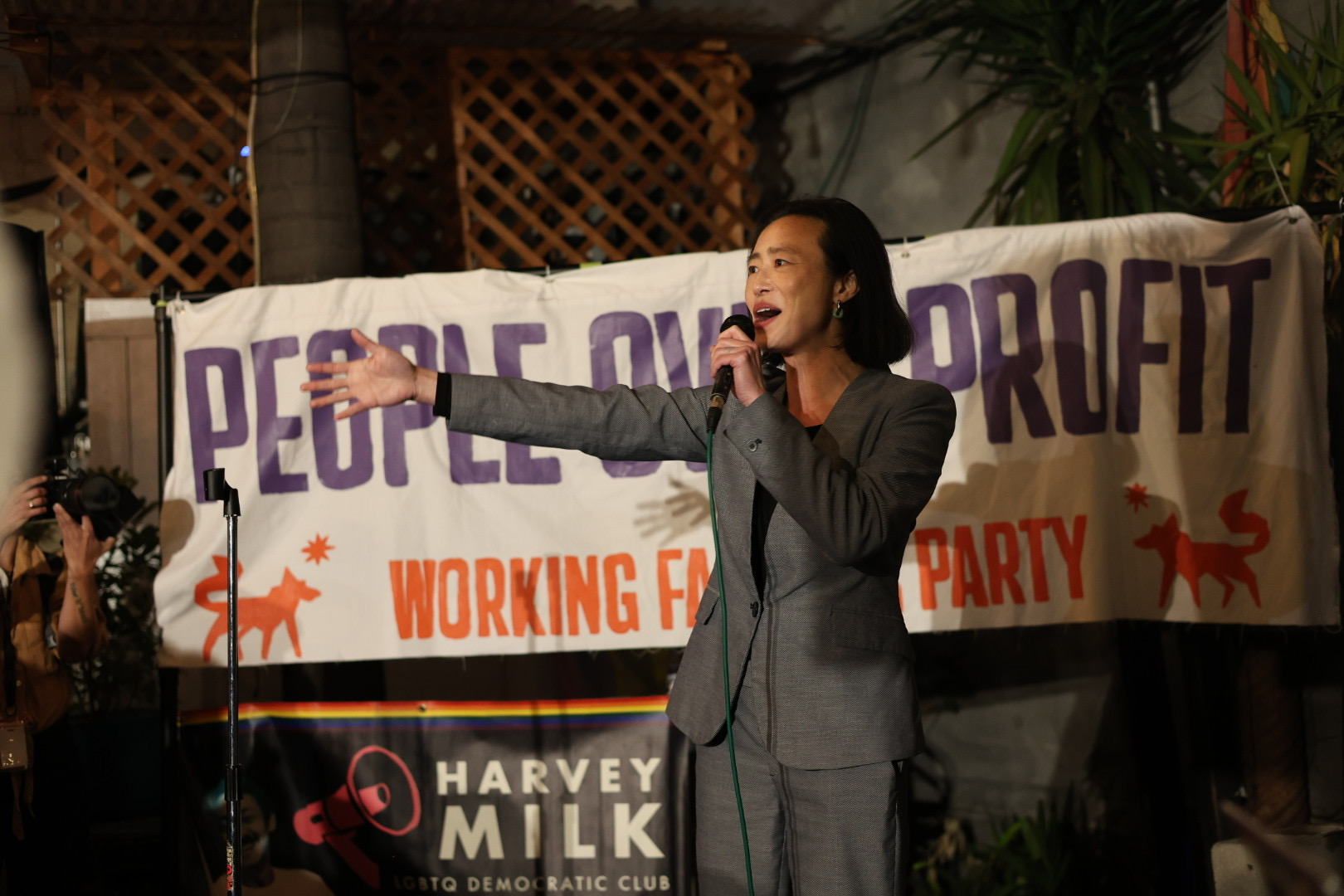
Chan’s victory over Chakrabarti, a self-funded tech executive and former aide to Rep. Alexandria Ocasio-Cortez, was framed as a rejection of outsider wealth in politics. At a raucous election-night rally in the Mission District, Chan taunted her rival’s $10 million spending spree with a defiant “San Franciscans! How does it feel to beat $10 million?!” The crowd roared back, “We’re coming for you!”—a line Chan repeated as she declared the night a turning point for progressive movements nationwide.
Chakrabarti, who had framed his campaign as a grassroots challenge to Pelosi’s political machine, acknowledged the setback with characteristic bravado. At his own election-night event, he told supporters, “it was just a couple of us who had the crazy idea of challenging Nancy Pelosi. Who does that?” The remark underscored the long odds of unseating Pelosi’s chosen successor—but also hinted at a broader frustration with establishment politics. Analysts noted that Chakrabarti’s base, energized by his progressive rhetoric, may now rally behind Chan, potentially narrowing Wiener’s lead.
The Numbers: Wiener’s Lead—But Chan’s Momentum
As of the final vote count, Wiener’s 41.3% placed him firmly ahead, but the race is far from over. Chan’s 28.6%—combined with Chakrabarti’s 14.9%—creates a mathematical path for her to overtake him in November if progressive voters unite. Early projections suggest Chan and Chakrabarti together have already surpassed Wiener’s total in some precincts, with Chan gaining ground in each new vote drop. David Ho, a strategist backing Chan, told reporters, “If you add up Saikat’s votes and Connie’s, it might be more than Scott’s at the end of the day, and I think this will grow.”
Wiener, however, remains the favorite among moderate donors and institutional Democrats. His campaign emphasized “bold leadership” and a “forward-thinking vision”, contrasting Chan’s record as a supervisor known more for opposition than governance. Yet Chan’s ability to rally progressive voters—including those who backed Chakrabarti—could reshape the race. The question now is whether Wiener’s establishment appeal or Chan’s grassroots energy will resonate more in November.
What’s Next: A General Election with High Stakes
The general election on November 3, 2026, will hinge on three key factors: voter consolidation, fundraising, and the national context. Chan’s campaign has already positioned her as the progressive standard-bearer, while Wiener’s team is betting on his experience and Pelosi’s endorsement. But with Chakrabarti’s supporters still undecided, the next 12 weeks will be critical. Chan’s victory over Chakrabarti suggests her ability to mobilize progressive voters—but whether that energy translates to a general-election win remains uncertain.
One wildcard is the national political climate. If Democrats face headwinds in the midterms, Wiener’s establishment ties could become an asset. But if progressive energy surges—fueled by opposition to Trump or issues like housing affordability—Chan’s message could dominate. Meanwhile, Pelosi’s influence remains a factor. Though she endorsed Chan, her retirement leaves a leadership vacuum in the California delegation, and her successor will play a pivotal role in shaping the party’s future.
The Bigger Picture: San Francisco’s Shift Left
Beyond the race itself, the primary results reflect deeper shifts in San Francisco’s political landscape. The city’s progressive base, long frustrated by Pelosi’s centrist record, is now demanding a more radical agenda. Chan’s victory over Chakrabarti—despite his progressive bona fides—suggests that wealth and establishment ties are increasingly toxic to voters. As Chan declared, “We need a new generation of candidates powered by people and go to D.C. and not just fight Trump but build a society that works for everybody, not just the richest few.” Her campaign has framed the election as a choice between corporate-backed politics and a movement-driven alternative.
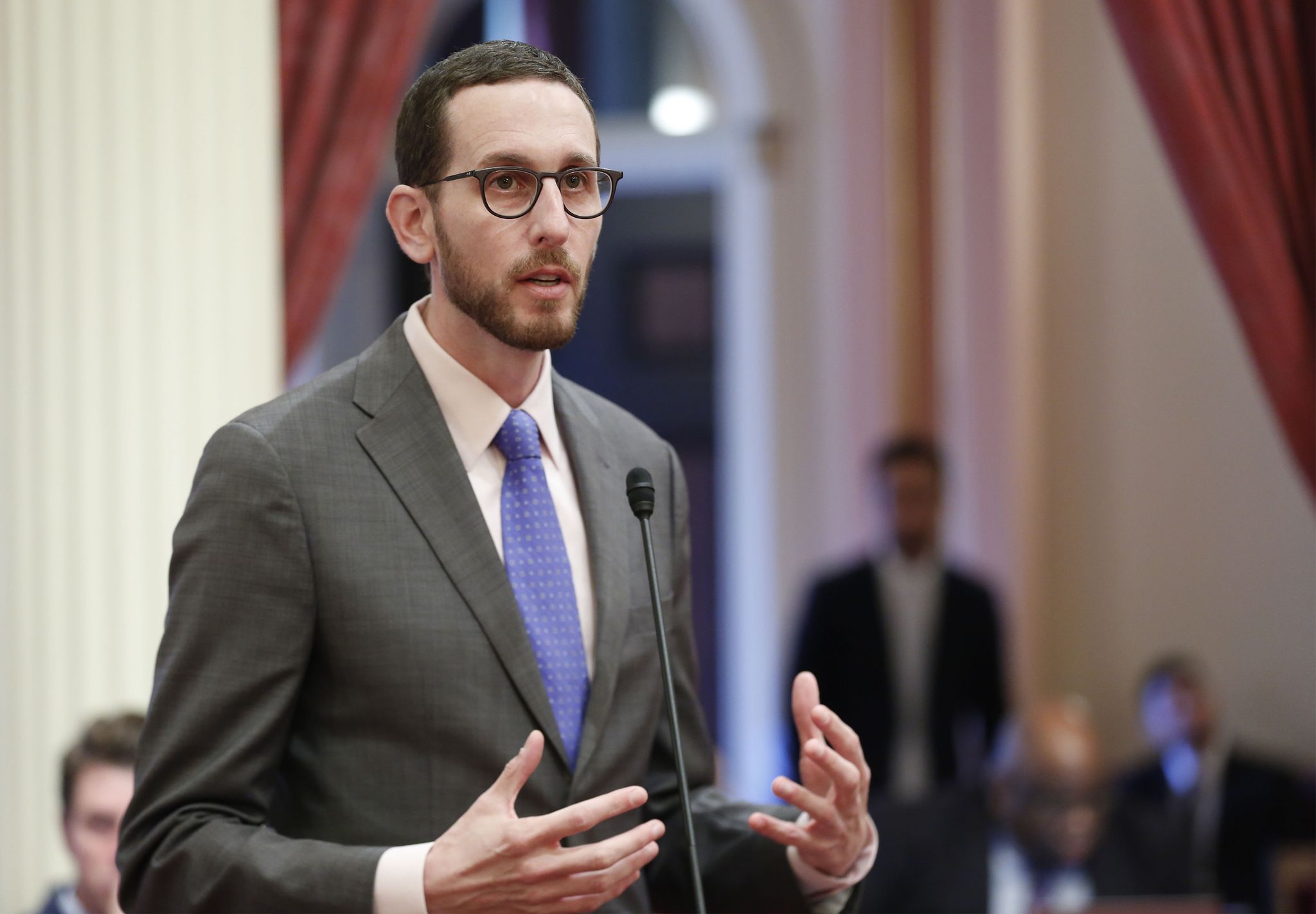
Wiener, for his part, has avoided direct attacks on Chan, instead emphasizing his legislative record. But his campaign’s focus on “real results” risks sounding out of touch in a city where symbolic progressive stances often outweigh policy achievements. The contrast between the two candidates—one a career politician, the other a community organizer—could define the race. If Chan succeeds in uniting progressives, she may not only win the seat but also signal a broader realignment in California politics.
The next three months will determine whether this race is merely a succession battle or the beginning of a new era for San Francisco’s representation in Congress.
Sources: ABC7 Bay Area, SFGATE, <a href="https://missionlocal.
<!– /wp:paragraph The outcome of this closely contested election will likely have significant implications for California's progressive politics, where the margin of victory could determine a shift in party dominance in the state.