
“Switzerland’s population cap referendum, scheduled for June 13, 2026, has divided the nation over immigration policy, with the right-wing SVP party pushing to limit growth to 10 million by 2050, while businesses and the government warn of economic and diplomatic risks.”https://www.cnbc.com/2026/06/13/switzerland-population-cap-referendum-immigration.html
The SVP’s Populist Push

The Swiss People’s Party (SVP), the country’s largest political force, has framed its population cap initiative as a response to “overwhelming” growth, arguing that unchecked immigration strains public services and wages. The proposal, which requires a majority vote to pass, would impose strict limits on family reunification, asylum, and residency permits if the population exceeds 9.5 million. A “yes” vote would also force Switzerland to reconsider its 2002 free movement agreement with the EU, a cornerstone of its economic ties.
SVP lawmaker Piero Marchesi, a key advocate, claimed that population growth has “caused problems for public services, wages, the price of rent, education, and the labor market.” The party’s campaign message, “Breaking with Europe now of all times? NO on the SVP-Chaos-Initiative,” reflects its anti-EU stance, though it insists the policy is not anti-immigration but “moderate and controlled.”https://www.cnbc.com/2026/06/13/switzerland-population-cap-referendum-immigration.html
Economic Concerns and Business Opposition
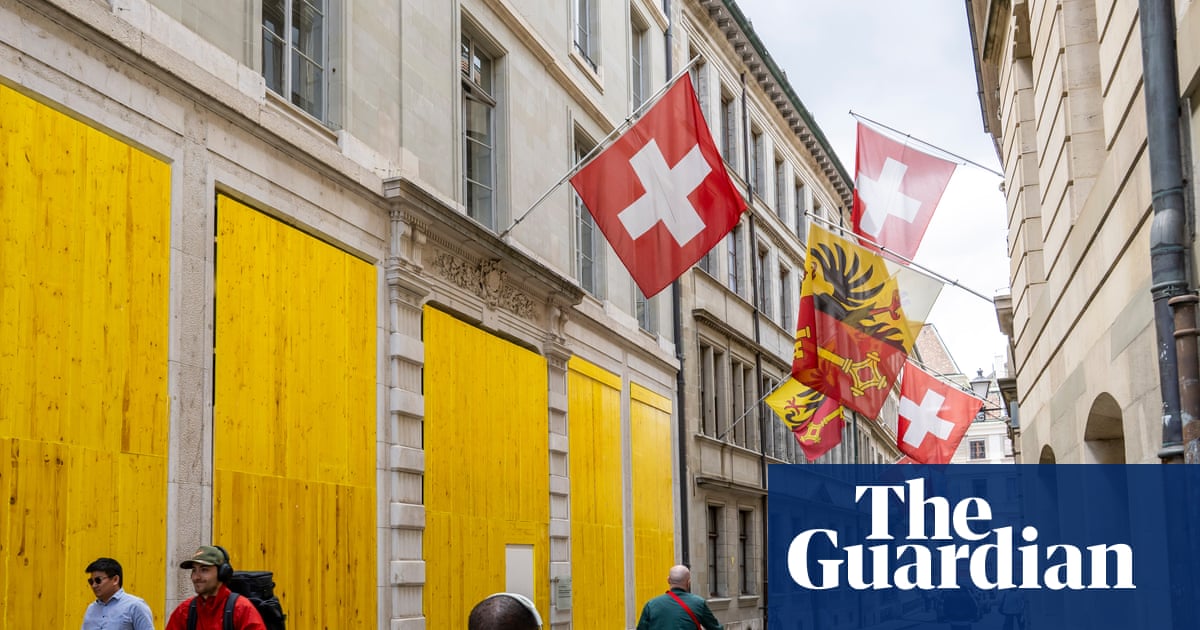
Switzerland’s business community, including trade body Economiesuisse, has overwhelmingly opposed the initiative, warning of “devastating consequences” for the economy. Chief Economist Rudolf Minsch called the proposal a “populist attempt to fix complex problems with a simplistic artificial cap,” arguing it would undermine the country’s competitive edge. Companies like Roche and Google, members of Economiesuisse, fear restrictions on immigration would hinder access to global talent, a critical factor in Switzerland’s innovation-driven economy.
The Swiss government and all major political parties have labeled the initiative a “chaos plan,” citing risks to healthcare, hospitality, and cross-border labor. The BBC reported that critics argue the measure would “deprive hospitals and hotels of much needed staff,” while also damaging Switzerland’s “hard-won relations with the European Union.”https://www.bbc.com/news/articles/cx23kz7e76po
Demographic Pressures and Political Divides
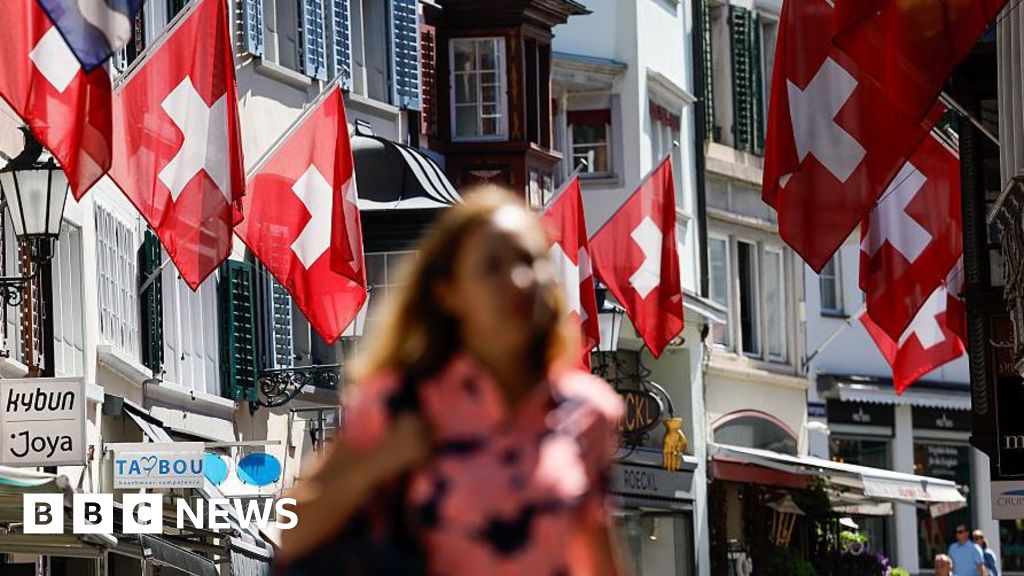
Switzerland’s population has grown 23% since 2002, outpacing EU neighbors, with 41% of residents having a “migration background” and 16% of the population comprising EU citizens. The aging population, with those over 65 set to rise from 21% to 27% by 2055, has intensified debates over sustainability. Philippe Wanner, a demography expert at the University of Geneva, noted that while no country has ever capped its population, Switzerland’s model of free movement has been vital for addressing labor shortages.
The referendum has exposed deep political divides. While the SVP claims to represent “the Swiss way of life,” opponents argue the policy ignores the realities of an interconnected global economy. “We must not take this for granted; it was created through a lot of hard work and through a willingness to drive reforms,” one official said, referencing Switzerland’s decades-long commitment to openness.https://www.theguardian.com/world/2026/jun/13/swiss-wait-to-hear-result-of-ballot-on-capping-population-at-10-million
What Happens Next?
If the referendum passes, the Federal Council would face a daunting task: balancing demographic pressures with economic imperatives. The SVP’s Thomas Matter dismissed concerns as “scaremongering,” insisting the policy would “protect the Swiss way of life.” However, economists warn that restricting immigration could exacerbate labor shortages, particularly in sectors reliant on EU workers.
The outcome will also test Switzerland’s unique system of direct democracy, where popular initiatives can override parliamentary decisions. With 52% of voters reportedly opposing the measure, the result remains uncertain. A “no” vote would preserve Switzerland’s current approach, but the debate over immigration’s role in the nation’s future is far from over.https://www.theguardian.com/world/2026/jun/13/swiss-wait-to-hear-result-of-ballot-on-capping-population-at-10-million
Historical Context and Global Comparisons
Switzerland’s referendum stands out in a global context where immigration policies vary widely. Unlike China’s historical one-child policy, the SVP’s proposal is not a birth control measure but a population cap. Experts note that while many European nations have tightened immigration controls, none have explicitly sought to limit population size.
The vote also reflects broader trends in European politics, where right-wing parties have capitalized on fears over cultural and economic shifts. However, Switzerland’s economic model—rooted in openness and innovation—poses a unique challenge to such policies.
Find more reporting in our World section.

