
Molecular Mechanism Halts Virulence in Diarrheal Pathogen
A newly discovered mechanism controlling virulence in Shigella flexneri, a bacterium causing diarrheal disease, could pave the way for novel therapeutic interventions, researchers report. Understanding how this pathogen regulates its ability to cause illness outside of the human host is crucial in the fight against infectious diseases. This discovery offers a new target for disrupting the infection cycle and reducing disease severity.
Study Findings
The research, published in Nature Communications, centers on a protein called VirB, a key regulator of virulence in Shigella flexneri. Scientists found that VirB utilizes cytidine triphosphate (CTP) – a nucleotide involved in RNA synthesis – as a cofactor to activate virulence genes. Notably, VirB doesn’t simply alter gene expression; it acts as a “molecular switch,” clamping onto DNA and sliding along it to control which genes are turned on or off.
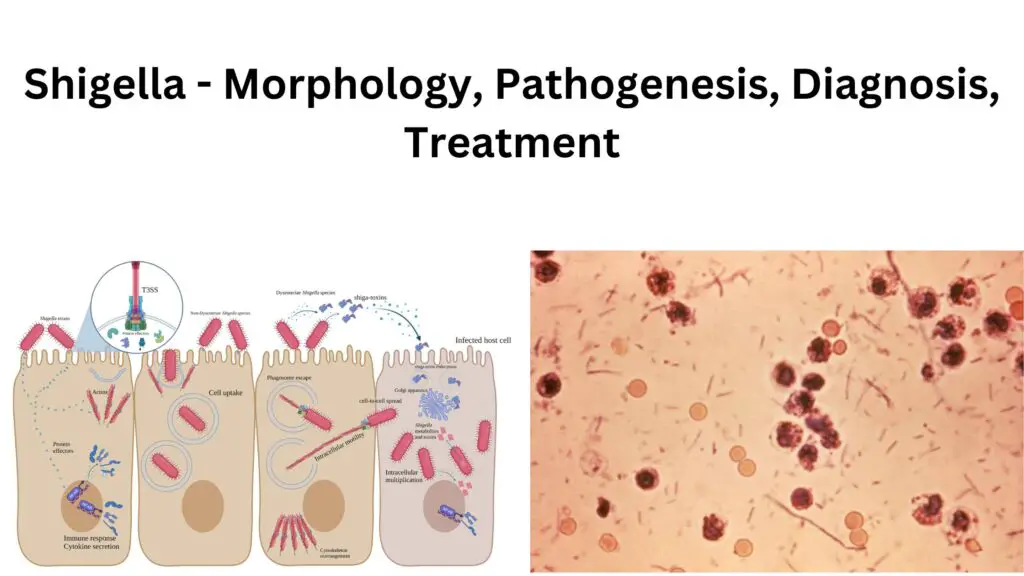
Shigella flexneri invades the epithelial lining of the intestinal tract, causing shigellosis, a major cause of diarrheal mortality worldwide. The bacterium employs a Type III secretion system to inject effector proteins into host cells, facilitating infection. VirB plays a critical role in orchestrating this process by counteracting the silencing effects of a protein called H-NS, which normally keeps virulence genes in check. Mutations in VirB lead to a significant loss of virulence, highlighting its importance.
The study revealed that VirB binds to specific DNA sequences, termed ‘virS’ sites, and requires CTP for efficient loading and function. Experiments showed that disrupting CTP binding abolishes VirB’s ability to form complexes with DNA and dramatically reduces virulence gene expression. The researchers demonstrated that VirB functions as a CTP-dependent DNA clamp, sliding along DNA after ‘clamp closure’ to activate gene expression.
Expert Commentary
“This is a fascinating insight into how Shigella regulates its virulence,” says Dr. Stephan Gruber, lead author of the study. “The discovery that VirB uses CTP as a cofactor and functions as a DNA clamp presents a completely new perspective on bacterial gene regulation. It’s not just about binding to DNA; it’s about a dynamic process of loading, clamping, and sliding.”
According to the World Health Organization, shigellosis affects an estimated 85 million people each year, leading to approximately 70,000 deaths, primarily among children in low-income countries. The bacterium’s ability to adapt and evade the host immune system makes it a significant public health challenge.
Public-Health Implications
The findings have several potential public-health implications. Firstly, the identification of CTP as a crucial cofactor for VirB activity opens up possibilities for developing novel anti-virulence drugs. Targeting CTP binding or the clamping mechanism could disrupt the infection process without necessarily killing the bacteria, potentially reducing the risk of antibiotic resistance. Secondly, a deeper understanding of the molecular mechanisms governing Shigella virulence could aid in the development of more effective vaccines.
The study also highlights the importance of considering the cellular microenvironment in bacterial pathogenesis. The availability of CTP and other nucleotides within host cells likely influences VirB activity and, consequently, the severity of infection. Further research is needed to explore how these factors interact and contribute to disease progression.
Next Steps in Research
Researchers are now focused on identifying compounds that can specifically inhibit VirB’s CTP binding or clamping activity. They are also investigating how the availability of CTP varies within different host tissues and how this impacts Shigella infection. Additionally, efforts are underway to determine whether similar mechanisms are employed by other bacterial pathogens, potentially broadening the scope of this discovery.
Further investigation will also focus on the interplay between VirB and the host immune response. Understanding how the host cells recognize and respond to VirB-mediated gene activation could reveal new strategies for bolstering the immune system and preventing infection. Read more on Globally Pulse Health.
