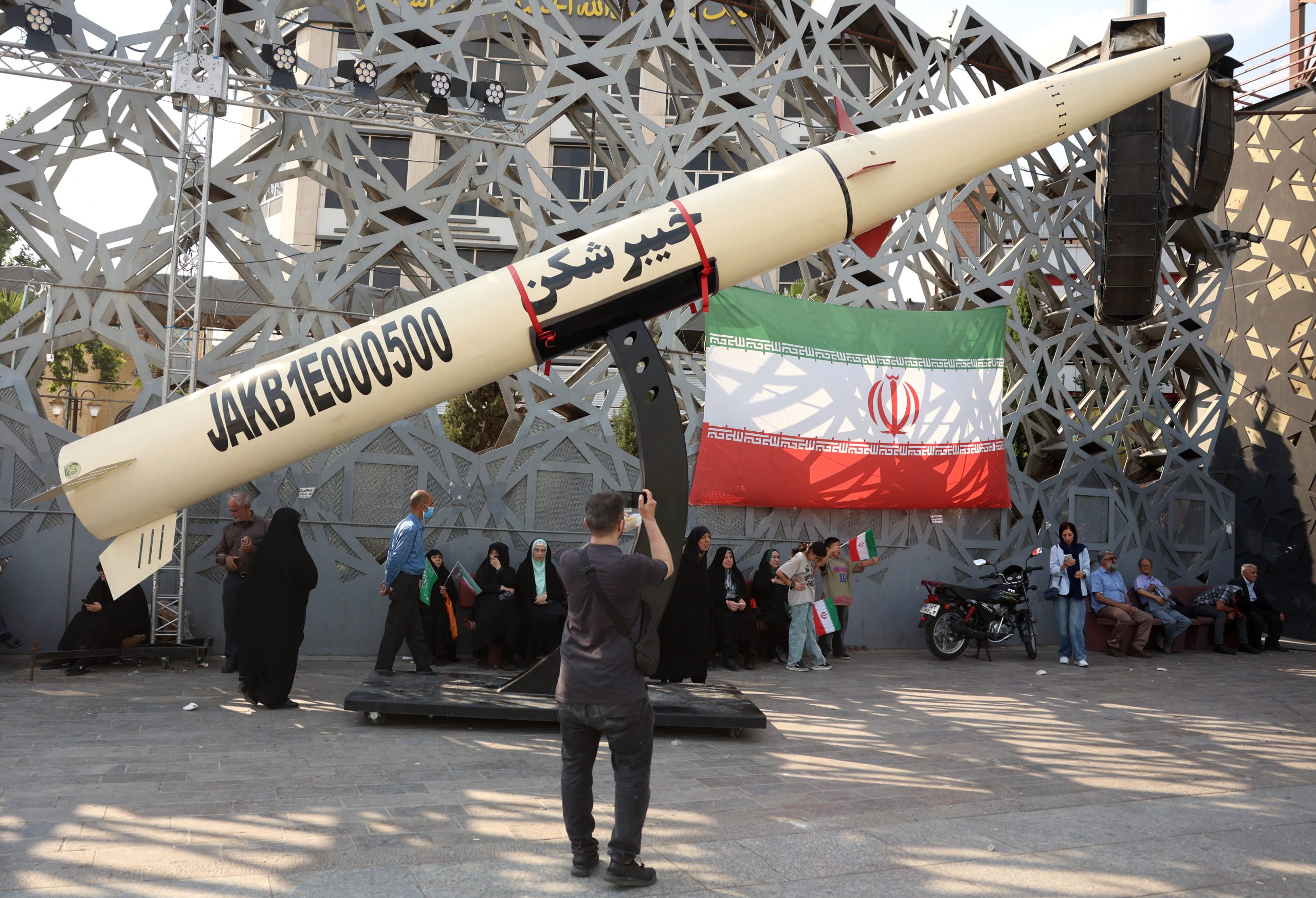
A barrage of Iranian missiles struck northern Israel for the first time since a fragile ceasefire took hold in April, shattering hopes of a diplomatic breakthrough and forcing President Donald Trump into a high-stakes gamble with Tehran. The attack—confirmed by the Israeli Defence Forces and reported by CNBC—followed a weekend of escalating violence in Lebanon, where Israel struck Hezbollah targets after rockets hit Israeli communities. With Trump warning Iran “certainly not going to help negotiations” and Netanyahu’s government demanding retaliation, the region teeters on the brink of all-out war.
Why Iran struck: The ceasefire’s unspoken conditions
The Iranian missile barrage—targeting Israel’s Ramat David air base, according to the Revolutionary Guard Corps—was framed as a “warning” rather than an escalation. Iranian Parliamentary Speaker Mohammad Bagher Ghalibaf had already accused the U.S. of violating the ceasefire by maintaining a “naval blockade and violation of agreements regarding Lebanon,” posting on X that these actions turned “American and regime bases and assets in the region into legitimate targets.” The ceasefire, Iran insisted in a statement to The New York Times, was “conditional on a cease-fire on all fronts”—a demand Israel and the U.S. have repeatedly ignored.
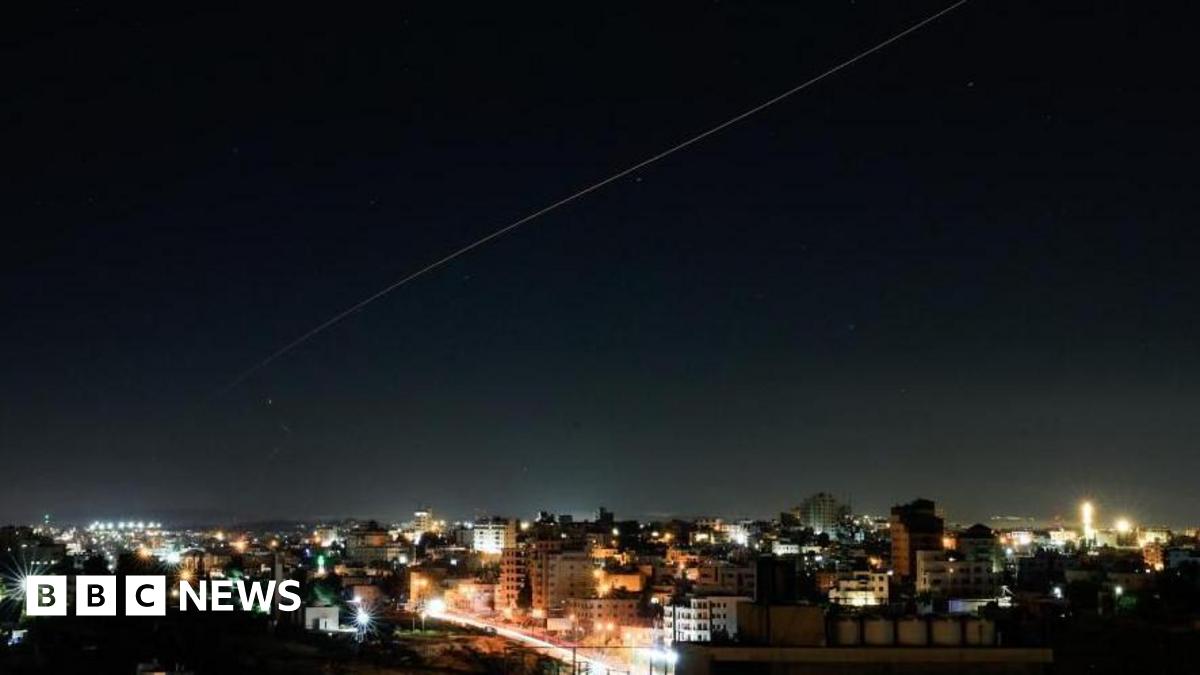
The timing of the strike—just hours after Israel bombed Hezbollah command centers in Beirut’s southern suburbs—suggests Tehran calculated that limited retaliation would force Washington to choose between its ally and its nuclear talks. But the move backfired: Trump, who had privately urged Netanyahu to avoid a direct response, now faces pressure to prove U.S. deterrence. A White House official told MS NOW that Trump’s negotiations with Iran had exposed a “fundamental miscalculation”—Iran’s willingness to restart hostilities despite Trump’s overtures. The official added that Iran’s “erratic behavior” had left the president with “no imminent off-ramp.”
“Tonight’s operation was a warning, and if aggressions are repeated, the responses will be broader.”
The Lebanese flashpoint: How Beirut became the war’s pressure valve
Beirut’s role in the escalation reveals the ceasefire’s fragility. While Israel has avoided direct strikes on the Lebanese capital—partly due to U.S. pressure—the southern suburbs have become a proxy battleground. On Sunday, Israel targeted Hezbollah’s Dahiyeh district after rockets hit northern Israel, Haaretz reported, in what officials framed as a “final loss of patience.” The strike—captured on video showing damaged apartment buildings and wounded civilians—marked a shift from Israel’s previous restraint. A BBC correspondent in Beirut described the scene as “heavy damage, people rushing the wounded to hospital,” with the IDF warning via X that “more was to come.”

For more on this story, see US Launches Fresh Strikes on Iran Amid Doha Nuclear Talks.
The contrast with southern Lebanon—where daily Israeli airstrikes and ground operations have intensified—highlights the political calculus at play. Beirut’s relative sparing was partly due to U.S. leverage, but that restraint evaporated after Hezbollah’s cross-border rocket fire. Israeli National Security Minister Itamar Ben-Gvir’s vow that “Tehran must burn tonight” underscored the hardening stance in Jerusalem. Yet the attack risks isolating Iran further: even hardliners like Ghalibaf may now face pressure to de-escalate, as Trump’s warning to Iran—”You’ve shot your missiles, that’s enough”—suggests the U.S. is willing to impose costs.
Trump’s tightrope: Can he still broker a deal?
Trump’s public posture masks a private crisis. Sources close to the negotiations told CNBC that an Iranian official had already ruled out a deal with Trump, blaming him for the Lebanon situation. Yet Trump’s phone call with Netanyahu—where he reportedly urged restraint—reveals his dilemma: he cannot afford to appear weak to Iran, but a full-scale Israeli retaliation could derail his diplomatic gambit. His remark to the Financial Times that Netanyahu “won’t have any choice” but to accept a U.S.-negotiated deal underscores the power imbalance. Yet Iran’s missile strike may have just made that deal impossible.
The stakes are clear: if Iran perceives Trump’s leverage as waning, it may push harder for concessions. But if Israel retaliates, the window for diplomacy could close entirely. The ceasefire’s collapse would leave the U.S. with two bad options: either accept Iran’s nuclear advances or risk a wider regional war. As one White House official put it, Iran’s “erratic behavior” has left Trump with “no imminent off-ramp”—a phrase that now feels prophetic.
What happens next: Three possible trajectories
- Limited Israeli retaliation: Israel could target Iranian assets in Syria or Iraq (as it did in April 2024) to signal deterrence without provoking a broader war. This would test whether Iran’s “warning” was a one-time strike or the start of a campaign.
- Full-scale escalation: If Israel strikes Iranian territory or Revolutionary Guard facilities, Iran could respond with direct attacks on Israeli cities—escalating the conflict beyond Lebanon. Hezbollah’s involvement would make containment nearly impossible.
- Diplomatic freeze: Both sides could declare a “pause” to regroup, but the ceasefire’s credibility would be shattered. Trump’s leverage would evaporate, and Iran’s nuclear program could advance unchecked.
The most likely outcome? A mix of the first two. Israel will almost certainly retaliate, but not on the scale that would trigger a full Iranian response. The question is whether Trump can use the moment to force Iran back to the table—or if the missile strike has already made that impossible. One thing is certain: the ceasefire is dead. What replaces it will determine whether this summer’s violence becomes a regional conflagration or a temporary lull before the next round.

This follows our earlier report, Russia Launches Heaviest Drone and Missile Barrage Since 2022, Kyiv Under Attack.
The bigger picture: Why this matters for nuclear talks
The missile strike isn’t just about Lebanon or Israel—it’s about Iran’s nuclear ambitions. The ceasefire was always a sideshow to the real negotiation: Iran’s demand for sanctions relief in exchange for curbing its uranium enrichment. By violating the ceasefire’s “all fronts” condition, Iran has exposed the U.S.’s weakness: without a credible threat of force, Trump’s promises mean little. The Revolutionary Guard’s statement—”if aggressions are repeated, the responses will be broader”—suggests Iran is testing how far it can push without triggering a U.S. military response.
For Trump, the dilemma is stark. A deal with Iran would be a political win, but only if it includes real concessions on nuclear material. If he backs down now, hardliners in Tehran will see weakness. If he escalates, he risks war. The missile strike has given him a choice: double down on diplomacy or accept that the window for a deal may have closed. Either way, the region is closer to conflict than it has been since April.
The next 72 hours will be critical. If Israel responds with precision strikes and Iran does not escalate, the U.S. might salvage some face. But if the cycle of retaliation continues, the ceasefire’s collapse could become permanent. One thing is already clear: the era of quiet diplomacy is over. The question is whether anyone in Washington or Tehran is willing to pay the price for peace.
