
On May 28, 2026, the Trump administration’s proposed policy requiring green card applicants to apply from their home countries instead of the U.S. sparked immediate backlash from immigrants, attorneys, and advocacy groups, with critics calling it a “scare tactic” to deter legal immigration. The shift, outlined in a draft policy memorandum, would force individuals like a hypothetical British student married to an American citizen to leave the U.S. to pursue permanent residency, disrupting families and creating uncertainty for hundreds of thousands of applicants annually. The policy, which the administration claims is a clarification of existing rules, faces legal challenges and questions about its implementation.
Policy Details and Legal Challenges
The proposed rule, first reported by The Conversation, would reverse decades of practice allowing immigrants to adjust their status within the U.S. under the “adjustment of status” process. Under the new guidance, individuals who entered the country on nonimmigrant visas—such as students or temporary workers—would generally be expected to apply for green cards from their home countries, unless they meet “extraordinary circumstances.” This shift, the article notes, would require congressional action or formal rule-making, as a single policy memo cannot unilaterally eliminate an established legal pathway.
U.S. Citizenship and Immigration Services (USCIS) clarified in a statement to the AP that the change would not block “legitimately and properly” qualified applicants but would “result in some people having to apply overseas.” However, the policy’s ambiguity has left many in limbo. “It has a chilling effect because we have some cases that we were going to proceed and I can tell already, we should wait and see what’s going on,” said immigration attorney Flavia Santos Lloyd, per AP News.
Reactions from Attorneys and Advocates
Immigration attorneys and advocates have condemned the policy as an attempt to “limit and scare people away from the legal immigration process,” according to Charles Kuck, a lawyer quoted in the AP article. “This is a scare tactic,” he said, warning of potential legal battles. The American Immigration Lawyers Association (AILA) has also criticized the move, arguing it would create unnecessary delays and strain the already backlogged green card system.
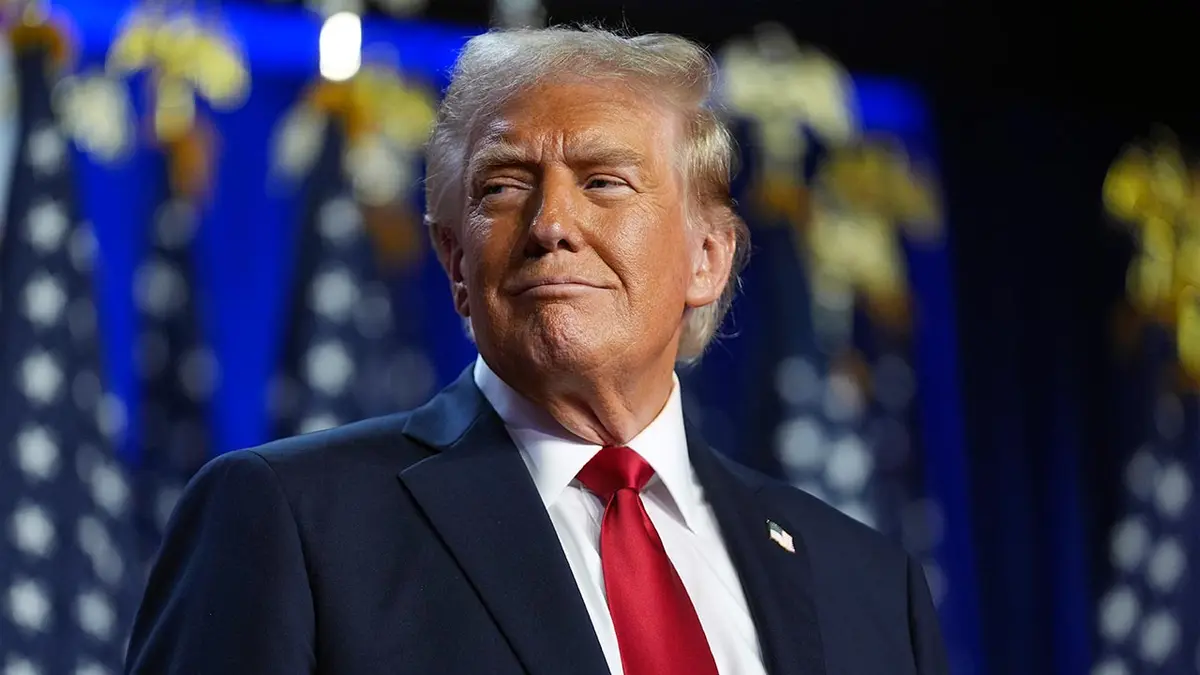
The policy’s abrupt announcement has raised questions about its legality. The Conversation highlights that Congress codified “adjustment of status” into immigration law, and a single agency memo cannot override that framework. “A policy memo cannot cut off that avenue,” the article states, emphasizing that the change would need formal rule-making to take effect. However, the Trump administration has historically used executive actions to reshape immigration policy, and the new guidance could signal a broader effort to restrict legal pathways.
Impact on Immigrant Families and Employers
The policy’s most immediate impact would be on families like the hypothetical “Lucy” described in The Conversation, a British student married to an American engineer. Under the new rules, Lucy would have to leave the U.S. to apply for a green card, risking separation from her spouse and potential inadmissibility upon return. Such scenarios are not hypothetical: In fiscal year 2023, 54% of the 1.17 million new lawful permanent residents obtained their green cards from within the U.S., according to the article. This includes individuals married to citizens, workers on H-1B visas, and refugees, all of whom could face disruptions.
Employers, too, face uncertainty. Companies relying on temporary workers to transition to permanent residency may now face longer timelines and higher costs. “The confusion is already slowing down applications,” said Lloyd, who added that clients are hesitating to file pending further clarification. The policy’s “extraordinary circumstances” exception—vague and untested—has left applicants and attorneys speculating about what qualifies, with some fearing it could be used selectively to deny applications.
Historical Context and Broader Implications
The proposed rule fits into the Trump administration’s broader strategy to tighten immigration controls, shifting focus from border enforcement to legal pathways. Since 2023, the administration has rolled out measures targeting asylum seekers and work visas, framing them as necessary to “secure the border.” This latest move, however, marks a significant escalation, as it directly challenges the long-standing practice of adjustment of status.
Legal experts caution that the policy could face court challenges. “This is simply an attempt to limit and scare people away from the legal immigration process,” Kuck said, suggesting that lawsuits may argue the rule violates statutory protections for lawful permanent residents. The Department of Homeland Security has not yet provided a timeline for finalizing the policy, leaving the immigration community in limbo.
For now, the policy’s fate remains uncertain. While the administration insists it is a “clarification,” critics argue it represents a fundamental shift in how the U.S. approaches legal immigration. As one attorney put it, “The real question is whether this is a temporary disruption or the beginning of a broader crackdown.” The coming weeks will determine whether the rule survives legal scrutiny or is scaled back in response to mounting pressure.
