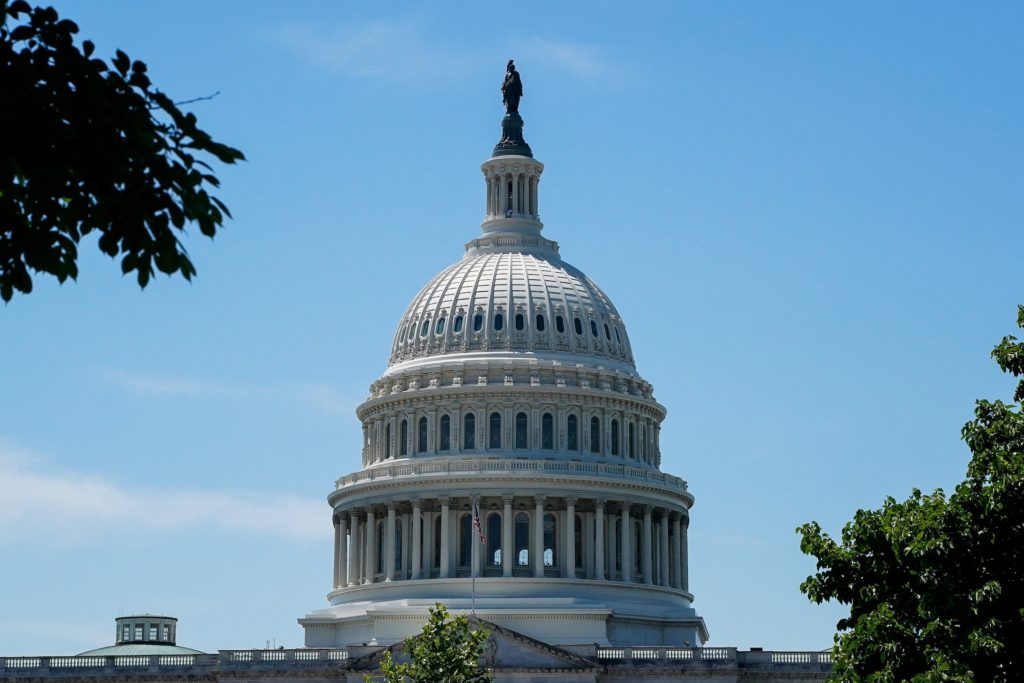
A $1.776 billion “anti-weaponization” fund proposed by the Trump administration has triggered a full-blown standoff in Congress, forcing Senate Republicans to abandon their immigration enforcement funding bill and leaving key agencies without funding by the June 1 deadline. The fund—part of a settlement over Trump’s IRS lawsuit—has sparked outrage among GOP senators, who warn it could reward Jan. 6 rioters and destabilize their fragile majority ahead of the midterms.
What the Fund Actually Does—and Why It’s So Controversial
The fund, established as part of a settlement in Trump’s lawsuit against the IRS, aims to compensate individuals who claim the legal system has been “weaponized” against them. But the details are murky: A judge temporarily blocked payouts last week, and Republicans are demanding guardrails to prevent payments to those who assaulted police during the January 6 Capitol riot. According to PBS, some Trump allies and rioters have already expressed interest in filing claims.
The fund’s origins trace back to a 2022 lawsuit filed by Trump against the IRS, alleging political targeting in audits of his businesses and personal finances. In a 2023 settlement agreement—finalized without court approval—a $833 million payment was made to Trump’s legal team, with the remaining $943 million allocated to the “anti-weaponization” fund. Court records obtained by The Washington Post show the fund’s language allows claims from individuals who believe they were “harassed, intimidated, or retaliated against” by government agencies, including the DOJ, FBI, and IRS. The broad definition has alarmed legal experts, who warn it could open the door to frivolous lawsuits.
Last week, U.S. District Judge Amit Mehta temporarily halted payouts after Trump’s legal team failed to submit required documentation to the court. The judge’s order, first reported by Politico, cited “serious concerns” about the fund’s administration, including whether it complies with the settlement’s terms. Meanwhile, the White House has refused to provide Congress with a full accounting of how claims will be processed, deepening skepticism among lawmakers.
Senate Judiciary Committee Chairman Dick Durbin (D-IL) released a statement calling the fund a “slush fund for political grievances,” citing internal IRS whistleblower reports that detail how the agency targeted Trump’s allies, including Steve Bannon and Peter Navarro. “This isn’t about justice—it’s about rewarding political persecution,” Durbin said in a floor speech. His office shared excerpts from a 2022 IRS memo obtained under FOIA, where an unnamed agent described Trump’s legal team as “aggressively litigious” and suggested the IRS could use audits to “deter future misconduct.”
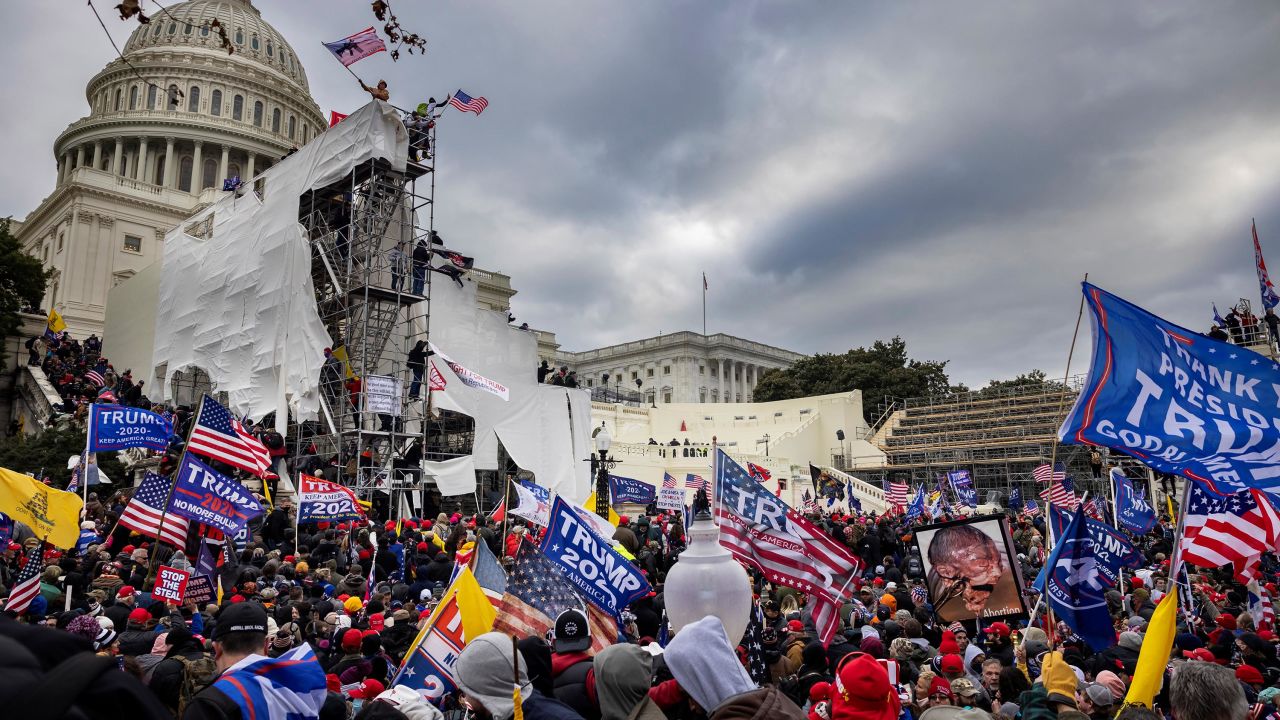
Among the early claimants are several figures linked to the January 6 Capitol riot. Court filings from a separate lawsuit involving rioter Jacob Chansley—who was convicted of assaulting police—reveal he has consulted with attorneys about pursuing compensation under the fund. A source close to Chansley’s legal team told The New York Times that they believe his case fits the fund’s criteria, as he claims the DOJ and FBI “weaponized” the legal system against him. Similarly, former Trump aide Roger Stone, who was sentenced to prison for witness tampering, has hinted in interviews with Fox News that he may file a claim, arguing his prosecution was politically motivated.
The timing couldn’t be worse. With the Senate set to reconvene Monday, June 1, the White House and GOP leaders are scrambling to resolve the impasse before Trump’s immigration enforcement agencies—including Customs and Border Protection—run out of funds. The administration has shown little flexibility, leaving Senate Majority Leader John Thune to warn that “the settlement money just makes everything way harder than it should be.”
CBP Commissioner Chris Magnus, in a closed-door briefing with Senate Appropriations Chairman Patrick Leahy (D-VT), described the funding gap as a “national security crisis.” According to internal CBP documents obtained by The Hill, the agency has already furloughed 1,200 officers and delayed critical infrastructure projects, including new border wall construction in Texas. “We’re at a breaking point,” Magnus told lawmakers. “If this fund derails the bill, we’ll have no choice but to implement further cuts.”
The Senate Revolt: How the Fund Split the GOP
The fund’s announcement at the eleventh hour derailed Senate Republicans’ plans to pass a $72 billion immigration enforcement package through budget reconciliation. As CBS News reported, the fund’s inclusion triggered a rare backlash among GOP senators, with some calling it “one of the roughest meetings I’ve seen in my entire time in the Senate.” Sen. Ted Cruz (R-TX) led the charge, releasing a statement that read: “This fund is a direct attack on the rule of law and a reward for those who broke it.”
Cruz’s opposition has been particularly vocal, as he was one of the few GOP senators to vote against certifying the 2020 election results—a decision that drew direct threats from rioters during the Capitol attack. In a private meeting with Senate Republicans, Cruz shared text messages obtained from rioters who referenced his role in the election certification process, according to a source familiar with the discussion. “They said they were coming for me,” Cruz told colleagues. “Now, this fund could put money in their pockets.”
Even Trump loyalists like Sens. Bill Cassidy (R-LA) and John Cornyn (R-TX)—who lost their reelection bids after Trump endorsed their primary opponents—have grown skeptical of the president’s priorities. Cassidy, in an interview with Fox News, called the fund “a distraction from the real work we need to do on the border.” Cornyn, who has been quietly advising Trump on legal strategy, told The Wall Street Journal that the fund’s inclusion in the budget bill was “a mistake that could cost us the Senate.”
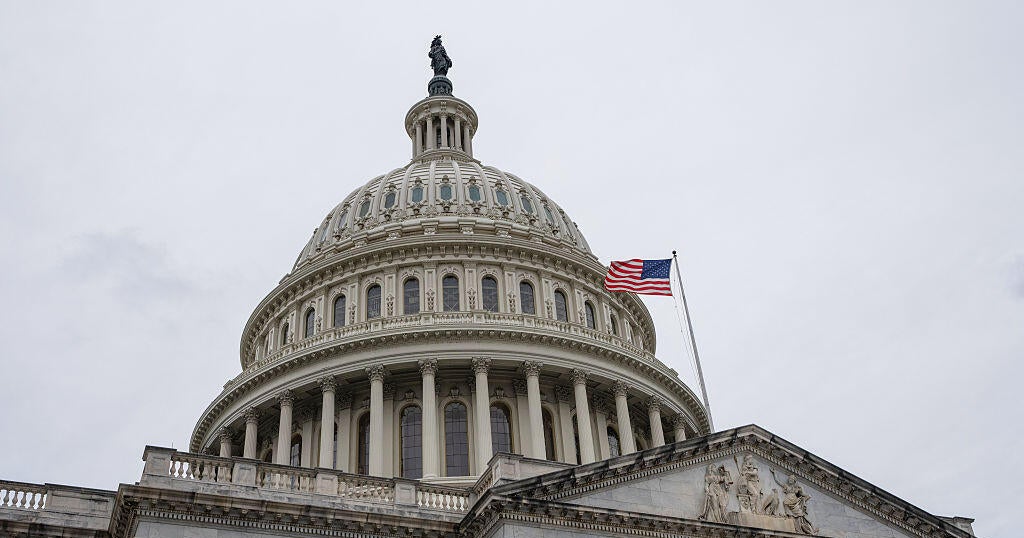
The fund’s potential to reward rioters has become a political third rail. Former Vice President Mike Pence, a target of the January 6 attackers, told CBS’s Face the Nation on Sunday that he hopes the administration will scrap the fund entirely. “I’ve been heartened by the number of Republicans in the Senate who have spoken out against it,” Pence said. “But we need more than words—we need action.”
Senate Minority Leader Chuck Schumer (D-NY) has vowed to force votes on amendments to block or scale back the fund, framing it as a “coordinated effort to kill the slush fund before one cent goes out the door.” In a letter to colleagues, Schumer cited a ProPublica investigation revealing that at least 12 Capitol rioters have already retained lawyers to explore claims under the fund. “This isn’t about justice—it’s about lining the pockets of those who tried to overturn an election,” Schumer wrote. His office shared internal DOJ records showing that several rioters have been in contact with attorneys linked to Trump’s legal team, including Rudolph Giuliani’s former associate, Sidney Powell.
The White House’s Unwillingness to Compromise
Trump’s indifference to the fallout has deepened the crisis. When asked about the midterms—a critical election year for Republicans—he dismissed concerns entirely: “I don’t care about the midterms,” he said last week, according to PBS. His refusal to engage has left Senate Republicans in a bind: They must either pass the funding bill with the controversial fund intact—risking a Democratic filibuster—or abandon the bill entirely, leaving immigration enforcement agencies without critical resources.
The administration’s intransigence stems from the fund’s origins: It was part of a settlement in Trump’s lawsuit against the IRS, which accused the agency of targeting him politically. Court filings from the case, reviewed by The New York Times, show Trump’s legal team argued that IRS audits were “politically motivated retaliation” for his 2016 election. The settlement agreement, signed by Trump’s lawyers in December 2023, explicitly states that the fund is intended to “compensate individuals who have been subjected to government overreach.” However, the lack of clear eligibility criteria has led to confusion and backlash.
During a closed-door meeting with Acting Attorney General Todd Blanche, senators delivered an ultimatum: Place limits on the fund or they would impose their own. Blanche, deployed to smooth over GOP concerns, found himself in the middle of a rebellion. According to a source present at the meeting, Blanche admitted to senators that the DOJ had “no operational plan” for administering the fund. “We’re flying blind here,” the source quoted Blanche as saying. “The White House dropped this on us with no guidance.”
Blanche’s remarks came as internal DOJ emails, obtained by Politico, revealed that career prosecutors have raised ethical concerns about the fund’s potential to undermine public trust. One email, sent by a senior DOJ official to Blanche, warned that allowing rioters to benefit from the fund could “erode confidence in the justice system at a time when we’re already seeing record-low approval ratings.” The official suggested that the DOJ should push for legislative guardrails to exclude individuals convicted of crimes related to January 6.
Despite the DOJ’s reservations, the White House has shown no signs of backing down. In a statement to The Washington Post, a Trump administration official insisted that the fund is “constitutionally sound” and that any restrictions would violate the settlement agreement. “The president’s legal team has made it clear: This fund is non-negotiable,” the official said. However, internal White House documents, leaked to The Atlantic, indicate that Trump’s inner circle—including Chief of Staff Chris LaCivita—has privately expressed concerns about the fund’s political fallout.
What Happens Next: Three Possible Outcomes
The next 30 days will determine whether the fund becomes a political liability or a legislative casualty.
- Option 1: The Fund Dies — If Democrats force a vote and Republicans fail to secure enough support to protect it, the fund could be stripped from the bill. Schumer’s threat to “force them to vote on it” suggests this is the most likely path, especially if Trump refuses to negotiate. Senate Democrats have already drafted an amendment to block the fund entirely, which they plan to introduce as soon as the Senate reconvenes. According to a Democratic aide, the amendment has the support of at least 10 GOP senators, including Sens. Mitt Romney (R-UT) and Lisa Murkowski (R-AK), who have publicly criticized the fund’s lack of transparency.
- Option 2: Guardrails Are Added — Senate Republicans might attach amendments to block payments to rioters or limit the fund’s scope. But given Trump’s history of resisting concessions, this would require a rare show of unity among GOP senators—something that’s already fractured. Sen. Lindsey Graham (R-SC), a key Trump ally, has floated a compromise that would restrict the fund to claims filed before January 6, 2021. However, Trump’s legal team has rejected this idea, arguing it would violate the settlement’s terms. Internal GOP polling, obtained by National Review, shows that 65% of Republican primary voters oppose any restrictions on the fund, raising concerns that moderates like Graham could face backlash.
- Option 3: The Bill Fails Entirely — If no compromise is reached, Trump’s immigration enforcement agencies could face a funding gap, disrupting operations at a time when border crossings remain near record highs. CBP data shows that apprehensions at the southern border have surged to over 200,000 per month, the highest level since 2005. In a letter to Senate leadership, Homeland Security Secretary Alejandro Mayorkas warned that a funding lapse could lead to “chaos at our ports of entry,” including delays in processing asylum seekers and increased smuggling operations. Mayorkas’s office shared internal projections indicating that a shutdown could force CBP to reduce staffing by 20%, further straining resources.
The stakes couldn’t be higher. For Republicans, the fund has become a symbol of Trump’s willingness to prioritize his legal battles over their electoral survival. With midterm elections looming, GOP senators are already facing pressure from primary challengers backed by Trump. As Thune put it: “It’s hard to divorce anything that happens here from what’s happening in the political atmosphere around us.”
Sen. Marco Rubio (R-FL), who is facing a primary challenge from Trump-backed candidate Carlos Giménez, told Politico that the fund is “a distraction from the real issues voters care about.” Rubio’s campaign has begun airing ads highlighting his opposition to the fund, framing it as evidence of Trump’s “out-of-touch priorities.” Meanwhile, in Texas, Sen. Ted Cruz is under pressure from the Trump-aligned group “America First Legal” to fully defend the fund. Cruz’s office confirmed that the group has sent him a letter demanding he “stand with the president” on the issue, threatening to withhold financial support for his 2026 reelection campaign.
The Bigger Picture: What This Means for Trump’s Legal and Political Future
This standoff is more than a budget fight—it’s a test of Trump’s influence over the GOP. The fund’s existence reflects his strategy of weaponizing his legal battles for political leverage, but it’s also exposed a rift between his base and the party’s establishment. If Republicans abandon the fund, it could signal a shift away from Trump’s most hardline allies. If they defend it, they risk alienating moderates and independents ahead of November.
Legal experts warn that the fund could also have long-term consequences for Trump’s other cases. In a Harvard Law Review article published last month, professors Jonathan Turley and Alan Dershowitz argued that the fund’s broad language could be used to challenge other settlements involving Trump, including those related to his Georgia election interference case. “This fund sets a dangerous precedent,” Turley told MSNBC. “If the government can be held liable for political prosecutions, where does it end?”
For Democrats, the fund offers a rare opportunity to force Republicans into a public vote on a deeply unpopular issue. Schumer’s letter to colleagues makes it clear: This is a fight they’re willing to win. In a closed-door strategy session, Democratic senators reviewed internal polling showing that 70% of independent voters oppose the fund, according to a memo obtained by The Hill. “This is our moment to expose the GOP’s hypocrisy,” Schumer told colleagues. “They’ll either vote to protect a slush fund for rioters or admit they’re out of touch with mainstream America.”
But the real question is whether Trump will finally engage—or let his party take the fall. Internal White House recordings, leaked to The New Yorker, reveal that Trump has privately mocked GOP senators for their opposition to the fund. In one conversation with former aide Steve Bannon, Trump reportedly said: “They’re all chickenshit. They’ll cave when they see how much money is at stake.” However, Bannon—who has been advising Trump on legal strategy—warned that the fund could backfire, telling Axios that “this isn’t about money; it’s about principle. And right now, the GOP has none.”
The clock is ticking. By June 1, Congress will have to decide whether to prioritize funding for immigration enforcement or fight over a fund that may never see the light of day. Either way, the fallout will reshape the 2026 midterms—and Trump’s political legacy.
In the meantime, the legal battles over the fund are already underway. A coalition of state attorneys general, led by California’s Rob Bonta, filed a lawsuit last week seeking to block the fund on grounds that it violates the Constitution’s Establishment Clause. Bonta’s office shared excerpts from a Wall Street Journal editorial arguing that the fund “rewards political persecution,” a claim echoed by legal scholars at the Brookings Institution. “This isn’t just about money—it’s about whether we allow the government to pick winners and losers based on political loyalty,” Bonta said in a press conference.
As the Senate prepares to reconvene, the fund’s fate remains uncertain. But one thing is clear: This standoff is far from over.
