
U.S. forces struck Iran’s Qeshm Island in retaliation for Tehran’s missile and drone attacks on regional neighbors Tuesday, escalating a crisis that has left both sides trading strikes while diplomatic efforts remain stalled. The latest exchange—intercepted missiles aimed at Kuwait and Bahrain, along with drone strikes on shipping lanes—comes as Israel’s defense exports hit a record $19.2 billion in 2025, fueling a regional arms race. With U.S. Central Command confirming no American casualties, the question now is whether this cycle of retaliation will spiral into direct war or force a long-stalled diplomatic breakthrough.
Missile Strikes and Interceptions: The Tuesday Clash
Iran launched multiple ballistic missiles and drones toward Kuwait, Bahrain, and civilian shipping lanes in the Strait of Hormuz, according to Al Jazeera and ABC News, citing U.S. Central Command (CENTCOM). Two missiles targeting Kuwait failed to hit their intended targets, while three fired at Bahrain were intercepted by joint U.S.-Bahraini air defenses. U.S. forces also shot down multiple drones aimed at civilian mariners transiting regional waters—a move CENTCOM described as self-defense. The strikes on Qeshm Island, Iran’s largest island in the Strait of Hormuz, targeted an Iranian military ground control station, with no U.S. personnel harmed.
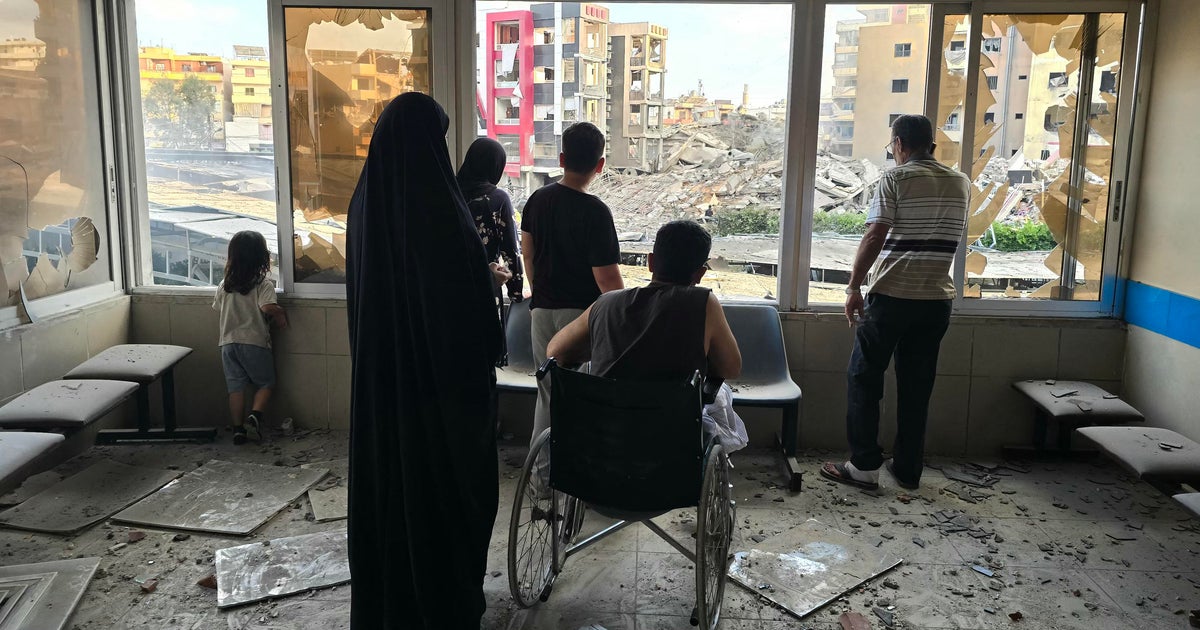
The timing of the strikes is critical. Iran’s Islamic Revolutionary Guard Corps (IRGC) has been accused of expanding its influence across the Middle East, from Yemen’s Houthi rebels to Hezbollah in Lebanon, a strategy that Britannica traces back to the Iran-Iraq War (1980–88). The current escalation follows a pattern: Iran probes regional defenses, then retaliates when its attacks are thwarted. This time, however, the U.S. response was immediate and direct—a rare public acknowledgment of a strike inside Iranian territory.
Israel’s Arms Boom: $19.2 Billion and a Decade of Dominance
While the U.S. and Iran exchange fire, Israel’s defense industry is thriving like never before. The country’s arms exports hit a record $19.2 billion in 2025—a nearly 30% surge from the previous year, according to CBS News, citing Israel’s defense ministry. The figure represents more than doubling in five years and quadrupling over a decade, with missile, rocket, and air defense systems leading the charge at 29% of total sales. A “notable surge” was also recorded in observation and optronics systems, reflecting Israel’s ability to adapt its tech to modern conflicts.
Defense Minister Israel Katz framed the success as a direct result of battlefield achievements: “There is a clear and unmistakable thread connecting the [Israel Defense Forces] battlefield achievements across all fronts, the extraordinary capabilities of Israel’s defense industries, and the success of Israeli defense exports around the world.” The comment underscores how Israel’s conflicts—from Gaza to Lebanon—have become a proving ground for weapons that are now flooding global markets. European countries purchased 36% of these exports, while Asia-Pacific nations bought 32%, and Middle Eastern allies accounted for 15%. The data suggests a geopolitical shift: Israel is no longer just a regional power but a global arms supplier, with its products increasingly seen as essential in conflicts involving Iranian proxies.
The Diplomatic Deadlock: Why Negotiations Are Stuck
Behind the military posturing, the U.S. and Iran remain locked in a diplomatic stalemate. Iran International reports that while some Iranians are privately betting on a breakthrough, official channels show no progress. The Joint Comprehensive Plan of Action (JCPOA), the 2015 nuclear deal abandoned by the U.S. in 2018, remains the sticking point. Since then, Iran has advanced its nuclear program, stockpiling enriched uranium far beyond civilian needs—a development that Britannica notes has isolated Tehran further.
U.S. President Donald Trump, who has framed the negotiations as a test of his administration’s foreign policy, recently suggested a deal could happen “today, tomorrow, next week” during a call with Israeli Prime Minister Benjamin Netanyahu. Yet the timing of the Qeshm strikes—coming just days after Trump’s remarks—raises questions about whether the U.S. is using military pressure to force concessions. Meanwhile, an Iranian officer quoted by CBS News described a renewed war with the U.S. as “inevitable” if the current trajectory continues.
What Comes Next: Three Possible Scenarios
The next 30 days will determine whether this escalation leads to war, a fragile ceasefire, or a last-ditch diplomatic push.
- Escalation to Direct War: If Iran retaliates against U.S. forces or assets in the region—such as the Strait of Hormuz or U.S. military bases in the Middle East—the risk of a broader conflict rises. The IRGC’s expanding reach, from Yemen to Syria, means any strike could draw in regional allies like Hezbollah or the Houthis, turning a localized exchange into a multi-front war.
- Frozen Conflict: A more likely outcome is a prolonged stalemate, where both sides trade limited strikes while avoiding full-scale war. This scenario keeps tensions high but prevents a direct U.S.-Iran confrontation. The Strait of Hormuz remains a flashpoint, with shipping disruptions already affecting global oil markets.
- Diplomatic Gambit: The U.S. could use the Qeshm strikes as leverage to force Iran back to the negotiating table, offering limited sanctions relief in exchange for nuclear rollbacks. However, Iran’s hardliners—who have long opposed concessions—may see any retreat as a victory for the U.S., making compromise difficult.
The wild card is Trump’s political calculus. With the 2030 election looming, he may see value in appearing tough on Iran, even if it risks destabilizing the region. Yet if the U.S. can force Iran into a corner where its options are limited, a deal—however imperfect—could still emerge. The question is whether either side is willing to make the concessions necessary to avoid all-out war.
The Bigger Picture: Why This Matters Beyond the Middle East
The current crisis is more than a regional skirmish—it’s a test of global order. Iran’s strategy of using proxies to project power without direct confrontation has worked for decades, but the U.S. and Israel are now pushing back. Israel’s arms exports, driven by its conflicts with Hamas and Hezbollah, are reshaping the defense industry, with countries like Saudi Arabia and the UAE increasingly turning to Jerusalem for advanced systems. Meanwhile, Iran’s nuclear program and missile strikes are testing the limits of U.S. patience.
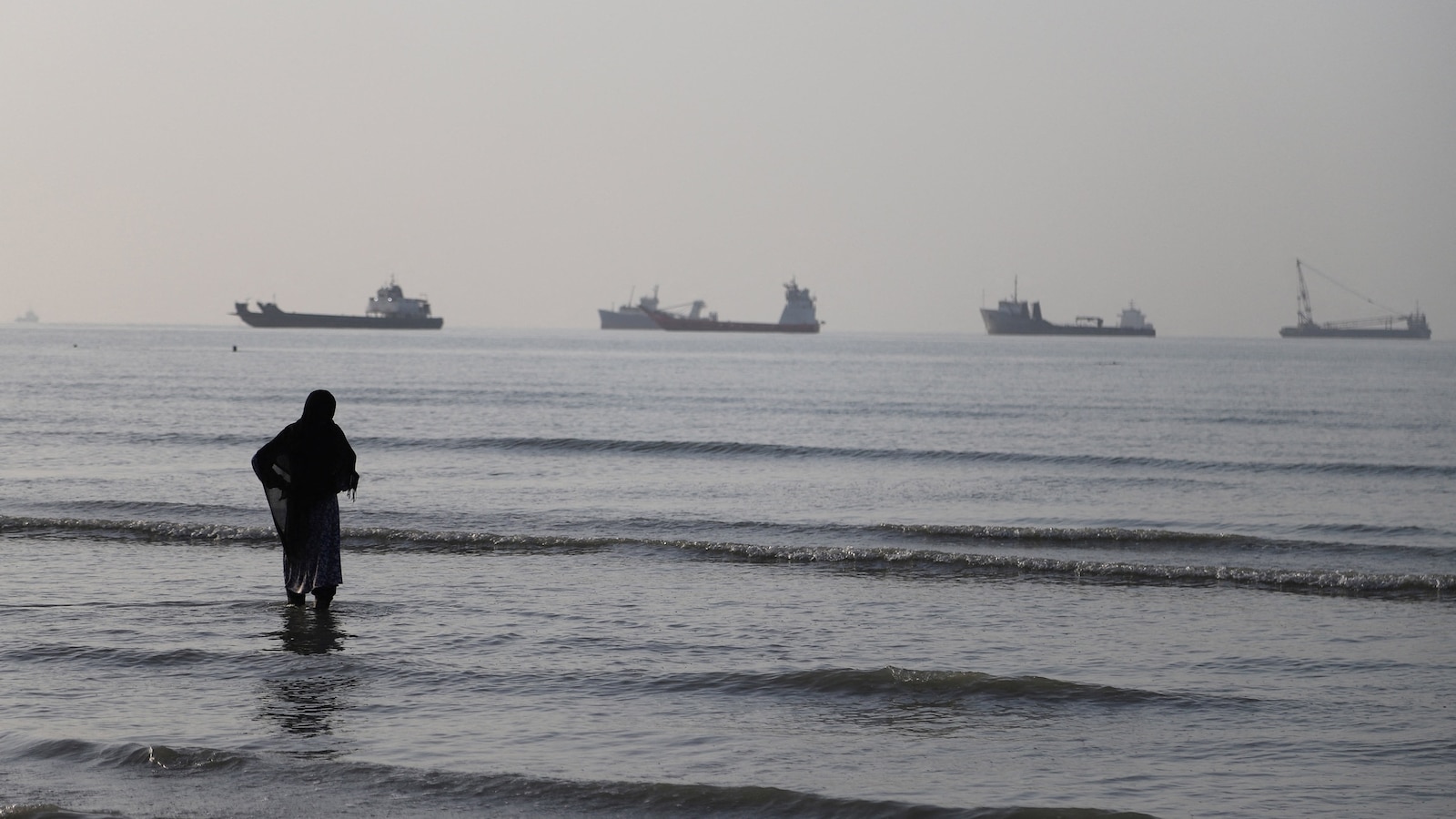
For now, the Strait of Hormuz remains the most vulnerable chokepoint. Any disruption to oil flows—already tense due to the Israel-Hamas war—could send global energy markets into turmoil. The U.S. has signaled it won’t tolerate attacks on shipping, but Iran’s IRGC shows no signs of backing down. The coming weeks will reveal whether diplomacy can outpace the military buildup—or if the region is heading toward a conflict that could redefine the balance of power in the Middle East.
The stakes could not be higher. For Iran, the choice is between isolation and engagement. For the U.S., the question is whether it can deter Iran without provoking a war it cannot win. And for Israel, the arms boom offers a lifeline—but only if the conflicts that fueled it don’t spiral out of control.
