
A federal report on alcohol’s health risks, commissioned during the Biden administration but withheld by the Trump administration, was published June 8 in the Journal of Studies on Alcohol and Drugs. The study concludes that even low levels of alcohol consumption increase the risk of serious illness and death, contradicting previous dietary guidance.
Findings on Alcohol-Related Disease Risks
The research, which involved a review of more than 7,200 studies, challenges the long-standing belief that moderate drinking—often cited as one drink per day—is benign. According to USA Today, the study indicates that the risk of death or serious illness scales rapidly with consumption. While seven drinks per week carries a 1 in 1,000 lifetime risk of death, that figure surges to 1 in 100 with nine drinks per week.

The authors explicitly reject the “red wine” health narrative, noting that no level of alcohol consumption provides a protective health benefit that outweighs the associated harms. Conditions linked to even minimal intake include cirrhosis, cardiovascular disease, and several types of cancer, particularly breast, esophageal, and oral cancers.
“No protective effect of drinking was observed even at low levels,” study co-author Katherine M. Keyes, professor of epidemiology at Columbia University Mailman School of Public Health, said in a news release from the college.
Political Suppression and the “Sidelined” Report
The path to publication for this report was marked by intense political friction. Originally commissioned by the Biden administration and partially funded by the Department of Health and Human Services (HHS), the study was intended to inform federal dietary guidelines. However, it was STAT reported that the project became a flashpoint for controversy, with alcohol industry lobbyists and some members of Congress alleging the researchers possessed an anti-alcohol bias.
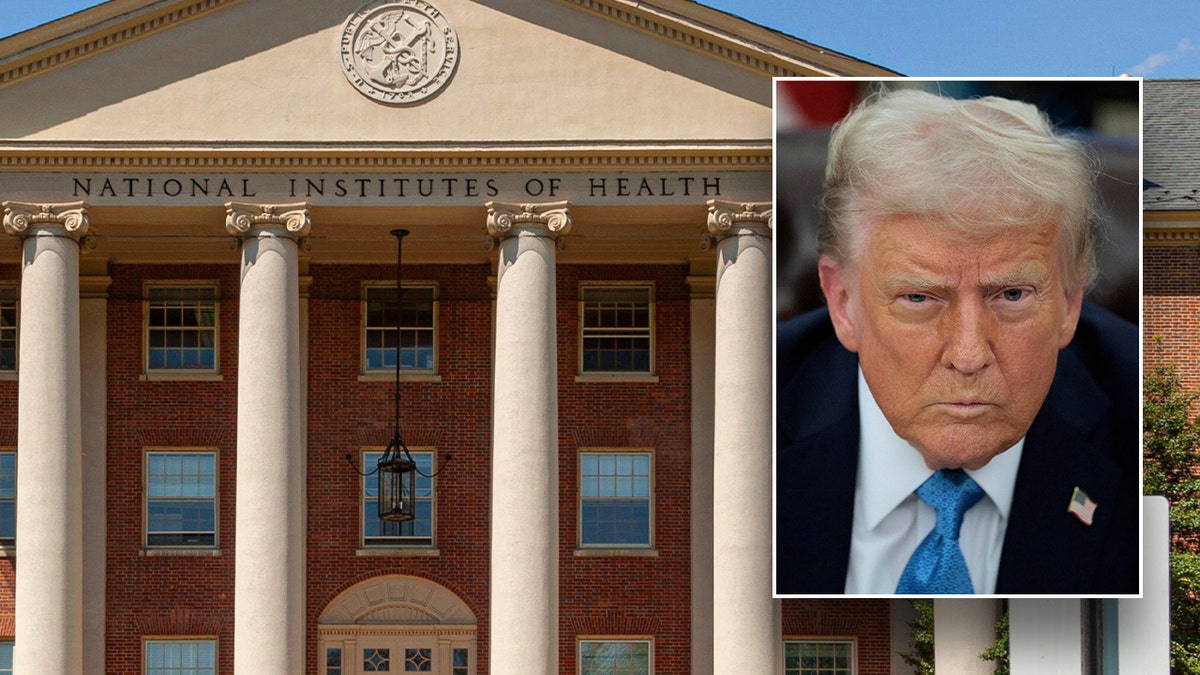
Robert Vincent, a former associate administrator for alcohol prevention and treatment policy at SAMHSA who helped oversee the study, stated that the document was “sidelined” amid industry pressure. In an editorial accompanying the journal publication, Vincent argued that the findings were suppressed because they were “commercially threatening.” A House Oversight Committee report from January 2026 had previously labeled the study “irretrievably flawed,” advising that dietary guideline authors disregard its conclusions.
Disagreement Over Federal Dietary Guidelines
The publication of this study highlights a sharp divide between independent scientific findings and current federal advice. While the new study advocates for a “none is best” approach, the 2025–2030 Dietary Guidelines for Americans—unveiled in January—moved away from specific drink counts. Instead, the guidelines offer a broader, less prescriptive recommendation to “consume less alcohol for better overall health.”
HHS officials maintain that the study published this week is not the official government report. Emily Hilliard, a spokeswoman for the HHS, emphasized that the agency follows a formal process for updating national health advice. According to Hilliard, the government’s guidelines are “informed by the totality of the scientific record, not any single report or analysis.”

“HHS and USDA reviewed the study alongside the broader body of available scientific evidence and followed the established process for developing the 2025–2030 Dietary Guidelines for Americans. The guidelines are informed by the totality of the scientific record, not any single report or analysis,” Emily Hilliard, a spokeswoman for the HHS, told STAT.
The HHS further clarified that the version published in the Journal of Studies on Alcohol and Drugs was “NOT commissioned by, NOR reviewed, approved, or cleared by SAMHSA.” While the scientific review process between 2023 and 2025 was taxpayer-funded and overseen by federal health agencies, officials noted that the final paper includes additional authors and analysis that differ from the internal drafts reviewed by the government.
Implications for Public Health Messaging
The release of these findings forces a public confrontation between industry-influenced policy and epidemiological research. For the public, the discrepancy creates confusion regarding what constitutes a “safe” level of consumption. The researchers behind the study remain firm, asserting that their work is not politically motivated but rather a rigorous assessment of health risks that were previously downplayed or ignored.
As the debate continues, health experts suggest that individuals concerned about their alcohol intake should focus on the cumulative risk factors identified in the study. Patients should consult their healthcare provider to discuss how personal health history and alcohol consumption influence their individual risk profile for chronic diseases.
