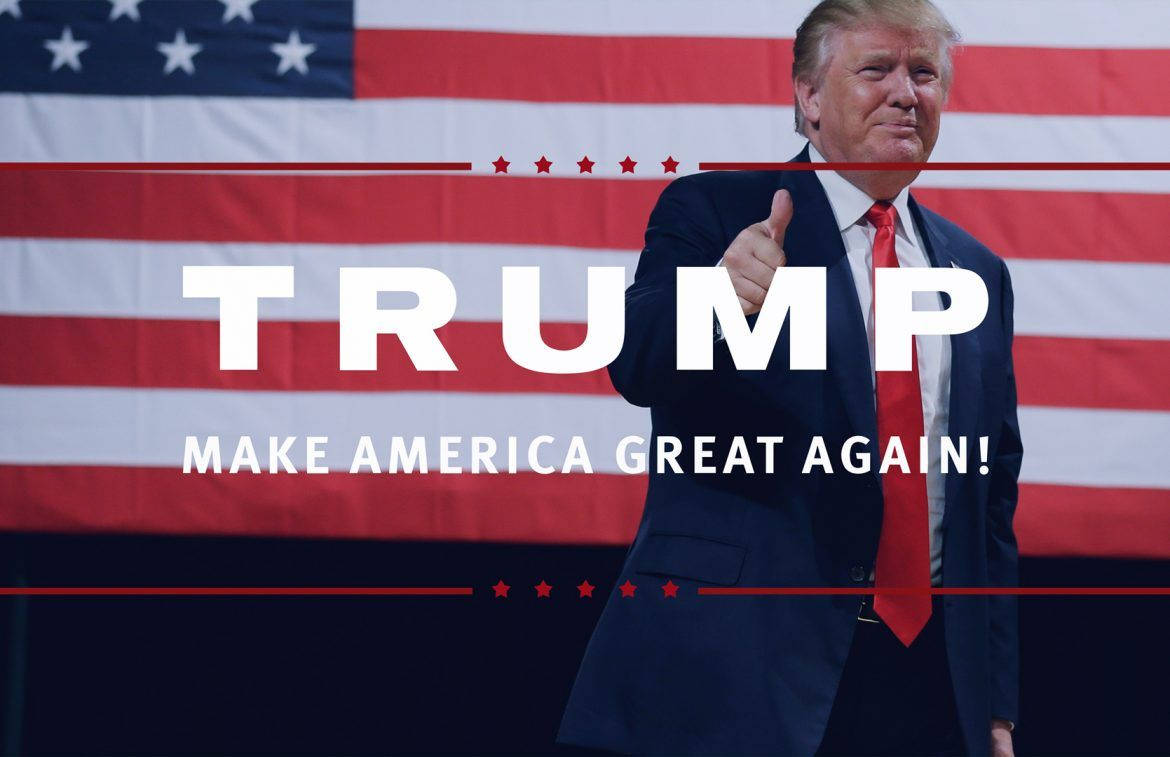
President Donald Trump postponed a planned U.S. military strike on Iran on Tuesday, May 19, 2026, after Gulf leaders urged more time for ongoing diplomatic negotiations, with the U.S. military placed on standby for a potential large-scale assault.
Trump Halts Iran Strike as Diplomacy Takes Center Stage
President Donald Trump announced on Tuesday that he had delayed a planned military strike against Iran, citing “serious negotiations” underway with regional allies. The decision comes amid heightened tensions in the Strait of Hormuz, where Iranian-backed forces have escalated attacks on commercial shipping and U.S. assets. While the strike was postponed, Trump made clear the U.S. military remained prepared to act on a moment’s notice
, according to multiple reports.
The delay reflects a rare moment of diplomatic coordination in a region where Trump’s administration has long prioritized a peace through strength
approach. Sources close to the White House confirmed that Gulf Cooperation Council (GCC) states, including Saudi Arabia and the United Arab Emirates, had pressed for additional time to finalize a framework that could de-escalate hostilities. The U.S. had already positioned forces in the region, with Trump stating earlier this month that the military was getting ready to do a very major attack
.
Iran has not publicly commented on the postponement, but analysts suggest Tehran may see the pause as a tactical victory, given its repeated insistence that any resolution must include the lifting of sanctions and a withdrawal of U.S. forces from the Middle East. The Trump administration, however, has framed the negotiations as an effort to lock in concessions
rather than a retreat from its hardline stance.
Regional Allies Push for De-escalation
The GCC’s intervention underscores the delicate balance Trump’s administration must maintain between deterring Iran and avoiding a broader conflict that could destabilize global energy markets. Saudi Arabia, in particular, has faced mounting domestic pressure to reduce its reliance on U.S. military guarantees after years of proxy wars in Yemen and Syria. The UAE, meanwhile, has pursued a more pragmatic approach, seeking to mitigate Iranian influence without direct confrontation.
According to a senior administration official, the GCC states argued that a military strike—even a limited one—risked triggering a disproportionate Iranian response, potentially drawing in Hezbollah, Houthis, and other proxy forces. The official noted that the calculus changed when we saw the level of coordination among Gulf states
, adding that Trump ultimately agreed to buy time for diplomacy
while keeping military options on the table.
This is not the first time Trump has threatened military action against Iran. During his first term (2017–2021), his administration carried out targeted strikes on Iranian-backed militias in Iraq and Syria, and in 2024, the U.S. assassinated a senior Iranian Revolutionary Guard Corps commander in a drone strike. However, the current standoff marks the most serious escalation since Trump’s return to office in 2025, when he won re-election on a platform emphasizing America First
foreign policy and a harder line against Tehran.
Military Posture: Ready for a Strike, But Not Yet
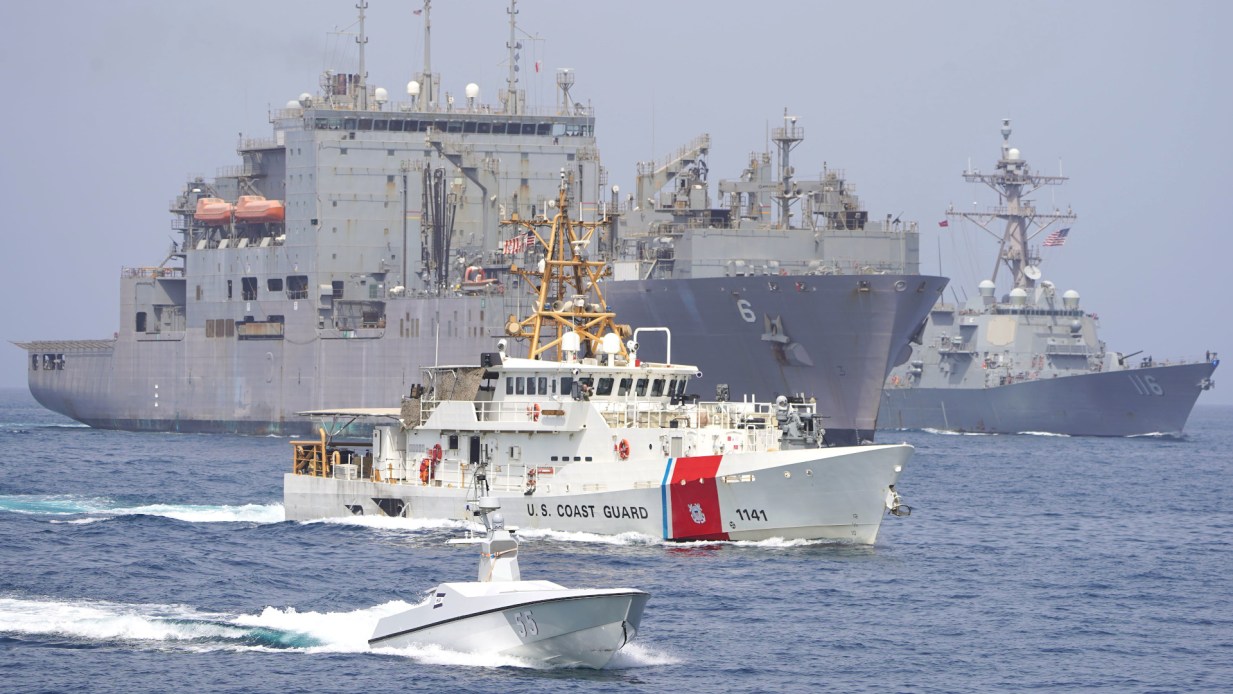
Despite the pause, the U.S. military’s posture in the region remains aggressive. Trump instructed commanders to maintain full operational readiness
, with aircraft carriers, bombers, and cyber units held at heightened alert status. A Pentagon spokesperson confirmed that all contingencies are being prepared for
, though no specific timeline for a potential strike has been set.
The military’s readiness reflects Trump’s broader strategy of controlled escalation
, where the threat of force is used to pressure adversaries without committing to prolonged engagement. However, the risk of miscalculation remains high. In 2024, a U.S. drone strike in Syria accidentally killed Iranian and Russian personnel, nearly triggering a direct confrontation between Washington and Moscow. Analysts warn that any misstep in the current standoff could have similarly catastrophic consequences.
Iran’s own military posture has been equally provocative. Over the past month, Iranian-backed Houthi rebels in Yemen have stepped up attacks on Red Sea shipping, while the Islamic Revolutionary Guard Corps has conducted a series of cyber intrusions targeting U.S. energy infrastructure. These actions have been framed by Tehran as asymmetric deterrence
, aiming to raise the cost of any U.S. military action without direct confrontation.
What Comes Next: Negotiations or Escalation?
The next 72 hours will be critical in determining whether the diplomatic push succeeds or whether tensions spiral further. Sources indicate that the U.S. has proposed a three-phase plan
to Iran, involving:
1. A temporary ceasefire in the Strait of Hormuz and Red Sea.
2. The resumption of indirect talks on Iran’s nuclear program, with a focus on limiting enrichment activities.
3. A review of U.S. sanctions, though administration officials have emphasized that no sanctions will be lifted until Iran demonstrates a genuine commitment to de-escalation
.
Iran’s response remains uncertain. Hardliners in the Revolutionary Guard have long opposed any concessions, while more pragmatic elements within the government may see the current pause as an opportunity to secure limited relief. The death of Supreme Leader Ayatollah Ali Khamenei in early 2026 and the subsequent power transition have added another layer of complexity, with the new leadership still consolidating its position.
If negotiations fail, the U.S. could revert to military action, though the political fallout would be significant. Trump’s approval ratings have fluctuated amid economic concerns, and a prolonged conflict could further divide his base. Meanwhile, allies in Europe and Asia have privately urged restraint, fearing that a strike could trigger a regional war.
For now, the world watches as Trump’s administration navigates one of its most high-stakes diplomatic gambles. The postponement of the strike buys time—but the clock is ticking.
