Israel and Iran traded direct military strikes Monday, June 8, 2026, escalating a fragile ceasefire into open warfare and sending global markets into turmoil. After Iran launched ballistic missiles at northern Israel Sunday night in retaliation for an Israeli strike on Hezbollah targets in Beirut, Israel responded with airstrikes on Iranian cities—defying a direct plea from Donald Trump to hold off. The exchanges, the first direct cross-border strikes since an April 8 ceasefire, now threaten to drag the Middle East into a full regional conflict, with Saudi Arabia sounding missile alerts near U.S. bases and Yemen’s Houthi rebels firing at Israel for the first time in this war.
Trump’s Failed Plea: How Netanyahu Ignored the Call to Restraint
Trump’s intervention came just hours before Israel’s retaliation. According to The Guardian, the former U.S. president called Israeli Prime Minister Benjamin Netanyahu Sunday night to urge restraint, telling him, “I call all the shots. He [Netanyahu] doesn’t call the shots.” A senior U.S. official, speaking on condition of anonymity, confirmed Trump had “got Bibi to hold off for the time being,” but Israel struck Iran within hours. Trump later told Fox News he was “not happy” about Israel’s Beirut attack, which he said was not coordinated with Washington—a move that Tehran’s parliament speaker, Mohammad Bagher Ghalibaf, framed as a U.S. “green light” for escalation.
Netanyahu’s defiance underscores a deeper fracture between Jerusalem and Washington. Trump’s claim to dictate terms to Netanyahu—echoed in a pre-strike interview with the Financial Times—contradicts Israel’s long-standing autonomy in military operations. Yet the strike on Iran’s petrochemical plant in Mahshahr, confirmed by Iranian state media and the Israeli military, signals Netanyahu’s refusal to cede control, even to a former president. The timing suggests Israel’s calculus prioritized deterrence over diplomacy.
The Strikes: What Happened, Where, and Why It Matters
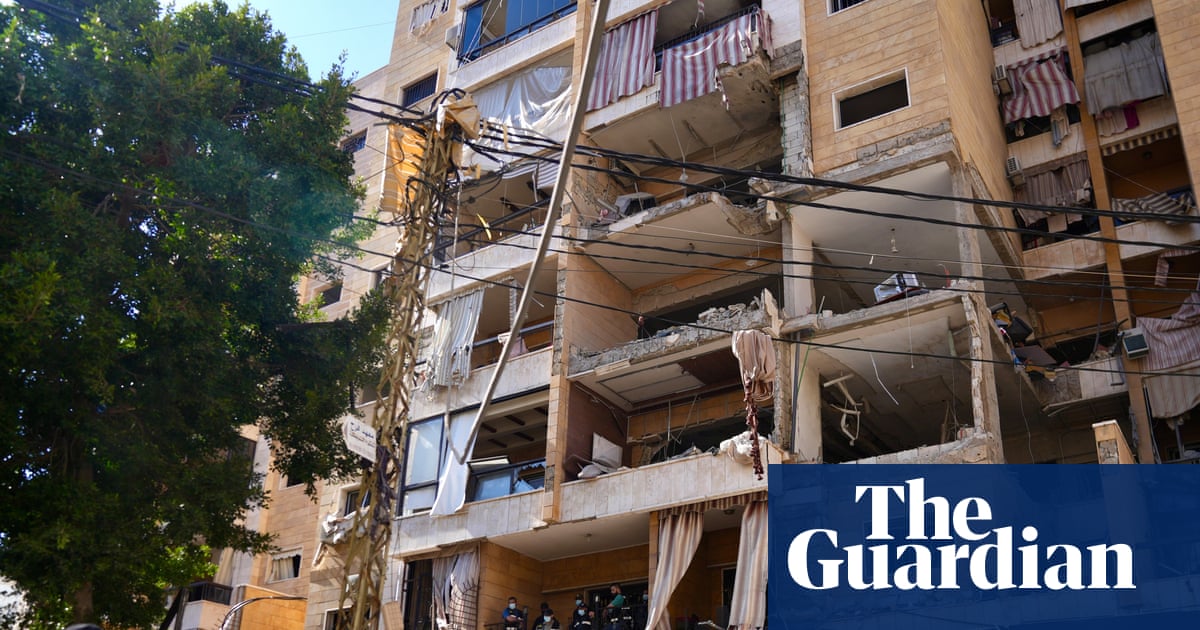
Iran’s missile barrage Sunday night targeted northern Israel, with explosions heard across central cities. Israel’s Iron Dome intercepted most, but the attack—coming after Israel’s strike on Beirut’s Dahiyeh district—was a direct escalation. Lebanese health officials reported two deaths and 20 wounded in the Israeli retaliation, which hit a Hezbollah command center. Iran responded in kind, with strikes on Tehran, Isfahan, Karaj, and Tabriz, including a shutdown of Imam Khomeini International Airport. The Israeli military later confirmed a strike on a petrochemical factory in Mahshahr, a facility critical to Iran’s oil exports.

What makes this exchange particularly volatile is the timing. The strikes occurred on the 100th day of the Iran-Israel war, which began February 28, 2026, after a U.S.-Israel operation killed Iran’s Supreme Leader Ayatollah Ali Khamenei. The April 8 ceasefire had already been tested by Iran’s blockade of the Strait of Hormuz—a chokepoint for 20% of global oil and gas trade—and by Hezbollah’s ongoing clashes with Israel. Now, with Yemen’s Houthi rebels firing at Israel for the first time in this conflict, the risk of a full regional war has surged.
The Domino Effect: Saudi Arabia, Yemen, and Global Markets React
Saudi Arabia’s missile alert near Prince Sultan Air Base—home to U.S. forces—highlighted the spillover risks. While the alert was later lifted, the incident revealed how quickly the conflict could draw in Gulf allies. Meanwhile, Yemen’s Houthi rebels, who joined the war in March, fired a missile at Israel Monday, though they did not immediately claim responsibility. The Houthis’ involvement adds another layer of complexity: their attacks on commercial shipping in the Red Sea have already disrupted global trade, and their direct targeting of Israel could force Washington to respond.
For more on this story, see Rubio Warns of Global Backlash Over Iran’s Strait of Hormuz Proposal.
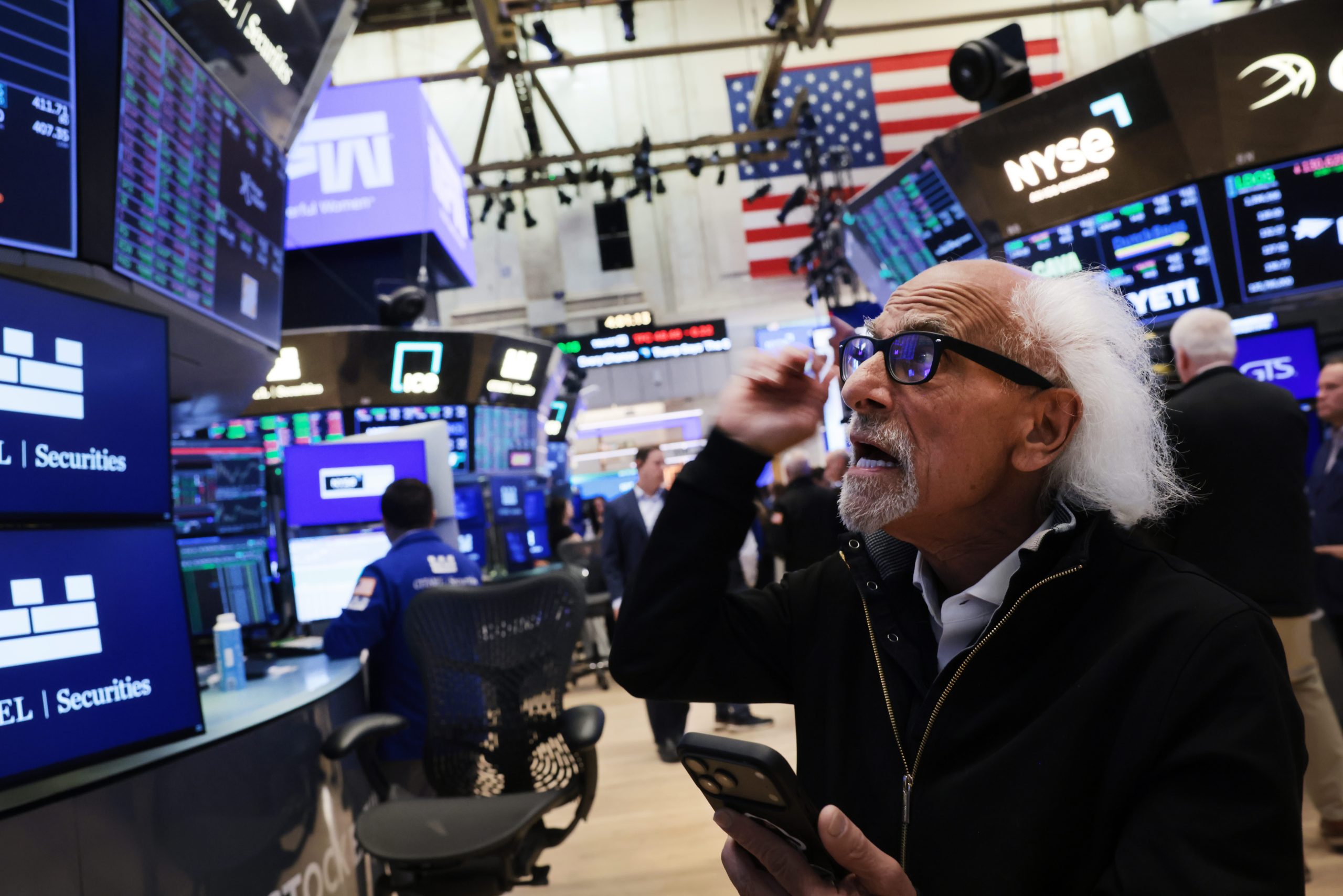
Global markets reflected the uncertainty. U.S. stock futures dipped Monday as investors digested the escalation, with the Dow slipping 75 points and Nasdaq futures rising modestly. Asia-Pacific markets fell sharply: South Korea’s Kospi dropped 4%, Hong Kong’s Hang Seng 1.8%, and Japan’s Nikkei 3.7%. The sell-off followed Friday’s sharp declines—Nasdaq fell 4.18%, its worst drop since April 2025—amid concerns over inflation and the upcoming SpaceX IPO, which could test AI-driven market valuations.
The Ceasefire’s Fragility: What Broke It and What Comes Next
The ceasefire’s collapse traces back to two key events: Israel’s strike on Beirut and Iran’s missile attack. Tehran’s parliament speaker, Ghalibaf, accused the U.S. of enabling Israel’s actions, framing them as violations of the ceasefire. His post on X (formerly Twitter) accused Washington of “breaches of agreements related to Lebanon,” a claim the White House has not addressed. The Beirut strike itself was a direct challenge to Hezbollah, which had been holding fire—until Israel’s attack forced their hand.
Now, the question is whether this exchange will lead to a new escalation or a return to negotiations. Trump’s call for Iran to “stop firing missiles and return to the negotiating table” suggests he sees diplomacy as the only path forward. But Iran’s Revolutionary Guards have vowed retaliation for what they call “legitimate targets,” and Israel’s strike on Iranian soil—using air-launched ballistic missiles—signals a refusal to back down. The next critical test will be whether Iran responds with further strikes or whether Netanyahu, facing domestic pressure to appear strong, escalates further.
The Energy Crisis: How Iran’s Blockade of the Strait of Hormuz Could Reshape Global Markets
Iran’s blockade of the Strait of Hormuz—announced in May 2026—has already sent oil prices surging. Brent crude jumped $3.50 to $96.59 a barrel last week, according to CNBC, as traders braced for disruptions. With Iran now striking at Israeli and U.S. interests, the risk of a broader conflict could tighten supplies further. The U.S. and its allies have warned of potential military responses to any attack on shipping, but the economic fallout—higher fuel costs, supply chain disruptions, and inflationary pressures—is already being felt.

For investors, the uncertainty is compounded by the upcoming SpaceX IPO, which could become a litmus test for market sentiment. Analysts like Callie Cox of Ritholtz Wealth Management warn that the stock market may be “becoming a victim of its own success,” with growth outpacing inflation concerns. But if the Iran-Israel conflict deepens, the risk of a broader regional war could force a reassessment of high-risk assets—including AI-driven valuations that have driven recent gains.
What Happens Next: Three Possible Scenarios
The next 72 hours will be decisive.
- Escalation: Iran launches further strikes on Israeli or U.S. targets, prompting Israel to respond with deeper raids into Iran. Saudi Arabia or the UAE could be drawn in, risking a Gulf War-style conflict.
- De-escalation: Trump’s diplomacy succeeds, with Iran and Israel agreeing to a temporary pause. The focus shifts to negotiations over the Strait of Hormuz and Hezbollah’s role in Lebanon.
- Stalemate: Both sides trade limited strikes but avoid full-scale war. The ceasefire holds, but tensions remain high, with Iran maintaining its blockade and Israel conducting periodic raids.
The wild card remains Trump’s influence. His direct intervention—combined with his claim to control Netanyahu—could either stabilize the situation or deepen rifts if Israel perceives U.S. pressure as interference. Meanwhile, global markets will watch closely for signs of a broader conflict, with oil prices and stock valuations serving as early indicators of whether diplomacy or war prevails.
Why This Matters: The Larger Geopolitical Stakes
This crisis is more than a clash between two Middle Eastern rivals. It’s a test of U.S. influence in the region, the resilience of the ceasefire framework, and the global economy’s ability to withstand supply chain shocks. The involvement of Hezbollah, the Houthis, and now Saudi Arabia transforms a bilateral conflict into a potential multi-front war. For the U.S., the challenge is balancing support for Israel with avoiding direct confrontation with Iran—a tightrope that Trump’s intervention complicates.
Historically, such escalations have led to prolonged conflicts. The 2006 Lebanon War, for example, lasted 34 days and reshaped Hezbollah’s power. The 2019 U.S.-Iran standoff in the Strait of Hormuz saw oil prices spike and tensions flare for months. If this conflict follows a similar trajectory, the economic and humanitarian costs could be severe—particularly for vulnerable populations in the region and beyond.
The next move belongs to Iran. Will they escalate further, or will Trump’s plea for negotiations prevail? The answer will determine whether the world avoids a larger war—or steps into one.
