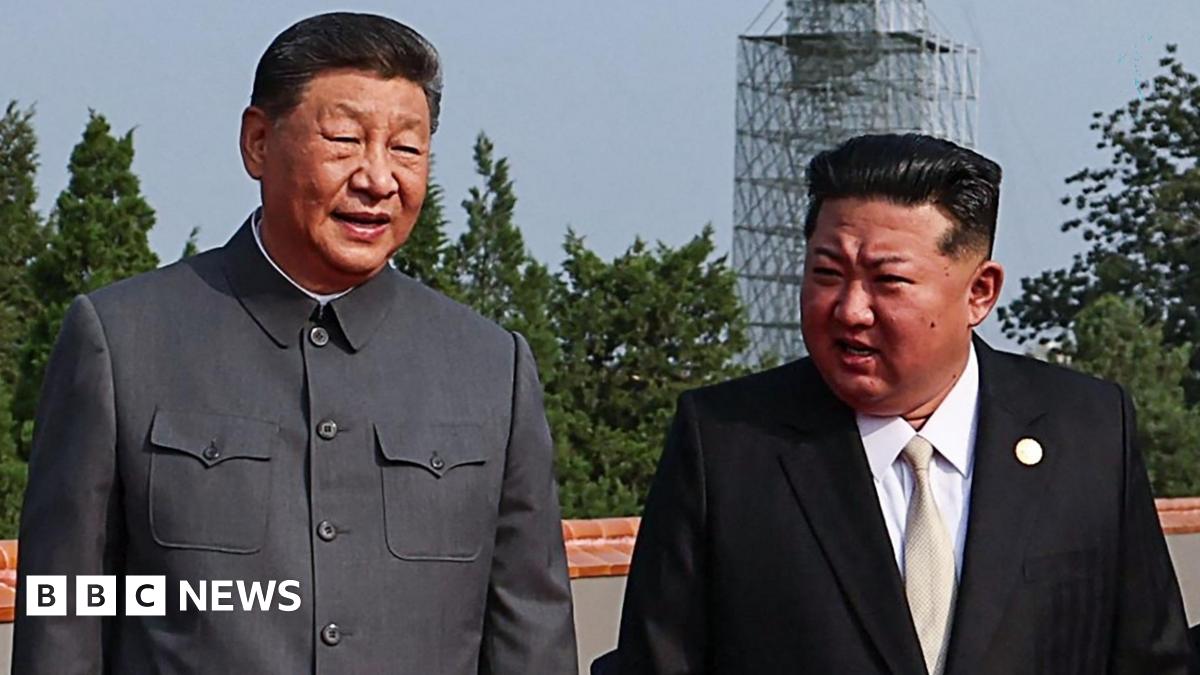
Chinese President Xi Jinping arrived in Pyongyang on Monday for a rare two-day visit, marking his first trip to North Korea in nearly seven years and signaling a strategic effort to strengthen ties with his isolated ally amid shifting regional dynamics. The visit, timed ahead of the 65th anniversary of the Sino-North Korean Treaty of Friendship, Mutual Assistance, and Cooperation, comes as Pyongyang deepens its military and economic ties with Russia while maintaining complex relations with China.
Historical Context of Sino-North Korean Relations
Xi’s 2026 visit follows his last official trip to Pyongyang in 2019, a meeting that underscored the enduring but often strained partnership between the two nations. The 1953 treaty, the only formal defense pact China maintains with another country, has faced challenges in recent years due to Pyongyang’s growing reliance on Russia. Since Russia’s 2022 invasion of Ukraine, North Korea has sent an estimated 11,000 soldiers to fight in the war, in exchange for military and economic support, according to the BBC. This shift has altered the geopolitical balance, with Pyongyang increasingly viewing Russia as a more reliable partner than China.
“What has changed is that Kim has consolidated ties with Russia, given the supply of troops and ammunition. That perhaps makes Pyongyang less reliant on [China], since they can secure oil, gas, and other raw materials confidently from Russia,” said Professor Ian Chong of the National University of Singapore, as reported by the BBC. This realignment has raised concerns in Beijing about losing influence over its northern neighbor, a key strategic and ideological ally.
North Korea’s Evolving Foreign Policy
North Korea’s recent actions reflect a broader shift in its foreign policy. In 2024, the regime revised its constitution to remove references to unification with South Korea, signaling a move away from past diplomatic overtures. This change, noted by the BBC, aligns with Kim Jong Un’s focus on strengthening ties with Russia and adopting a more confrontational stance toward Seoul. Analysts suggest this reflects a desire to diversify its international partnerships while reducing dependence on China.
“Exploring different directions” and “moving away from unification with South Korea” are themes echoed in North Korean propaganda, which now emphasizes its bonds with Russia as a “war together” legacy, according to John Delury, a senior fellow at the Asia Society, cited by The Guardian. In contrast, historical ties with China are framed as “nostalgic,” highlighting the regime’s pragmatic approach to alliances.
Strategic Balancing Act for China
Xi’s visit aims to reinforce China’s strategic interests in the region, particularly its desire to prevent North Korea from drifting too far from its orbit. “They don’t want to let North Korea’s closeness with Russia outpace the ties with China too much,” Delury said in The Guardian. Beijing’s concerns are compounded by its own security priorities, including its rivalry with Japan and its need to maintain a delicate relationship with the United States.
The trip also comes amid heightened tensions on the Korean Peninsula. North Korea recently unveiled a new nuclear material production facility and called for an “exponential” expansion of its atomic arsenal, according to The Guardian. While Xi and Kim’s meeting is expected to address denuclearization, the absence of explicit commitments in previous talks—such as the 2025 summit with U.S. President Donald Trump—has raised doubts about the feasibility of such goals.
U.S.-China Dynamics and Regional Implications
Xi’s visit follows Trump’s recent summit with Beijing, which aimed to stabilize U.S.-China relations. However, the lack of concrete outcomes from that meeting has left questions about how Washington and Beijing will coordinate on North Korea. Kim Yo-jong, Kim Jong Un’s sister, recently dismissed reports that Trump and Xi had discussed denuclearization, calling them “false,” as noted by The Guardian. This suggests ongoing friction in multilateral efforts to address Pyongyang’s nuclear ambitions.
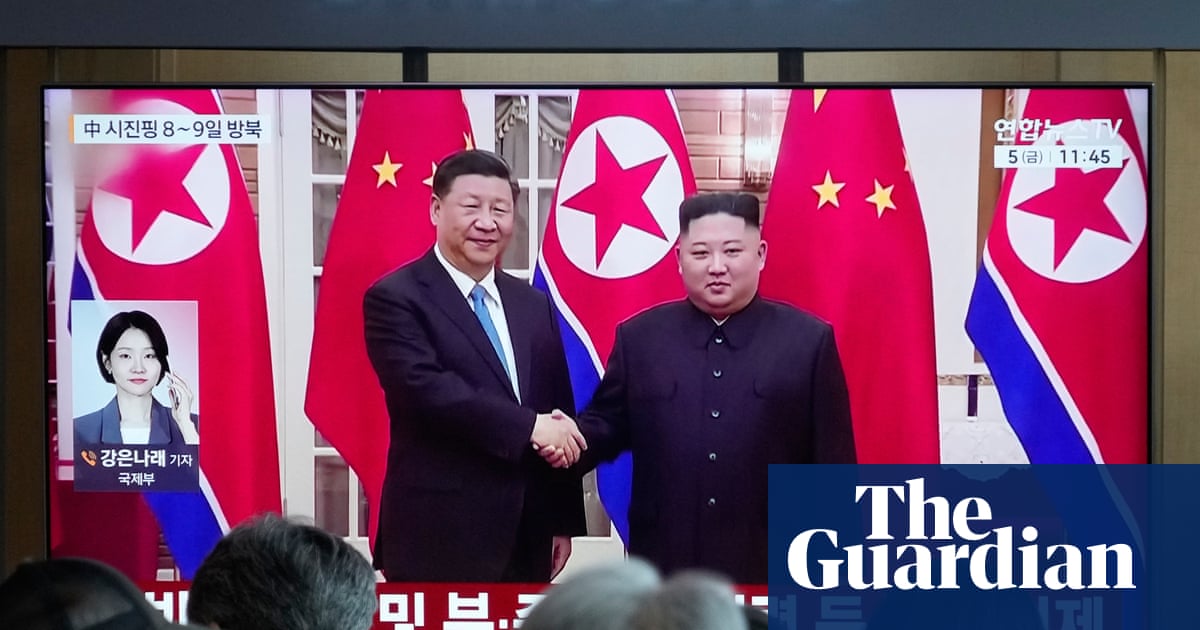
The visit also highlights the growing influence of Russia in East Asia. In September 2025, Xi, Kim, and Russian President Vladimir Putin participated in a military parade in Beijing, projecting a unified front of autocratic alliances. Yet, behind the symbolism, each leader navigates a complex web of self-interests. For Xi, maintaining stability on the Korean Peninsula is critical to safeguarding China’s northeastern security, particularly amid rising tensions with Japan.
What Comes Next?
The immediate focus of Xi’s visit will be reinforcing diplomatic and economic ties with North Korea, even as Beijing seeks to curb its ally’s nuclear ambitions. Analysts warn that without broader international cooperation, Pyongyang’s nuclear program will continue to pose a threat. “China’s role is pivotal, but it cannot act alone,” said William Yang, a senior analyst at the Crisis Group, in a 2025 report. “The U.S., South Korea, and regional partners must also engage in sustained dialogue.”
For now, the visit underscores the fragile balance of power in Northeast Asia. As North Korea’s ties with Russia deepen, the region’s future will hinge on whether China can reassert its influence—or if Pyongyang will chart an independent course. The coming months will reveal whether Xi’s efforts to stabilize the relationship can withstand the pressures of a rapidly changing global order.
BBC article | <a Ultimately, the success of this diplomatic outreach will depend on whether both leaders can effectively navigate the competing interests and evolving security dynamics currently defining the broader geopolitical landscape of Asia.
