Iran strikes U.S.-linked targets and Bahrain following American airstrikes
Iran and the United States exchanged military strikes on Saturday, June 27, involving U.S. airstrikes on Iranian soil and Iranian drone attacks on Bahrain.
- Headline Dispatch: Iran strikes U.S.-linked targets and Bahrain following American airstrikes
- Core Takeaway: Iran and the United States exchanged military strikes on Saturday, June 27, involving U.S. airstrikes on Iranian soil and Iranian drone attacks on Bahrain.
- Source Synthesis: Continuous live monitoring aggregated across major news wires and independent bureaus.
Iran strikes U.S.-linked targets and Bahrain following American airstrikes
Iran and the United States exchanged military strikes on Saturday, June 27, in the most severe escalation since the two nations signed an interim peace deal two weeks ago to end a four-month conflict. The cycle of violence began with U.S. Airstrikes on Iranian soil and culminated in Iranian drone attacks targeting Bahrain and undisclosed U.S.-linked military positions.
The Iranian Revolutionary Guard Corps reported Saturday that it targeted several locations of the U.S. terrorist army in the region
, describing the operations as defensive attacks
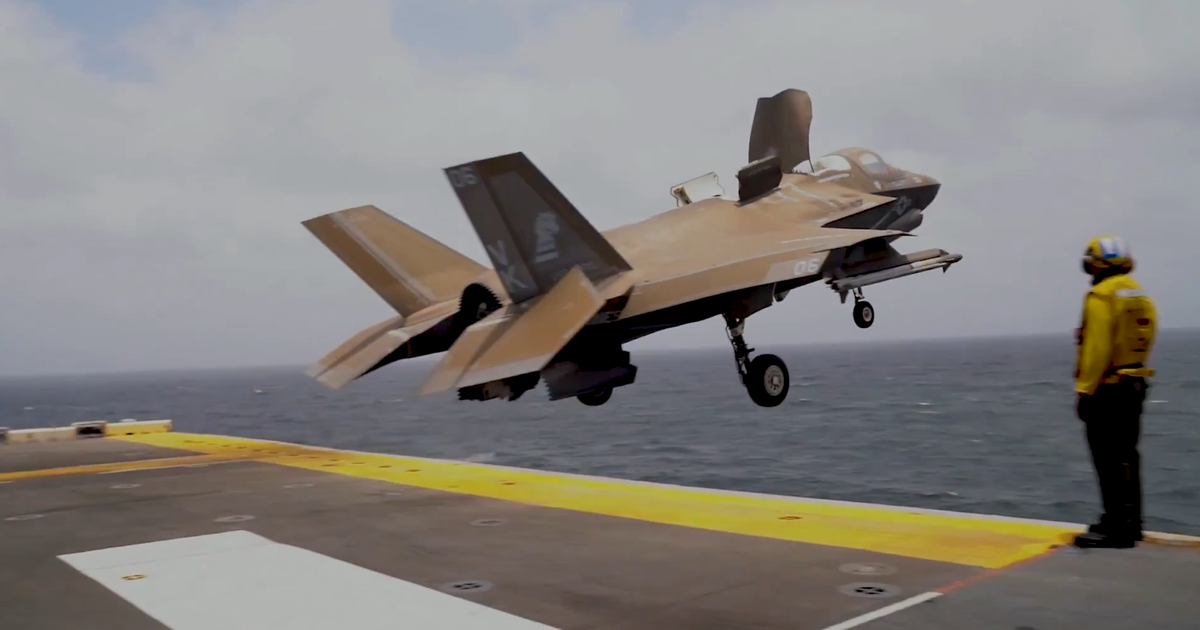
. While the Guard did not name the specific targets, the attacks followed U.S. Retaliatory strikes conducted on Friday. U.S. Central Command stated those strikes hit four targets, including radar sites and Iranian missile and drone storage facilities on the southern coast and Qeshm Island, using six land-based aircraft.
Bahrain, which hosts the U.S. Navy's 5th Fleet, reported that a number of Iranian drones
targeted the kingdom. Bahrain's Foreign Ministry called the assault a flagrant threat to the security of citizens and residents
and a violation of the memorandum of understanding (MOU) between the U.S. And Iran. Other regional allies expressed support for Bahrain; the United Arab Emirates condemned the hostile drone attacks
in the strongest terms, and Egypt stated it stands alongside the kingdom.
Tensions remained high in the Strait of Hormuz, where a tanker reported being struck by an unidentified projectile
around 11:30 a.m. Local time on Saturday, according to the U.K. Maritime Trade Operations. The ship sustained damage to its bridge, though no injuries were reported. This follows an incident on Thursday, where President Donald Trump stated Iran launched at least four drones at ships in the strait. Trump noted that while three were shot down, one drone hit the upper deck of a very expensive
cargo ship, which he identified as the Singapore-flagged Ever Lovely.
The volatility is deeply tied to a dispute over maritime corridors. The U.S. And Oman have established two temporary shipping lanes through the strait, a move the Joint Maritime Information Center is using to push for the reopening of the waterway. However, the IRGC has declared these routes illegal, unacceptable, and extremely dangerous
, insisting the only legal route is the one designated by Iran. Tehran has warned it will begin charging fees for transit and has already turned back three foreign tankers attempting unauthorized
passage through the southern corridor.
The military escalation coincides with a fragile diplomatic effort to stabilize Lebanon. On Friday, Secretary of State Marco Rubio announced a trilateral framework agreement between the U.S., Israel, and Lebanon intended to bring lasting peace and security
. But the deal was immediately rejected by Hezbollah Secretary-General Sheikh Naim Qassem, who called the agreement a humiliation, a disgrace, and a surrender of sovereignty
.
A central point of contention is the Israeli military presence in southern Lebanon. While the trilateral deal suggests Israel will exit Lebanese territory pending the disarmament of non-state armed groups, Israel's prime minister's office stated it will maintain its security zone until Hezbollah and other organizations are disarmed. This contradicts the 14-point MOU signed 10 days ago, which called for the immediate and permanent end to military operations on all fronts
.
U.S. Officials have remained firm on their stance. Vice President JD Vance stated on social media that the U.S. Has honored the ceasefire and warned that violence will be met with violence
if Iran continues its aggression.
Despite the clashes, some diplomatic channels remain active. Pakistan, acting as a primary mediator, recently facilitated the return of 22 Iranian crew members from the vessel Lenore/Davina, which had been seized by U.S. Forces on June 5. Pakistan's Foreign Minister Ishaq Dar noted that Islamabad has helped repatriate over 70 Iranian citizens during the conflict.
The conflict's impact on global markets has been mixed. Oil prices dropped about 4% on Friday, with Brent crude trading near $72 a barrel as some supply began to flow again. However, Asian markets saw sharp declines, with South Korea's Kospi closing down almost 6% and Tokyo falling more than 4%.
The regional security situation remains unstable as Israel continues operations in Lebanon and Gaza. On Saturday, the Israeli military reported targeting a threat in the Nabatiyeh area of southern Lebanon and conducted a strike in Gaza's Muwasi area that killed two siblings. Meanwhile, Israeli drones have begun dropping leaflets in Al-Mansouri, Lebanon, ordering civilians to evacuate the security zone.
How significant is this development?
Participate in our community survey on the trajectory and real-world impact of this news.