U.S. and Iran exchange strikes as Strait of Hormuz standoff escalates
The U.S. and Iran reached an initial agreement to open the Strait of Hormuz following a weekend of heavy missile and drone strikes.
- Headline Dispatch: U.S. and Iran exchange strikes as Strait of Hormuz standoff escalates
- Core Takeaway: The U.S. and Iran reached an initial agreement to open the Strait of Hormuz following a weekend of heavy missile and drone strikes.
- Source Synthesis: Continuous live monitoring aggregated across major news wires and independent bureaus.

U.S. And Iran exchange strikes as Strait of Hormuz standoff escalates
The United States and Iran exchanged heavy missile and drone strikes throughout a weekend of escalating violence, culminating in an initial agreement early Monday, July 13, 2026, to open the Strait of Hormuz and extend a precarious ceasefire. The deal potentially allows oil and natural gas to reach global markets after a period of intense disruption in the waterway, which previously saw a fifth of the world's traded crude oil and natural gas pass through it.
The latest flare-up began Saturday when Iran disabled a commercial ship in the strait, declaring the vital waterway completely closed. The vessel, identified as the GFS Galaxy, was hit by Iranian navy warning shots. According to U.S. Central Command (CENTCOM), the attack left one crew member missing and caused significant engine room damage and an onboard fire. India condemned the attack and reported that 10 of the 11 Indian nationals on board were rescued.
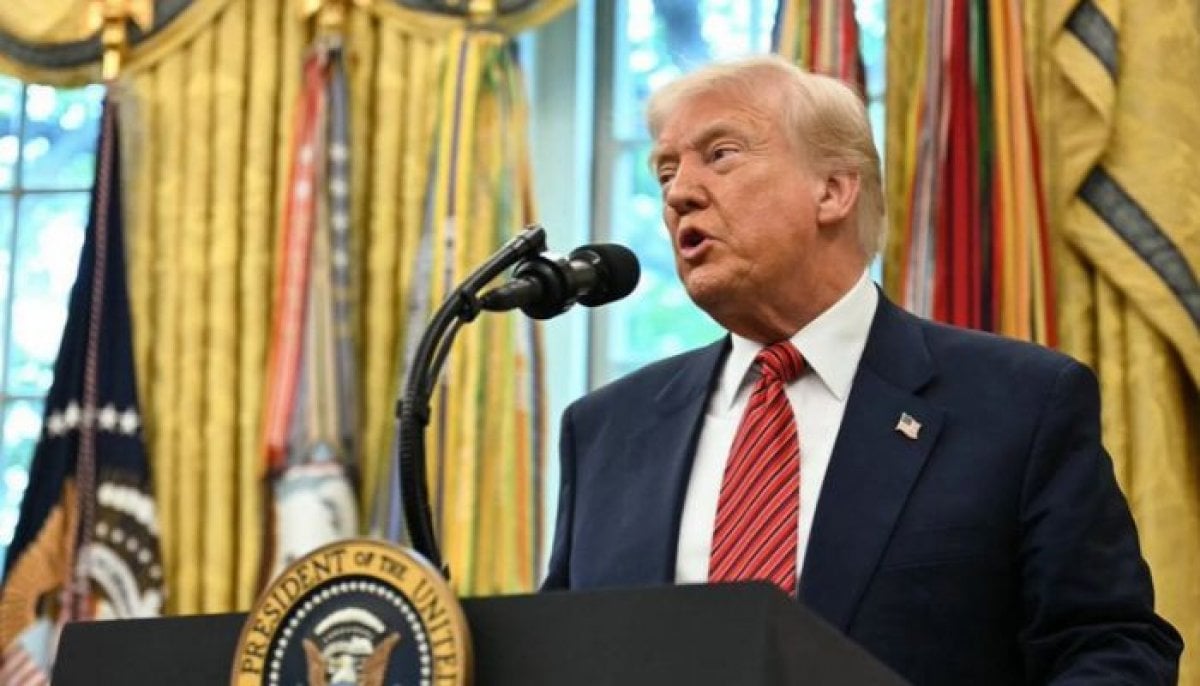
The U.S. Responded with a series of heavy strikes. On Sunday, CENTCOM announced it hit about 140 military targets, including ammunition dumps, communication equipment, and missile and drone launch sites. U.S. President Donald Trump described the operation in an interview with NBC's Meet the Press
, stating,
"We bombed the hell out of them last night,"
Donald Trump, U.S. President, via NBC
Iran retaliated by targeting U.S. Facilities and allies across the Gulf. The Iranian Revolutionary Guard claimed to have destroyed logistical support centers and refueling platforms at the Port of Duqm in Oman, as well as a command-and-control center and fighter aircraft maintenance center at the Al Udeid Air Base in Qatar. Other strikes targeted Jordan, Bahrain, and Kuwait. Jordan's military reported shooting down four Iranian missiles with zero casualties, while Kuwait's Defence Ministry reported that three northern border posts and an offshore oil platform were hit, injuring one worker.
On Monday, the U.S. Military launched another wave of offensive strikes targeting air defense systems, radar sites, and small boats. This brought the total number of targets struck in Iran at the direction of President Trump to more than 300, according to Reuters. In Iran, state-run IRNA news agency reported attacks in Markazi, Khuzestan, and Hormozgan provinces, with at least two people killed. Separate reports indicated strikes in Sistan and Baluchestan province.
The conflict centers on the control of the Strait of Hormuz. Iran created a new government agency, the Persian Gulf Strait Authority, to coordinate transit and collect tolls, asserting the waterway is Iranian territory. The U.S. Military and President Trump rejected these claims, insisting the strait remains an open international waterway. Tensions were further heightened as the U.S. Encouraged vessels to use a southern route hugging the Omani coast, a move Iran claimed violated a memorandum of understanding signed last month.
Diplomatic efforts to stabilize the region are struggling. The two nations are nearly at the midway point of a 60-day interim deal intended to establish talks for a permanent end to the war. However, President Trump suggested last week that this deal was over
. The instability is compounded by the recent ascent of Iran's new supreme leader, Ayatollah Mojtaba Khamenei. In his first statement since the funeral of his father, Ayatollah Ali Khamenei — who was killed in U.S.-Israeli airstrikes in February — the new ayatollah vowed that Iranians would avenge the killing.
The economic fallout was immediate. European shares opened lower on Monday, with the pan-European STOXX 600 index falling 0.3% to 639.29. While oil prices rose over 4% following the escalation, they remain below wartime highs of $120 a barrel.
United Nations Secretary-General António Guterres urged both sides to return to negotiations, warning that
"A return to full-scale hostilities would have catastrophic consequences,"
António Guterres, UN Secretary-General, via Statement
Beyond the primary conflict, other regional tensions persisted. A base belonging to the Kurdistan Freedom Party in Iraq's northern Kurdistan region came under drone attack on Monday. Additionally, U.S. Representative Ro Khanna reported being threatened by armed Israeli settlers during a visit to the occupied West Bank, an incident the Israeli military denied interfered with his exit.
Mediators from Pakistan, Qatar, and Egypt continue to seek a final agreement. Pakistan's foreign minister has urged de-escalation, and Iran and Oman have agreed to continue discussions regarding the security of shipping through the strait.
How significant is this development?
Participate in our community survey on the trajectory and real-world impact of this news.