US launches more strikes on Iran, escalating clashes over Strait of Hormuz
US launches more strikes on Iran, escalating clashes over Strait of Hormuz
- Headline Dispatch: US launches more strikes on Iran, escalating clashes over Strait of Hormuz
- Core Takeaway: US launches more strikes on Iran, escalating clashes over Strait of Hormuz
- Source Synthesis: Continuous live monitoring aggregated across major news wires and independent bureaus.
US launches more strikes on Iran, escalating clashes over Strait of Hormuz
The United States launched several waves of strikes on Iran, escalating clashes over the Strait of Hormuz, a critical waterway that has become a key issue in the conflict between the two countries. The US military's Central Command said it hit some 140 targets in the strikes, including missile and drone launch sites, ammunition dumps, communication equipment, and other sites.
The strikes were in response to an Iranian attack on a container ship in the Strait of Hormuz that set it ablaze and left a crew member missing. Iran retaliated by targeting countries across the Middle East, including Bahrain, Kuwait, Qatar, Jordan, and Oman. The Iranian paramilitary Revolutionary Guard acknowledged in a statement that it had begun a new round of strikes across the Middle East.
The US and Iran are nearly at the midway point of the 60-day period of their interim deal, which was supposed to set up talks for a permanent end to the war. However, the deal has devolved into a series of attacks over the strait and its future, worrying world leaders that the Iran war could resume. United Nations Secretary-General António Guterres said, "A return to full-scale hostilities would have catastrophic consequences."
The US military said it was seeking "to degrade" Iran's "ability to attack commercial ships freely transiting" the strait. The statement came after a third round of strikes late Sunday night and into Monday in Iran. Iranian state media acknowledged the latest attacks early Monday, describing explosions in several locations.
Iran described the strait as being closed, while the US military and President Donald Trump asserted that the strait remained open. Iran has used attacks on vessels in the region to intimidate shippers into not traveling through the waterway. However, the US military has provided support to vessels moving along a southern route hugging the coastline of Oman, which has angered Iran.
The conflict has caused global economic shockwaves since it began in late February, driving energy prices higher and fueling global inflation. Oil prices, which had tumbled since the announcement of the agreement, rose more than 3.5% when futures trading opened on Monday in Tokyo, with the US benchmark WTI jumping above $74 a barrel.
Iran has sought to establish a permanent system for collecting fees in the strait, which carried a fifth of the world's oil and liquefied natural gas shipments before the war. The US, which revoked the license authorizing the sale of Iranian crude oil on Tuesday, said its forces were positioned to safeguard freedom of navigation despite what it described as "aggression, harassment, threats, and arbitrary declarations" from Iran.
President Donald Trump suggested last week that the interim deal in the war was "over." But mediators, including Pakistan, Qatar, and Egypt, have continued efforts to reach a final agreement to end the war. A regional official involved in mediation said efforts to shore up the ceasefire continued Sunday. Pakistan said its foreign minister spoke by phone with Iran's top diplomat and urged "de-escalation" on both sides.
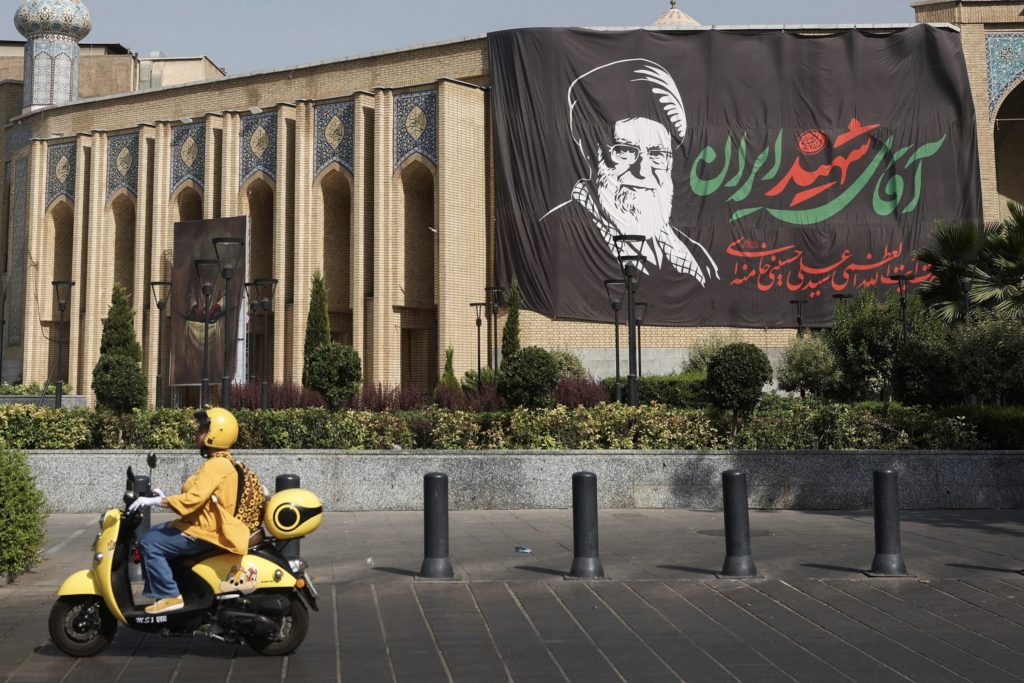
Iran's new supreme leader, Ayatollah Mojtaba Khamenei, unseen since the war began, on Saturday vowed in his first statement since the funeral of his father, Ayatollah Ali Khamenei, that Iranians would avenge his killing.
How significant is this development?
Participate in our community survey on the trajectory and real-world impact of this news.