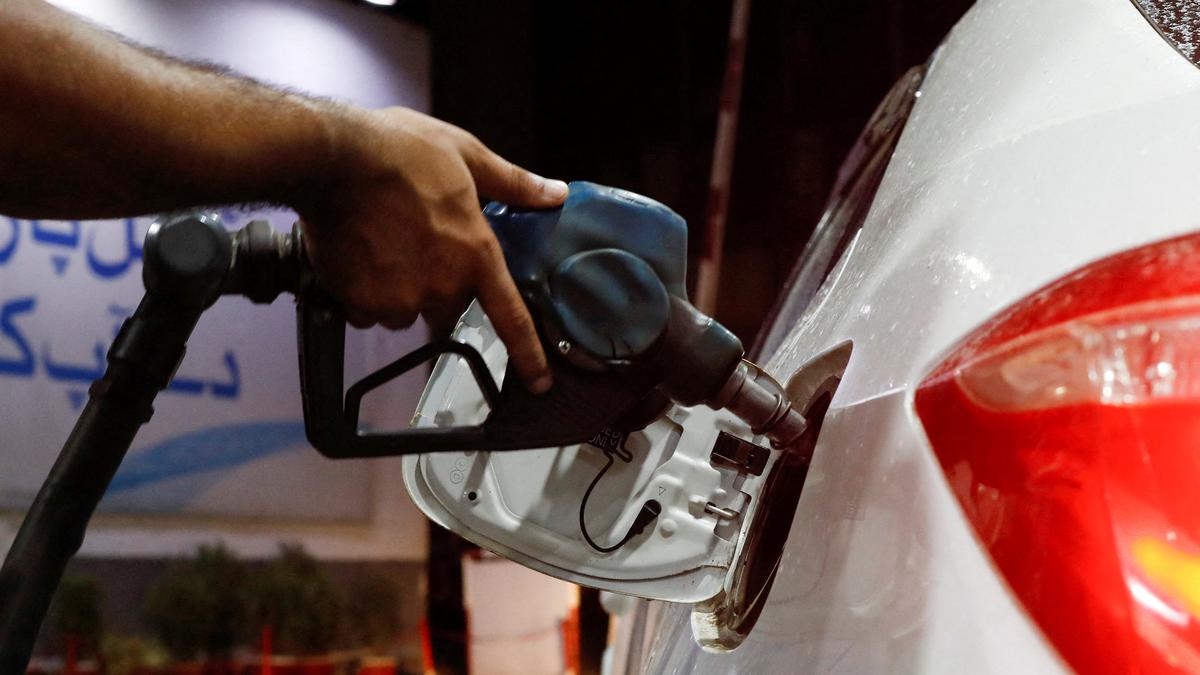
Pakistan Grapples with Record Fuel Prices, IMF Talks Intensify
Islamabad – Pakistan’s government is facing a deepening economic crisis, marked by record-high fuel prices and ongoing negotiations with the International Monetary Fund (IMF) for continued financial assistance. Petrol prices have soared to Rs458.40 per litre, and high-speed diesel now costs Rs520.35 per litre, representing the highest rates in the country’s history, The Frontier Post reported. These increases are directly linked to global oil market volatility, exacerbated by tensions in the Middle East.
Government Seeks IMF Flexibility
Prime Minister Shehbaz Sharif has directed the Finance Division to engage with the IMF to explore potential adjustments to the country’s petroleum levy structure. The aim is to mitigate the impact of rising global oil prices on consumers, particularly as Pakistan heads into the holy month of Ramadan. According to Pakistan Today, the government is seeking flexibility within the existing IMF program to avoid passing the full burden of international oil price hikes onto the public. The current levy stands at Rs100 per litre on petrol and Rs55 per litre on diesel, terms agreed upon as part of Pakistan’s ongoing IMF-supported economic program.
Subsidies Strain National Budget
The government has already absorbed a substantial financial burden to stabilize fuel prices, providing subsidies totaling Rs129 billion. This relief has been financed by cuts to the development budget and savings from other expenditure heads, demonstrating the government’s commitment to protecting citizens from the full impact of market volatility. However, this approach is unsustainable in the long term, and the IMF is urging Pakistan to move towards market-driven pricing to ensure fiscal stability. Geo.tv reported that the Prime Minister has instructed authorities to take all possible steps to ensure the burden is not passed on to consumers.
IMF Concerns Over Fuel Consumption
Despite the recent price increases, fuel consumption in Pakistan has not declined significantly, raising concerns among IMF officials. This suggests that demand remains relatively inelastic, and continued subsidies could prove costly. The IMF is emphasizing the importance of regular price adjustments to manage demand and limit the need for further subsidies. Data from the Pakistan Bureau of Statistics revealed that inflation reached a 17-month high in March, adding to the economic pressures facing the country, as noted by Energy Update.
Balancing Act: Economic Stability vs. Public Welfare
Pakistan is caught in a precarious balancing act between meeting its IMF obligations and protecting its citizens from economic hardship. The IMF’s conditions, while aimed at long-term fiscal stability, can exacerbate short-term economic pain. The government is exploring various options, including adjustments to the petroleum levy and potential tax reforms, to navigate this challenging situation. According to Times Now News, Pakistan is facing a real “catch-22” situation, weighing the need to appease the IMF against the potential for public unrest. The closure of the Strait of Hormuz, a critical oil transit route, continues to fuel concerns about global oil supply and prices, further complicating Pakistan’s economic outlook.
Budgetary Pressures and Future Hikes
The government has already finalized plans to increase electricity, gas, and petroleum prices starting in July 2026 as part of commitments made to the IMF, Samaa TV reported. This includes the implementation of a carbon levy on fuel and plans to borrow funds to repay existing debt. The recent increase in the petroleum levy to Rs161 per litre, as reported by The Express Tribune, signals a further tightening of fiscal policy and a willingness to implement measures demanded by the IMF. The situation remains fluid, and further price adjustments are likely as Pakistan continues to navigate this complex economic landscape.
IMF Progress and Ongoing Discussions
The IMF has acknowledged making “considerable progress” in talks with Pakistan regarding its funding facilities, however discussions are ongoing. The IMF is assessing the impact of recent global developments on Pakistan’s economy and the Extended Fund Facility (EFF) program. As Al Arabiya English reports, the outcome of these talks will be critical in determining Pakistan’s ability to address its economic challenges and secure continued financial support.
