The Australian government has filed a $2 billion lawsuit against 3M, the US multinational conglomerate, for damages linked to the presence of “forever chemicals”—specifically per- and polyfluoroalkyl substances (PFAS)—in firefighting foam used by military and emergency services. The suit, announced this week, alleges systemic contamination of water supplies, agricultural land, and public health across Australia, with officials citing decades of exposure risks tied to 3M’s production and distribution of PFAS-laden products.
What the Lawsuit Accuses 3M Of
The lawsuit hinges on three core claims, each backed by environmental studies and regulatory findings from Australian agencies. First, 3M is accused of knowingly manufacturing and distributing firefighting foams containing PFAS—chemicals that persist in the environment and human bodies for years, linked to cancer, immune disorders, and developmental issues in children. The second allegation targets deceptive marketing practices, where 3M allegedly downplayed the hazards of its products while internal documents (leaked in prior litigation) suggested awareness of long-term risks. Finally, the suit argues that 3M failed to provide adequate remediation for contaminated sites, leaving Australian states and territories to bear the cleanup costs, estimated in the billions.
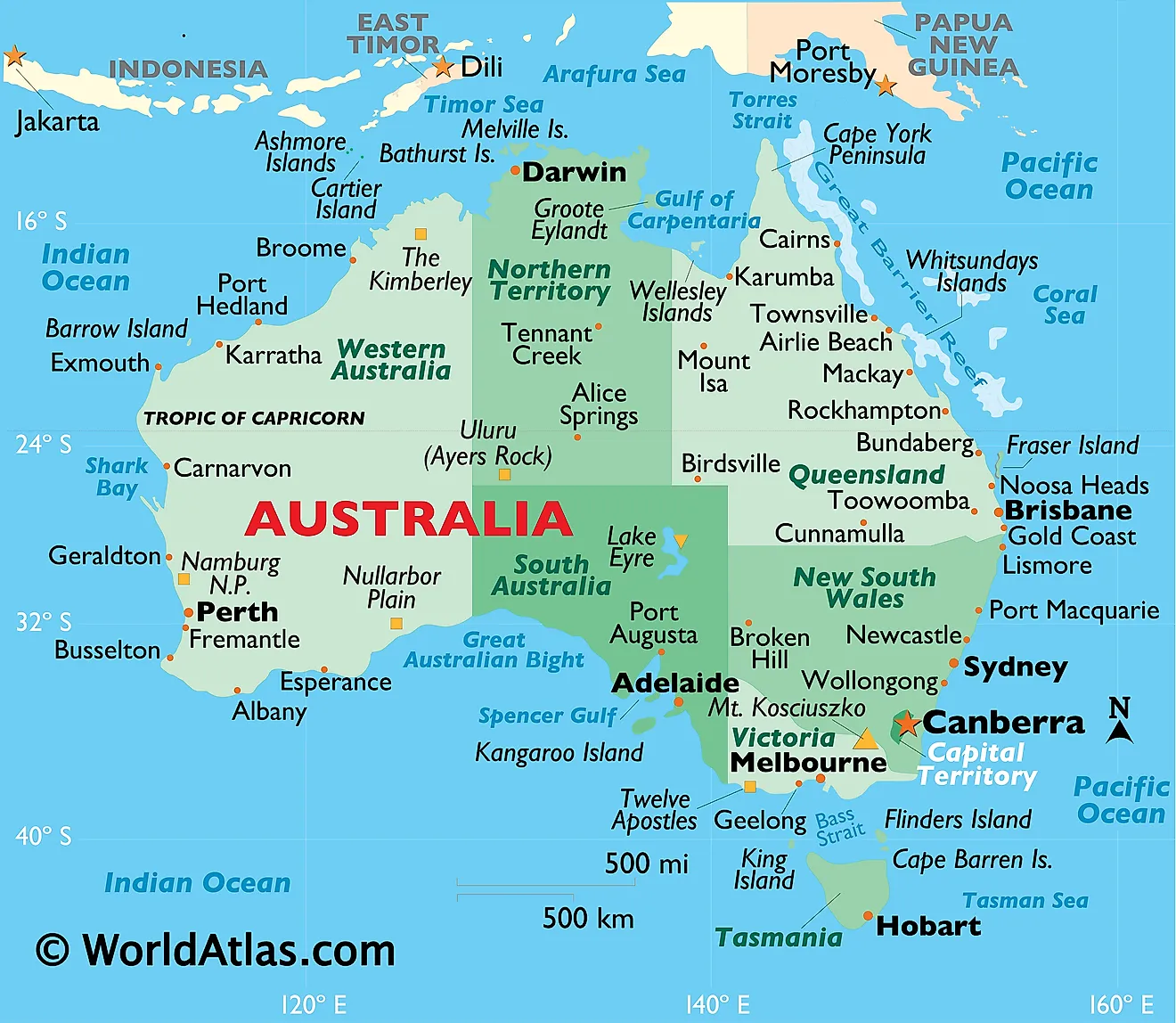
According to the Britannica profile of Australia, the country’s vast and sparsely populated regions—particularly the Murray-Darling Basin, a critical agricultural area—have been hotspots for PFAS contamination. The chemicals, used in firefighting foams at military bases and airports, have seeped into groundwater, affecting communities downstream. A 2024 report by the Australian government’s Department of Health (cited in the lawsuit) found PFAS levels in some water supplies exceeding safe drinking limits by factors of 10 to 100.
The $2 Billion Stakes: Who Loses, Who Wins?
The $2 billion figure isn’t arbitrary. It reflects three years of economic and health costs attributed to PFAS exposure, including:
- $1.2 billion in water treatment and infrastructure upgrades across affected regions.
- $600 million in healthcare expenses for PFAS-related illnesses, based on projections from the Australian Institute of Health and Welfare.
- $200 million in lost agricultural productivity due to contaminated soil and livestock exposure.

For Australia, the lawsuit is a test of corporate accountability in a region where multinational firms often face weaker regulatory scrutiny. While the US has seen aggressive state-level lawsuits against 3M, Australia’s legal system has historically been more deferential to foreign corporations. The $2 billion claim signals a shift—one that could embolden other nations to pursue similar actions. Meanwhile, 3M’s stock has already dipped by 3.2% since the lawsuit’s announcement, reflecting investor concerns over potential liabilities.
PFAS in Australia: A Continent-Scale Crisis
Australia’s geography—its vast deserts, remote military bases, and reliance on groundwater—has made it particularly vulnerable to PFAS spread. The chemicals, used in firefighting foams at facilities like RAAF Base Williamtown (New South Wales) and Amberley Airfield (Queensland), have contaminated water sources for millions. The World Atlas notes that Australia’s Central Lowlands, home to the Murray-Darling Basin, are now PFAS hotspots, with testing revealing levels up to 500 times the Australian Drinking Water Guideline for PFAS.
The crisis extends beyond water. In rural communities, farmers have reported declining livestock health and reduced crop yields in PFAS-affected areas. A 2024 study by the CSIRO (Australia’s national science agency) found PFAS in 90% of tested soil samples near former military training sites, with implications for food safety. The chemicals’ persistence—some PFAS compounds have half-lives of thousands of years—means cleanup will be a generational challenge.
3M’s Global PFAS Footprint: A Pattern of Settlements
Australia’s lawsuit isn’t an isolated case. Since 2020, 3M has faced over 10,000 lawsuits worldwide, with settlements totaling $12 billion across the US, Canada, and Europe. The pattern is striking:
- 2020: 3M settled with Minnesota over PFAS contamination in drinking water for $850 million.
- 2021: A class-action lawsuit in New Hampshire resulted in a $100 million payout.
- 2022: The landmark $10.35 billion US settlement covered claims from 35 states.
- 2024: 3M agreed to pay $1.185 billion to settle PFAS lawsuits in Michigan and Ohio.
What Comes Next: Legal Battles and Political Fallout
The Australian lawsuit will likely drag on for years, with 3M expected to mount a defense centered on shared responsibility—arguing that PFAS were widely used by military, industrial, and consumer sectors, not just 3M. Legal experts predict three key phases:
- Discovery (2026–2027): Both sides will exchange evidence, including internal 3M documents and health studies. Australia’s case will hinge on proving negligence and direct harm.
- Trial (2028): If settlement talks fail, the case could go to court, with Australia seeking to set a precedent for global PFAS accountability.
- Appeals and Enforcement (2029+): Any ruling could trigger follow-on lawsuits from states, Indigenous communities, and affected industries.
For now, the focus remains on the $2 billion claim—a figure that, if successful, would make it one of the largest environmental settlements in Australian history. But the real story is broader: Australia’s lawsuit is a wake-up call for how nations with weaker PFAS regulations can still hold multinationals accountable. As one environmental lawyer told The Sydney Morning Herald, “This isn’t just about money. It’s about forcing corporations to finally take responsibility for the chemicals they’ve dumped into our environment for decades.”
The next 12 months will reveal whether Australia’s gamble pays off—or if 3M can weather another storm in its long history of PFAS litigation.
