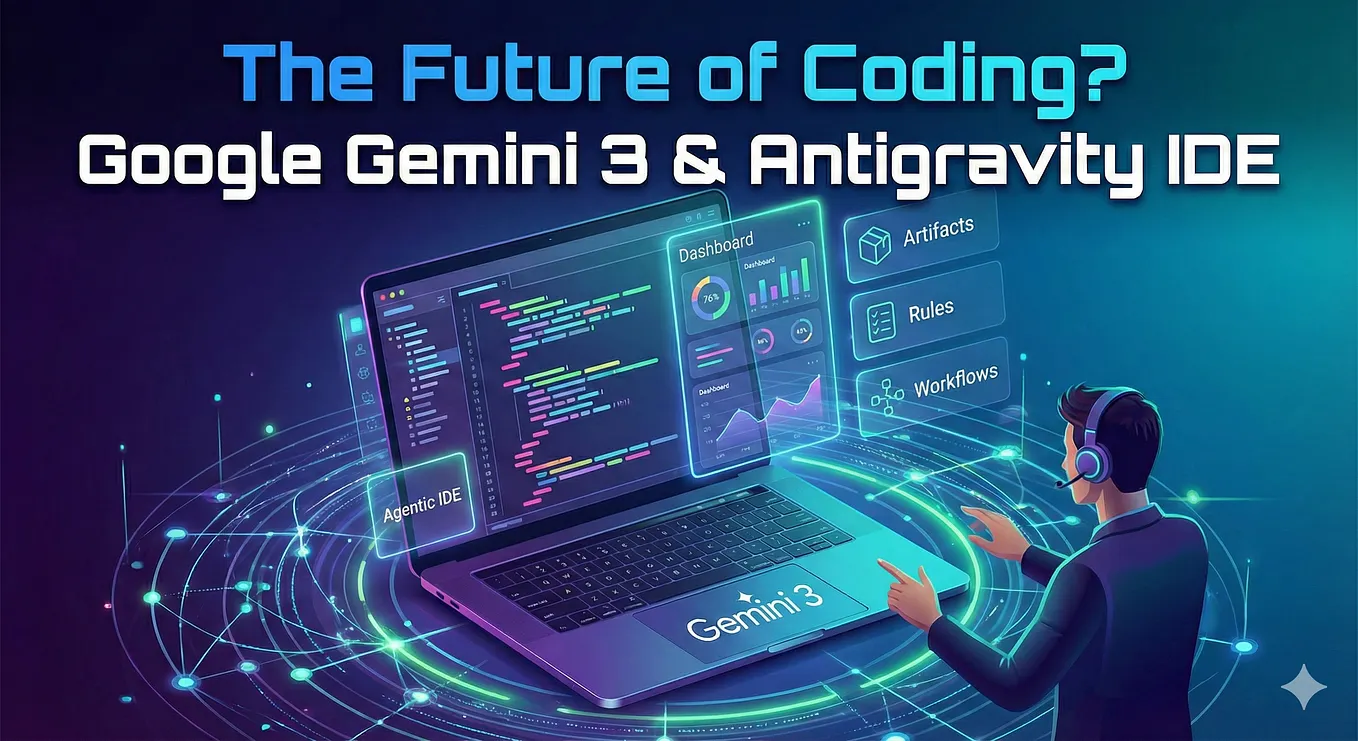
Google I/O 2026, kicking off May 19, will showcase new AI tools and models—including the next iteration of its Gemini series—with select features available for free trials, according to developer and industry reports. The event, livestreamed globally, marks another step in Google’s push to integrate AI across its ecosystem, from Android to Chrome, with a focus on developer accessibility.
Google I/O 2026: Free AI Tools and Models in Focus
Google’s annual developer conference, Google I/O 2026, has already set expectations for a major AI-centric announcement: a new version of its Gemini models, likely the 3.5 series or beyond, will take center stage. While specifics remain under wraps, reports confirm that Google will emphasize free access to new tools and models, aligning with its strategy to democratize AI development. This year’s event, running May 19–20, will feature keynotes, demos, and “Dialogues” sessions exploring AI’s future—with a particular focus on how developers can build modern, performant apps using Google’s updated platforms.
According to Mashable, attendees and livestream viewers can expect a “major Gemini model update”—widely anticipated to be a cornerstone of Google’s product roadmap. The company has already embedded Gemini across its suite, from Search to Workspace, and any new iteration will likely expand its reach. Additionally, Google’s Antigravity platform, an agent-first development environment, will receive upgrades to streamline AI-driven workflows. Developers will have early access to these tools, with some features potentially available for free trials during or after the event.
What’s New for Developers?
- Gemini 3.5+ Series: A next-generation model, possibly named Gemini 4.0 or an intermediate version, will be unveiled. While pricing details are scarce, past trends suggest Google will offer free tiers for developers to test capabilities, particularly in areas like code generation, natural language processing, and multimodal tasks. The Google Developers Blog confirmed that Antigravity will now “orchestrate and build agents” more efficiently, reducing barriers for developers integrating AI into apps.
- Android and Web Development Tools: Google will demonstrate new tools for building modern, performant Android and web apps using AI agents. These may include updated SDKs, debugging tools, and templates—some of which could be released as free resources. The event’s focus on “agent-first development” suggests a shift toward autonomous AI assistants that handle complex tasks, from UI design to backend logic.
- AI Studio and Coding Environments: Following last year’s Android XR and smart glasses announcements, this year’s event may introduce free access to AI-powered coding tools, such as an Android version of Google’s AI Studio. The The Verge reported that Google is launching “an Android version of its AI Studio vibe coding tool,” though specifics on free availability remain unclear. If confirmed, this would align with Google’s broader push to make AI tools accessible to non-experts.
Free Trials and Accessibility: What to Expect
Google has historically offered free tiers or trial periods for major AI releases to encourage adoption. For example, past I/O announcements—such as the Gemini 1.5 Pro in 2025—came with limited free access for developers. This year, the focus appears to be on scalability and integration, with tools designed to work seamlessly across Google’s ecosystem.
- Developer-First Approach: Tools will prioritize ease of use, with drag-and-drop interfaces and pre-built templates for common tasks. The Google Developers Blog emphasized **”making it easier than ever for agents to help you build modern and performant apps.”
- Cross-Platform Integration: Free tools will likely support Android, web, and Chrome, with APIs for third-party developers. This aligns with Google’s strategy to unify its platforms under AI-driven workflows.
- Safety and Testing: Some tools may be released in beta or limited free tiers to monitor performance and safety before wider rollout. Mashable noted that this approach **”makes sense from a business and AI safety perspective.”
Beyond the Keynote: What’s Next for Google’s AI?
- Agent Orchestration: Antigravity’s upgrades suggest Google is betting heavily on autonomous AI agents that can handle end-to-end development tasks. This could include tools for automated testing, deployment, and even creative design.
- Hardware Integration: Last year’s teases of Android XR glasses and a Samsung/Qualcomm collaboration hint at deeper AI-hardware synergy. Expect announcements on how these devices will interact with free developer tools, possibly through cloud-based AI services.
- Enterprise and Workspace Adoption: Gemini’s expansion into Google Workspace (Docs, Sheets, Meet) suggests free or discounted tiers for businesses. Developers may see new APIs to embed AI into enterprise applications.
One uncertainty remains: how long free trials will last. Past examples, like Google’s AI Test Kitchen, offered limited-time access to experimental tools. Whether this year’s free offerings follow the same model—or become permanent tiers—will likely be clarified in post-I/O blog posts or developer forums.
How to Access the Free Tools
- Attend or Watch the Livestream: The Google I/O 2026 keynote and sessions will be available at io.google, with live updates on Google’s official channels.
- Check Developer Resources: Google will likely announce free access via the Google Developers Blog or AI Studio platform. Past tools, such as Gemini API credits, were distributed through these channels.
- Join Beta Programs: Some tools may require sign-ups for early access. Google’s Android Developer Portal and Web.dev often host beta programs for new technologies.
As of May 20, 2026, no official list of free tools has been released.

- API credits for testing Gemini models.
- Free templates for Android and web app development.
- Limited-time access to beta versions of AI Studio or Antigravity features.
What’s Uncertain—and Why It Matters
- Pricing Models: Will free tiers be permanent, or will they sunset after a trial period? Google’s past approach has favored usage-based pricing for AI models, but developers may push for more predictable costs.
- Hardware Limitations: Tools tied to Android XR or smart glasses may require specific devices, limiting free access. Google has not confirmed whether these will be available to the general public at launch.
- Regulatory Hurdles: AI tools, especially those handling sensitive data, may face compliance reviews before full release. Developers should monitor updates from Google’s AI Principles team for guidance.
The broader implication is clear: Google is doubling down on AI as a development platform, not just a feature. By offering free tools, the company is not only driving adoption but also gathering real-world data to refine its models. For developers, this presents an opportunity—but also a responsibility to stay ahead of rapidly evolving tools and potential pitfalls.
As the event unfolds, one thing is certain: Google’s I/O 2026 will redefine what’s possible with AI—for free. The challenge for developers will be separating the hype from the tools that truly change the game.
