
A U.S. grand jury on May 21, 2026, indicted former Cuban President Raúl Castro on murder and conspiracy charges linked to the 1996 shootdown of two civilian planes, marking the first time a former Cuban leader faces American criminal charges over the killings of four exile pilots.
Indictment Unsealed Amid Decades of Impunity
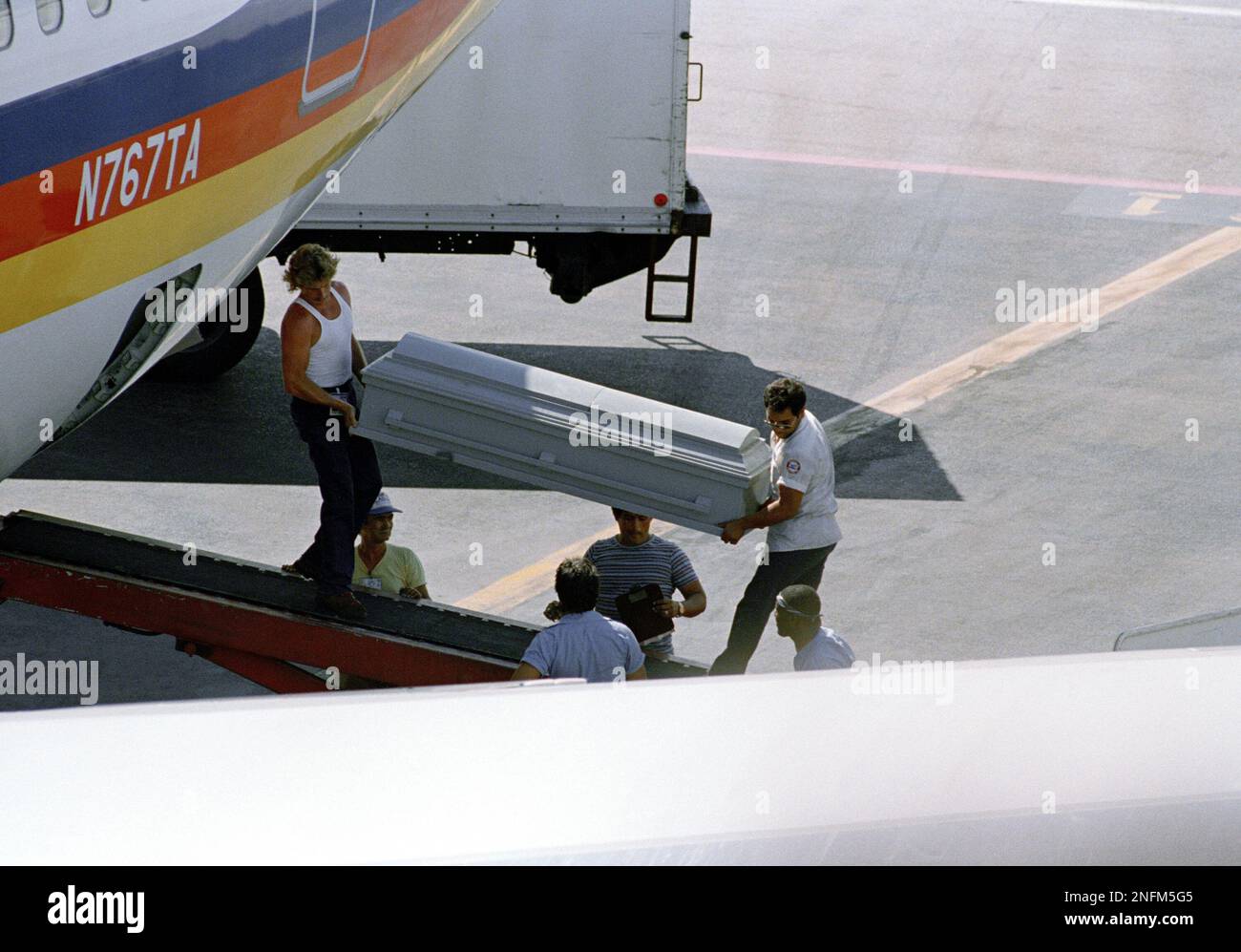
The Justice Department formally charged Raúl Castro—brother of the late revolutionary Fidel Castro and Cuba’s president from 2008 to 2018—with one count of conspiracy to kill U.S. nationals, four counts of murder, and two counts of destruction of aircraft. The indictment, unsealed in Miami, focuses on the February 1996 downing of two planes operated by the Florida-based exile group Hermanos al Rescate (Brothers to the Rescue), which killed all four crew members. Prosecutors allege the shootdown occurred outside Cuban airspace, violating international law.
The charges were announced at a press conference in Miami’s Freedom Tower, where acting Attorney General Todd Blanche framed the indictment as a response to decades of unanswered questions. For nearly 30 years, the families of four murdered Americans have waited for justice
, Blanche stated. Todd Blanche, acting Attorney General The indictment names Castro alongside five Cuban fighter pilots, including one previously charged in the case.
Cuba’s foreign ministry has not responded publicly, but the move underscores a broader U.S. strategy under President Donald Trump to target the Cuban regime through legal and economic pressure. The indictment follows a 2020 precedent when former Venezuelan President Nicolás Maduro was charged with drug trafficking, though neither Maduro nor Castro is expected to face trial—Cuba does not extradite its citizens.
Context: A Cold War Flashpoint Revisited
The 1996 shootdown remains one of the most contentious episodes in U.S.-Cuba relations. The exile group’s flights, which monitored Cuban airspace and dropped anti-government leaflets, were deemed a provocation by Havana. At the time, Castro—then Cuba’s defense minister—oversaw the military’s response. The incident escalated tensions between the two nations, with the U.S. imposing sanctions and the UN General Assembly later condemning the shootdown as a violation of international law.
Castro, now 94, has not been seen in public since appearing in Cuba earlier this month. Legal experts note that while the indictment is symbolic—given Cuba’s refusal to extradite—it aligns with Trump’s hardline approach to Cuba, which includes renewed travel restrictions and economic blockades. The timing, coinciding with Cuba’s Independence Day, amplifies the political messaging.
Historically, the U.S. has pursued legal action against Cuban officials for human rights abuses and drug trafficking, but this is the first time a former head of state faces murder charges in an American court. The indictment also revives debates over accountability for state-sponsored violence, particularly in Latin America, where such cases often go unpunished.
Legal and Political Ramifications
The indictment carries no immediate legal consequences for Castro, but it signals a shift in U.S. strategy toward Cuba. Legal scholars caution that the case may face procedural hurdles, including jurisdiction and Cuba’s refusal to cooperate. However, the move could embolden human rights groups and exile communities pushing for justice.
In a separate but related development, the U.S. has intensified pressure on Cuba through sanctions tied to alleged drug trafficking and human rights violations. The indictment against Castro follows a pattern of targeting high-profile figures—such as Maduro—to isolate the Cuban government diplomatically and economically.
Cuba’s response, if any, will likely focus on rejecting the U.S. claims as politically motivated. The government has long framed such incidents as defensive actions against perceived threats. Meanwhile, Cuban exiles in Florida, who have long demanded accountability, see the indictment as a long-overdue step, though they acknowledge the challenges of securing a conviction.
What Comes Next?
The indictment is unlikely to lead to Castro’s arrest or trial, but it could influence ongoing U.S. policy toward Cuba. Legal observers suggest the case may serve as a precedent for future actions against other foreign leaders accused of human rights violations. For now, the focus remains on the symbolic weight of the charges and their potential to reshape the narrative around Cuba’s leadership.
As the story develops, key questions include whether the U.S. will pursue additional charges against other Cuban officials and how Cuba’s government will respond—diplomatically, legally, or through public statements. The indictment also raises broader questions about the limits of international law when powerful states refuse to cooperate with foreign legal systems.
For families of the victims, the indictment offers a measure of closure, even if justice remains out of reach. The case underscores the enduring tensions between the U.S. and Cuba, where Cold War-era conflicts continue to shape modern geopolitics.
