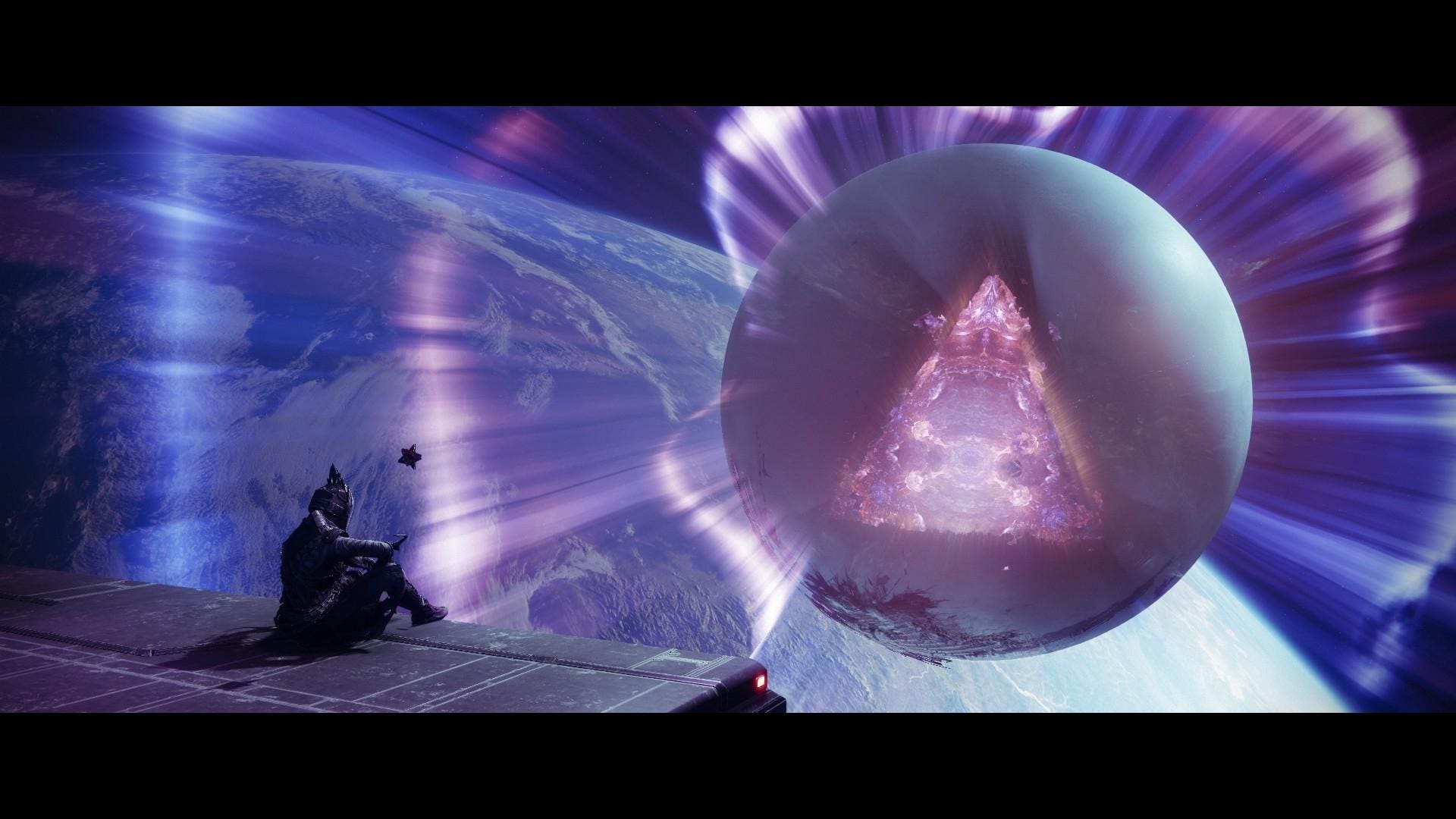
Bungie announced on May 21, 2026, that Destiny 2 will cease active development following a final content update scheduled for June 9, 2026. The studio will transition away from the live-service model for its long-running title to focus on incubating new game projects, effectively ending the game’s era of seasonal expansions.
The Final Update and the Monument of Triumph
The upcoming June 9 update, dubbed the Monument of Triumph, marks the conclusion of nearly nine years of live-service support for the title. Unlike previous seasonal drops, this release serves as a farewell to the series’ current iteration. According to Kotaku, the update will not introduce new story content in the traditional sense, but will instead focus on bringing closure through easter eggs, revised loot, and the return of the Director screen menu, a feature players have requested since its removal last year. The studio intends to provide a retrospective experience, allowing players to revisit legacy environments that have been vaulted or otherwise inaccessible in recent configurations of the game.
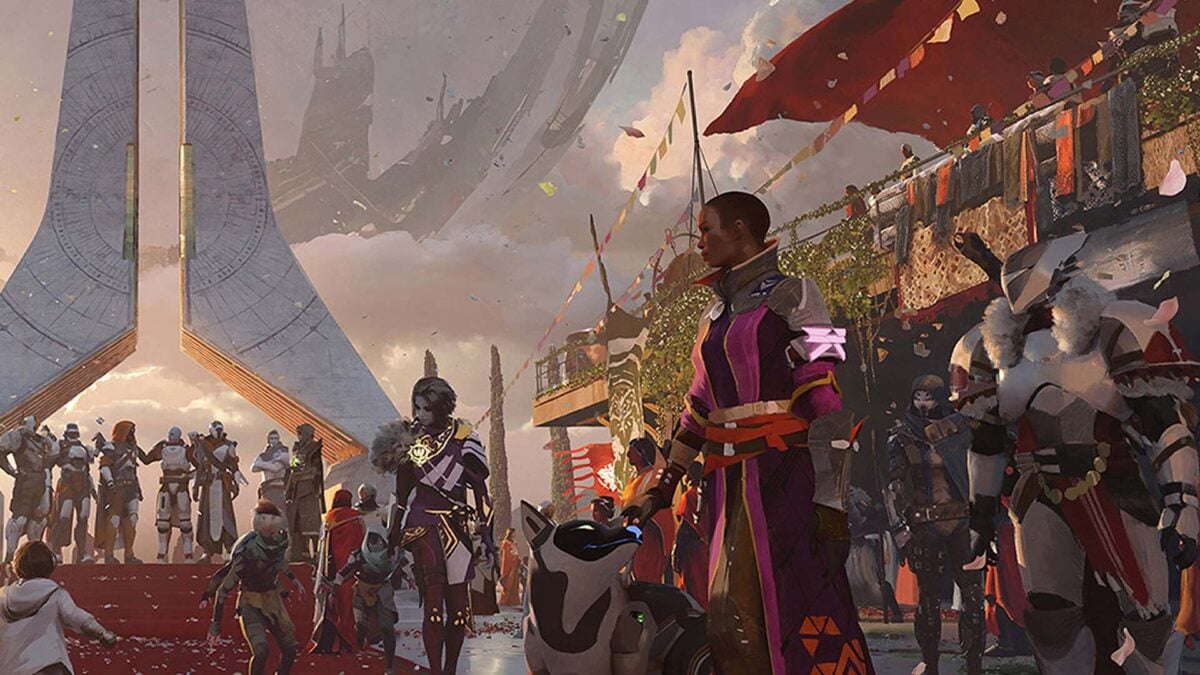

Bungie has framed the update as a broader celebration of the game’s history, moving beyond the standard annual cycle of chapters. As the studio stated in a recent blog post: “Each year since launch, Moments of Triumph celebrated highlights from Destiny 2’s most recent chapter. This time, the Monument of Triumph update will broaden that celebration, bringing together experiences from across Destiny 2.” This shift aims to consolidate the game’s vast history into a single, accessible experience for the remaining player base before the transition to maintenance mode.
The update also includes technical additions, such as a new Pantheon featuring fresh bosses and updated grenade abilities. These combat adjustments represent the final balance tuning for the game, as the design team shifts its focus to the studio’s future projects. While active development will cease, the studio confirmed that the game will remain playable, mirroring the current status of the original Destiny. The company has teased that fans will be “the first to know” should any further developments regarding the franchise emerge, though no future Destiny titles have been confirmed, as reported by Forbes.
Financial Pressures and the Marathon Pivot
The decision to move Destiny 2 into maintenance mode follows a period of intense financial volatility for Bungie. Following its 2022 acquisition by Sony in a deal valued at $3.6 billion, the studio has faced significant hurdles. IGN reported that Sony recorded a 120.1 billion yen—approximately $765 million—impairment loss against Bungie’s assets during the financial year ending March 31, 2026. This followed a previous impairment charge of 31.5 billion yen, or about $204.2 million, attributed to the underperformance of Destiny 2 in the second quarter of the fiscal year.
The financial reports highlight a significant misalignment between the projected revenue of the live-service model and the actual player engagement metrics observed during the 2025 and 2026 fiscal periods. The impairment losses, which reflect a reduction in the recoverable amount of Bungie’s assets, underscore the difficulty the studio experienced in maintaining a consistent monetization strategy as the core player base matured and demand for new seasonal content fluctuated.
Industry analysts have pointed to the diversion of resources toward Marathon as a primary factor in the decline of Destiny 2’s content output. The extraction shooter has struggled to gain traction, with performance metrics reportedly falling below expectations. The resulting “content gap” left players without meaningful updates for six months, exacerbating the identity crisis the game faced after the conclusion of its “Light and Darkness” story arc in 2024. This strategic pivot, while intended to diversify Bungie’s portfolio, appears to have strained the studio’s internal capacity to support the demanding, high-cadence development schedule required for a successful live-service title like Destiny 2.
A Shift Toward New Beginnings
Bungie’s official communication emphasizes a desire to move forward, describing the transition as a necessary step for the studio’s evolution. In a statement released on social media, the company expressed gratitude for the community that supported the game since its launch. “While our love for Destiny 2 has not changed, it has become clear that after The Final Shape, we have reached the time for our shared worlds, and Destiny, to live beyond Destiny 2. As our focus turns towards a new beginning for Bungie, we will begin work incubating our next games,” the statement read.
For the player base, the news brings a definitive end to speculation regarding the game’s longevity. With no Destiny 3 in development and the studio’s headcount reduced by previous rounds of layoffs, the path forward appears centered entirely on the studio’s ability to successfully launch new intellectual properties. The shift leaves the future of Bungie’s workforce and its continued relationship with Sony in a state of uncertainty, as the studio attempts to pivot away from the franchise that defined its output for the past decade.
The transition to maintenance mode essentially means that while the servers will remain operational, the infrastructure for patches, seasonal events, and new narrative content will be decommissioned. This move effectively closes the book on the “Light and Darkness” saga, a narrative arc that spanned multiple releases and shaped the identity of the studio for nearly ten years. As Bungie moves into this incubation phase, the industry will be watching to see if the studio can replicate the cultural impact of its previous work while under the increased financial scrutiny of its parent company, Sony.
