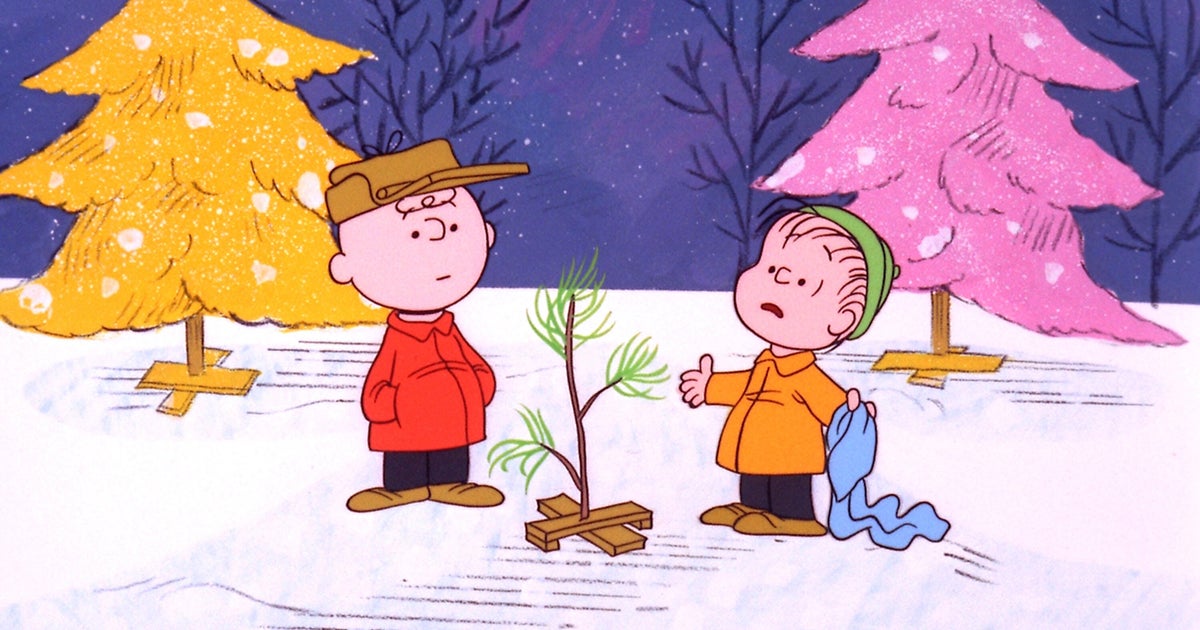
“The owner of the music from ‘A Charlie Brown Christmas’ has launched four lawsuits against the U.S. Department of the Interior, Heritage Auctions, Buckle-Down Inc., and GameMill Entertainment, alleging unauthorized use of Vince Guaraldi’s iconic compositions. The legal actions, filed in New York and Washington, D.C., center on alleged copyright violations involving songs like ‘O Tannenbaum’ and ‘Linus and Lucy’ across social media, video games, and promotional materials.”
“Lee Mendelson Film Productions, the company behind the 1965 ‘A Charlie Brown Christmas’ and subsequent ‘Peanuts’ TV specials, claims the defendants exploited its intellectual property without licensing.
Allegations Against Government and Corporate Defendants
“Conflict Escalation: What Each Source Reports”
The U.S. Department of the Interior faces allegations that it used Guaraldi’s ‘O Tannenbaum’ arrangement in a digital holiday card shared on social media. While the department declined to comment, the lawsuit argues this constitutes unauthorized commercial use of copyrighted material. CBS News and KSL both report that the Interior Department’s response was limited to a standard “no comment” statement, leaving the legal merits unchallenged in public discourse.

Heritage Auctions, another defendant, is accused of leveraging ‘Linus and Lucy’—a song that has become synonymous with the ‘Peanuts’ brand—in social media promotions for collectibles. Christina Rees, a representative for the auction house, stated, “At this time, Heritage has not been served with or reviewed the complaint. If and when we receive it, we will review the allegations and respond as appropriate.” This response, echoed in both sources, underscores the company’s defensive posture amid the litigation.
The video game publisher GameMill Entertainment is the only defendant explicitly named in the Evidence Ledger, with the plaintiff seeking $300,000 in damages. The lawsuit alleges that GameMill’s 2025 title “Snoopy & The Great Mystery Club” violated copyright by creating “copycat versions” of Guaraldi’s music, including “Linus and Lucy” and “Skating.” The company’s failure to seek licensing, according to the complaint, represents a “pattern of digital glut” that the plaintiff claims has become “intolerable.”
Legal Strategy and Historical Significance
“Legal Strategy and Cultural Context”
Attorney Marc Jacobson, representing Lee Mendelson Film Productions, emphasized the case’s broader implications: “The rights of creators and the protection of iconic cultural assets must be vigorously enforced.” This statement, cited in both sources, frames the lawsuits as a bid to set a precedent for copyright adherence in an era of rapid digital sharing. The firm’s decision to act comes after what it describes as a “sweeping” rise in unauthorized use of its music, particularly on platforms like Facebook and Instagram.
The historical significance of Guaraldi’s work cannot be overstated. His compositions for ‘A Charlie Brown Christmas’ not only defined the special’s tone but also became cultural touchstones. The lawsuit highlights how these works, created in 1965, continue to hold commercial value decades later. Lee Mendelson Film Productions, founded by the producer who collaborated with Charles Schulz and Bill Melendez, has long been the guardian of this legacy.
Complexities of Fair Use and Licensing
“Reactions and Unanswered Questions”
While Heritage Auctions and Buckle-Down Inc. have yet to issue detailed responses, the lawsuits have sparked debate about the boundaries of fair use in the digital age. The ‘Peanuts’ franchise, owned by Peanuts Worldwide LLC, is not a party to the suits, raising questions about the division of rights between character ownership and musical copyright.
The cases also raise practical concerns for businesses. For instance, Buckle-Down Inc., a belt company, faces claims that its ‘Peanuts’-themed products infringed on the music’s use in social media campaigns. This suggests a broader issue: how companies navigate the fine line between thematic inspiration and direct copyright infringement.
Future Implications for Intellectual Property
“Next Steps and Broader Implications”
The lawsuits are pending in federal courts, with no trial dates announced. If successful, the cases could establish stronger legal protections for vintage cultural works, particularly those tied to nostalgic brands. However, they also risk chilling creative reinterpretations of classic content, as seen in the video game and collectibles industries.

For the U.S. government, the case may test the limits of its ability to use copyrighted material for public outreach. While the Interior Department’s use of ‘O Tannenbaum’ was likely unintentional, the lawsuit underscores the need for clearer guidelines on public-sector copyright compliance.
As the legal battle unfolds, the outcome could redefine how cultural assets are managed in the 21st century. The stakes are high: for creators, it’s about preserving value; for businesses, it’s about navigating complex licensing landscapes; and for the public, it’s about the enduring legacy of a musical tradition that has shaped generations.
“Sources:
CBS News
<a href="https://www.ksl.
““The rights of creators and the protection of iconic cultural assets must be vigorously enforced.
““At this time, Heritage has not been served with or reviewed the Ultimately, this litigation will determine the extent to which iconic intellectual property is protected when utilized in government outreach and commercial content within an increasingly digital and interconnected media landscape.
