Diplomatic Mediation Efforts in Tehran

The path to a potential ceasefire has intensified this week as Tehran evaluates the latest U.S. proposal. According to the semiofficial ISNA news agency, the current diplomatic exchange has “reduced the gaps to some extent” between the two nations, sparking cautious optimism that a memorandum of understanding could be finalized soon. The process is being facilitated by Pakistan, with Army Chief Field Marshal Asim Munir reportedly traveling to Tehran on Thursday to aid in the mediation of messages between the two sides.
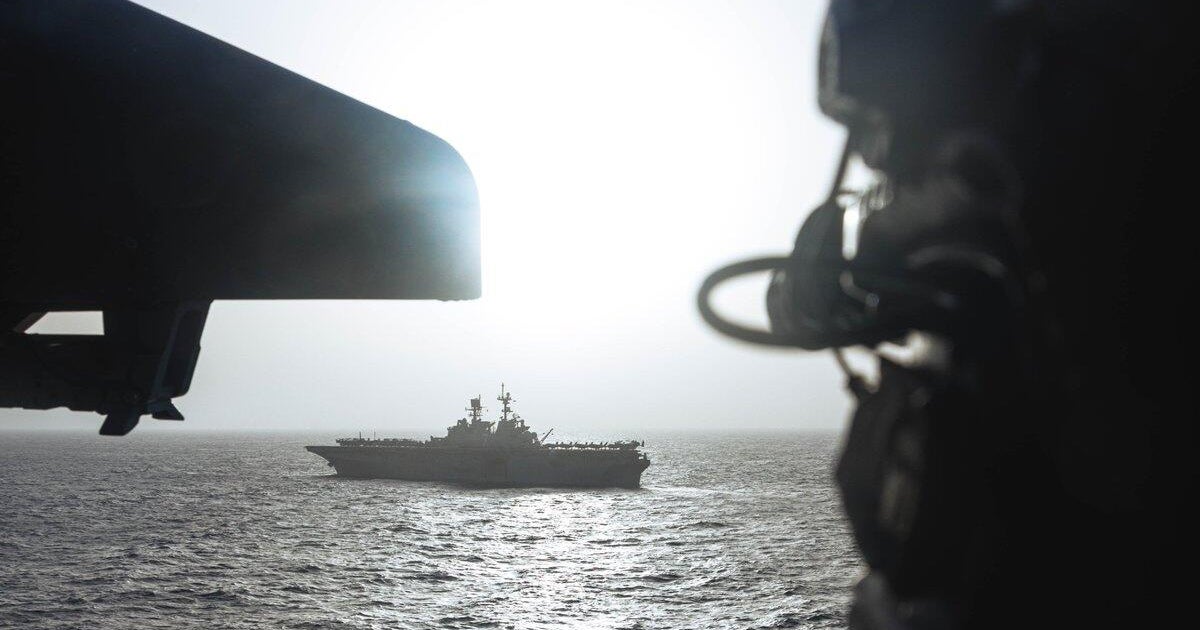
This diplomatic push follows months of volatility. Since the conflict began with U.S. and Israeli airstrikes on Feb. 28, the Strait of Hormuz—a vital maritime chokepoint through which roughly 20% of the world’s oil and liquefied natural gas previously flowed—has remained largely blockaded. The resulting disruption has kept global energy markets on edge, with international benchmark Brent crude hovering at approximately $107 per barrel, according to recent reporting by NBC News.
Presidential Ultimatum and Regional Strategy
President Trump has framed the current negotiations as being in their “final stages,” yet he has maintained a dual-track approach of diplomacy and pressure. Speaking to reporters at Joint Base Andrews on Wednesday, the president emphasized that he is seeking the “right answers” from Tehran but cautioned that the window for negotiation is narrowing.
“Believe me, if we don’t get the right answers, it goes very quickly. We’re all ready to go.” President Donald Trump, via CNBC
When pressed on the timeline, Trump noted that it could be a matter of days before a decision is reached, though he left open the possibility that action could occur sooner. This comes after the president confirmed he had called off a planned strike on Tuesday following requests from regional leaders in Saudi Arabia, Qatar, and the United Arab Emirates to allow for further negotiations. As noted by CNBC, the president’s stated goal for any potential deal includes a requirement that Iran possess no nuclear weapons.
Domestic Hardship and Cultural Repression
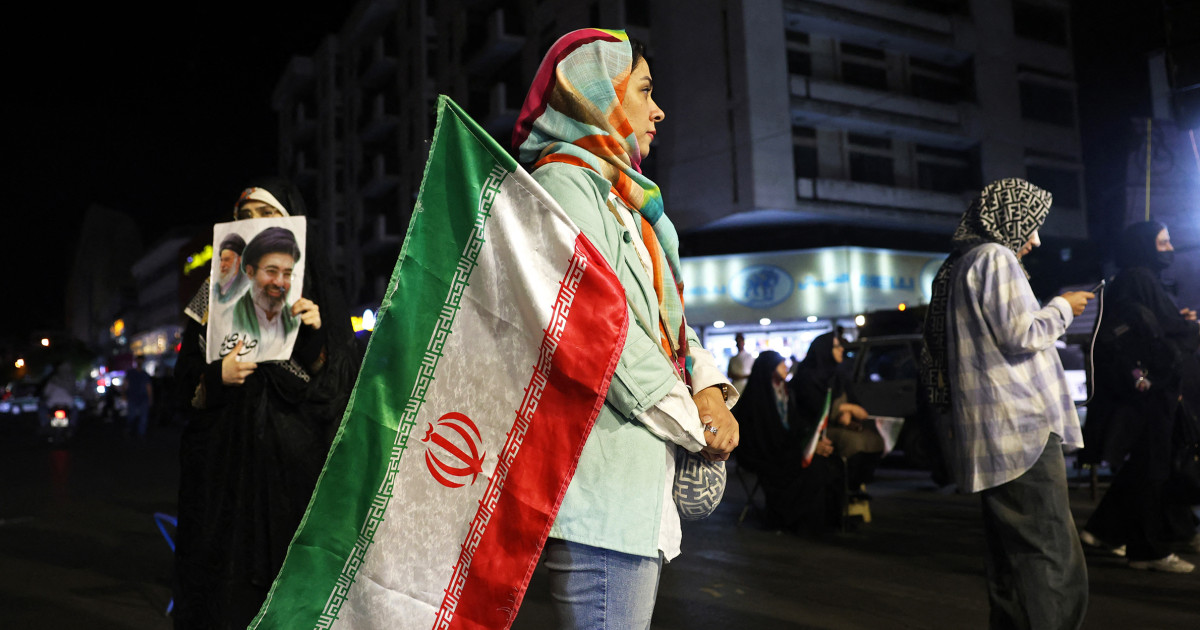
While high-level officials negotiate, the domestic situation inside Iran continues to deteriorate. Independent filmmakers and industry experts report that the war has exacerbated severe economic hardship and repression. Kaveh Farnam, a former head of the Iranian Independent Filmmakers Association, described a population struggling under the weight of inflation and restricted access to basic resources.
“They are badly under pressure, out of money, with no income and the prices are increasing every day.” Kaveh Farnam, via CBS News
The cultural sector, particularly cinema, has faced significant challenges. Pegah Ahangarani, an actor-director who left Iran in 2022, told CBS News that filmmakers who previously operated in an underground capacity now face even harsher conditions. She described the current environment as one where the war has provided “an excuse for the regime to be more savage and brutal,” further complicating the lives of artists who have been unable to work for months.
Global Market Reactions and Shifting Public Opinion

Financial markets continue to react to the shifting tone of the negotiations. On Thursday, Brent crude futures saw an uptick of 1.9% to $106.92 per barrel, while U.S. West Texas Intermediate futures rose by 2.4% to $100.59. These fluctuations reflect the uncertainty surrounding the potential reopening of the Strait of Hormuz and the outcome of the U.S.-Iran discussions.
Meanwhile, domestic opinion in the United States appears to be shifting. According to reporting from Al Jazeera, a recent opinion poll suggests that 60 percent of Americans now oppose the war on Iran. As the next few days unfold, the administration faces the dual pressure of managing these domestic sentiments while attempting to secure a deal that meets its stated security objectives before the current short-term window for diplomacy closes.
