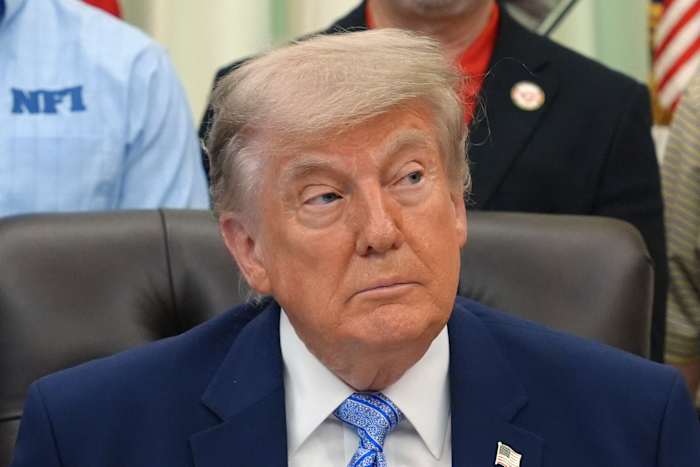
President Donald Trump announced on Thursday that the United States will send an additional 5,000 troops to Poland. This declaration follows weeks of inconsistent signals from the administration regarding the U.S. military footprint in Europe, leaving allies and lawmakers uncertain about the actual status of deployments across the continent.
A Shift in Military Strategy and Messaging
The announcement arrived as a surprise to many, coming after the administration had spent weeks signaling a reduction in American forces abroad. U.S. officials had previously confirmed that approximately 4,000 service members were no longer deploying to Poland, part of a broader effort to comply with President Trump’s order to reduce the number of troops stationed in Europe.
The confusion is compounded by the administration’s ongoing frustrations with NATO allies, whom the White House has frequently criticized for failing to shoulder a greater share of their own defense costs. These tensions were exacerbated by recent commentary from German Chancellor Friedrich Merz, who publicly criticized the U.S. for its lack of strategy regarding the war and suggested that American leadership had been humiliated by the Iranian leadership.
The Contradictory Timeline of Deployments
The administration’s messaging has shifted repeatedly throughout the month. Earlier in May, the President told reporters that the U.S. would be cutting troop levels significantly further than an initial 5,000-person reduction. By last week, the Army’s 2nd Armored Brigade Combat Team, 1st Cavalry Division, had been halted, and a deployment of personnel trained to operate long-range missile systems in Germany was similarly suspended.

Chief Pentagon spokesman Sean Parnell attempted to frame these shifts as a logistical recalibration rather than a permanent policy change. He described the initial cancellation of the Polish deployment as a temporary delay, emphasizing that Poland remains a model U.S. ally.
The sudden reversal on Thursday, moving from a reduction of 4,000 to an additional deployment of 5,000, has created significant operational uncertainty within the Department of Defense. Internal memos circulating within the Pentagon, according to sources familiar with the matter, indicate that military planners were not briefed on the President’s announcement prior to his public statement. This has led to a scramble among logistics officers to determine where the 5,000 personnel will be sourced from, as the previous cancellation had already triggered the reassignment of several support units to stateside bases.
Congressional Reaction and Political Fallout
The erratic nature of these announcements has drawn sharp rebukes from Capitol Hill. During a recent congressional hearing, Republican Representative Don Bacon of Nebraska characterized the initial decision to cancel the Polish deployment as a failure of communication, noting that he had spoken with Polish officials who were completely blindsided by the news.
“an embarrassment to our country what we just did to Poland.” — Don Bacon, Republican Representative, via ClickOnDetroit
Lawmakers from both parties have argued that these sudden changes send a dangerous message to both allies and Russian President Vladimir Putin, particularly during the ongoing war in Ukraine. The uncertainty surrounding which brigade combat teams will remain in Europe—and whether the new 5,000 troops will be additive or simply a replacement for those pulled from other regions—remains unresolved.
Senator James Risch, a senior member of the Senate Foreign Relations Committee, expressed concern that the lack of coordination between the White House and the Department of Defense undermines the credibility of U.S. security guarantees in Eastern Europe. During a briefing on Friday morning, Risch emphasized that the consistent vacillation between withdrawal and reinforcement hinders the ability of the U.S. to maintain a coherent deterrent posture against aggression in the Baltic and Central European regions.
The Context of Domestic Policy Adjustments
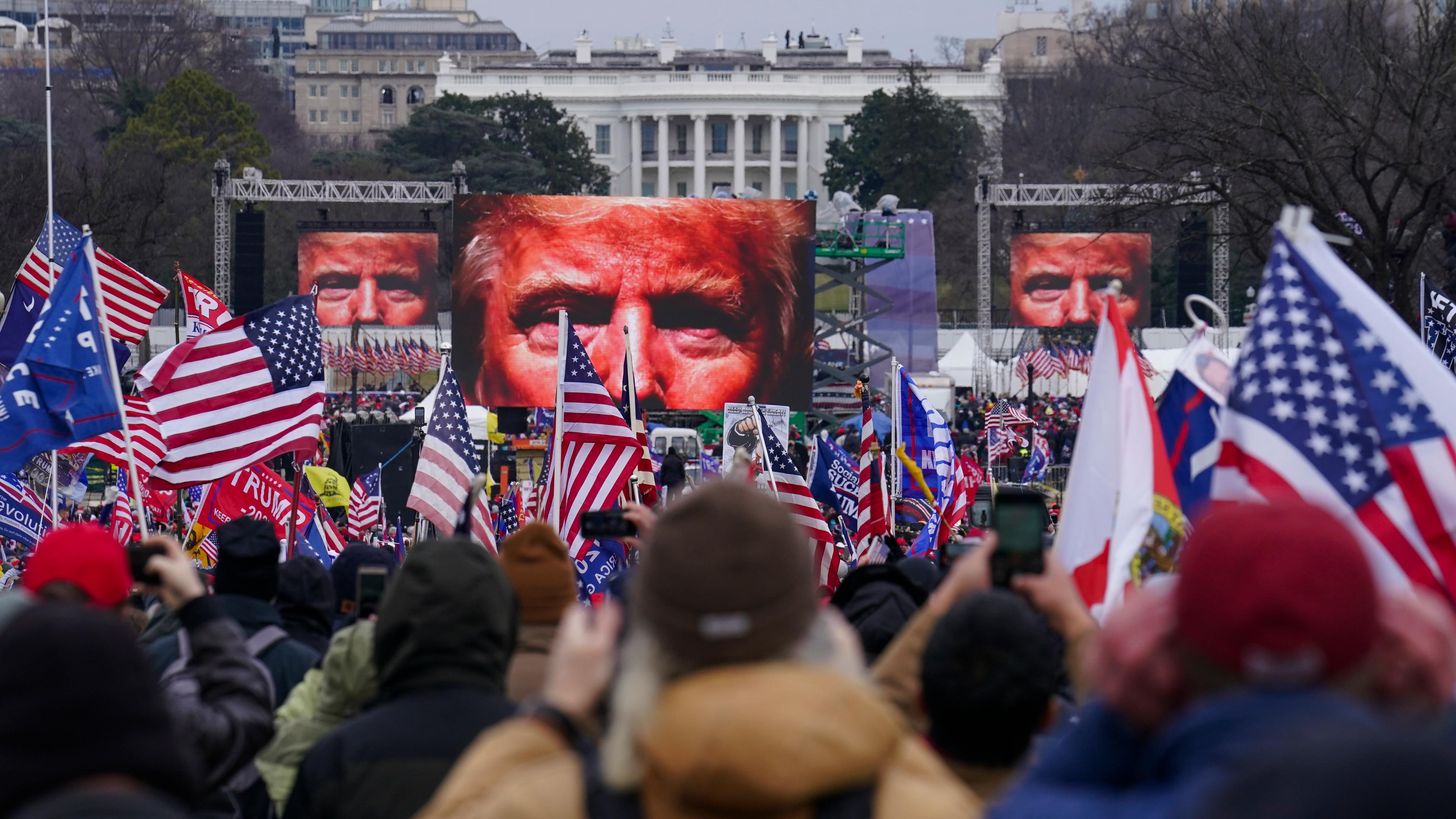
Beyond the military landscape, the administration is navigating other major internal policy shifts. Notably, the President recently withdrew a $10 billion lawsuit against the Internal Revenue Service. Reports indicate this move occurred alongside discussions regarding a $1.7 billion fund intended to provide damages to individuals who claim to have been harmed by the legal system’s weaponization, a group that includes nearly 1,600 people charged in the January 6, 2021, insurrection.
The intersection of these domestic legal maneuvers and foreign policy decisions has left the administration’s legislative agenda in a state of flux. While the White House maintains that the focus remains on economic growth and national security, the necessity of reconciling the sudden troop increase in Poland with the ongoing budgetary constraints imposed by recent legislative sessions remains a point of contention for fiscal conservatives in the House of Representatives.
As the White House faces continued inquiries regarding the specific logistics of the Polish deployment, the Pentagon has directed all requests for clarification back to the executive office. For now, the administration’s stated support for the newly elected Polish President, Karol Nawrocki, serves as the primary justification for the troop increase, yet the operational details of how these 5,000 soldiers will be stationed—or where they will be sourced—remain in flux.
