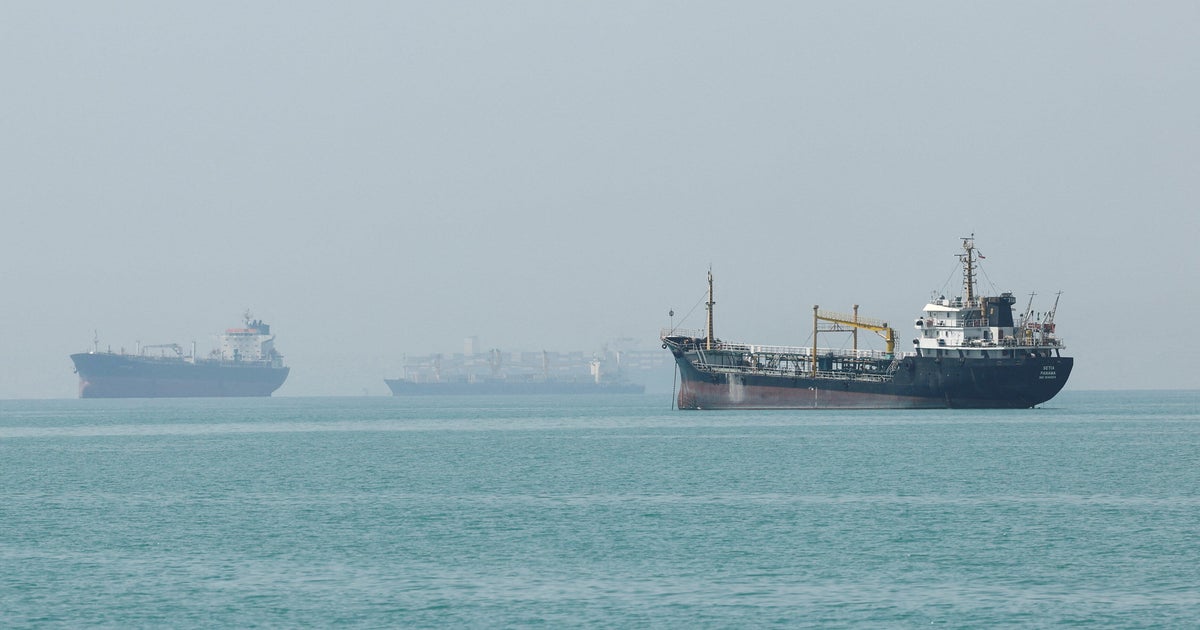
Secretary of State Marco Rubio warned Friday that Iran’s push to impose a “tolling system” on shipping through the Strait of Hormuz could trigger a global backlash, even as he acknowledged “slight progress” in broader peace talks. The U.S.-backed UN Security Council resolution—sponsored by Bahrain and backed by “almost every country” at the council—faces potential vetoes from China and Russia, raising questions about whether the international body can still enforce its will on critical maritime security issues.
UN Resolution: The Highest Stakes in Years
The draft resolution, which calls for an immediate end to Iranian attacks on vessels and the removal of sea mines from the Strait of Hormuz, has secured “the highest number of co-sponsors of any resolution ever” at the Security Council, according to CBS News. Rubio framed the stakes bluntly: “Let’s see if the United Nations still works.”

“Let’s see if the United Nations still works.”
— Marco Rubio, U.S.
The resolution’s fate hinges on two permanent Security Council members—China and Russia—both of which vetoed a similar Bahrain-backed measure last month. Rubio’s comments suggest the U.S. is banking on diplomatic pressure to sway undecided nations, but the risk of a veto looms large. “Unfortunately, a couple of countries on the Security Council are thinking about vetoing it,” Rubio said. “That would be lamentable.”
Iran’s Ambassador to the UN, Amir Saeid Iravani, dismissed the resolution as “deeply flawed” in early May, arguing that the crisis stems from U.S. and Israeli actions—not Iranian maritime activity. His position underscores a fundamental divide: Tehran insists the Strait of Hormuz must be demilitarized by Western powers, while Washington and its allies treat Iran’s proposed tolling system as an existential threat to global trade.
The Strait of Hormuz: A Flashpoint with Global Consequences
The Strait of Hormuz is the world’s most strategically vital chokepoint, through which roughly 20% of global oil supply passes daily. Iran’s push to impose tolls—or worse, blockades—has sent shockwaves through energy markets, with analysts warning of a potential 30% spike in oil prices if shipping is disrupted. Rubio’s rejection of the tolling system is not just diplomatic posturing; it reflects a hard line against what officials describe as Iran’s attempt to weaponize a critical waterway.
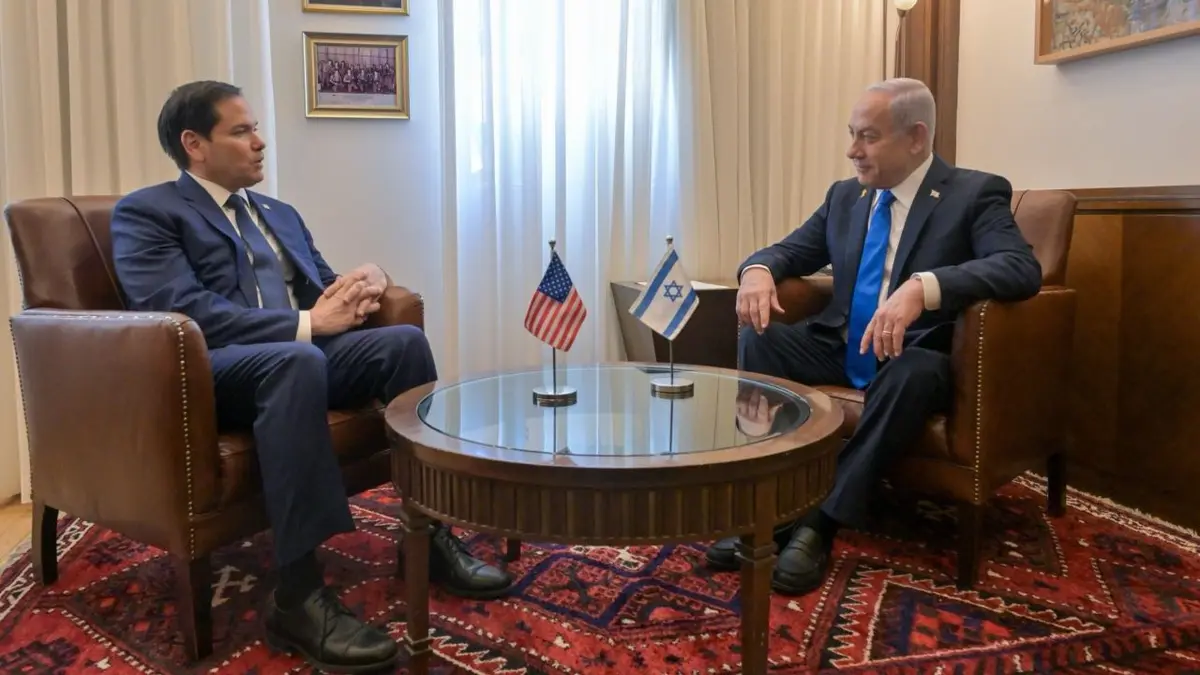
“If that were to happen in the Strait of Hormuz, it will happen in five other places,” Rubio said in recent remarks, hinting at Iran’s broader ambitions to control key maritime routes. The implication is clear: allowing Iran to set precedent in Hormuz could embolden similar moves in the Bab el-Mandeb, Malacca Strait, or Suez Canal.
Yet the U.S. faces a dilemma. While Rubio insists “no country should be in favor of a tolling system in an international waterway,” the reality is more complicated. Some regional allies—particularly in the Gulf—have privately expressed concerns that a U.S. military response to Iranian actions could escalate the conflict beyond control. Meanwhile, China and Russia, both major oil importers, may calculate that a veto is the lesser evil compared to a confrontation with Tehran.
Peace Talks: Progress or Stalling Tactics?
Despite the tension over Hormuz, Rubio acknowledged “slight progress” in broader Iran-U.S. peace negotiations—a carefully worded assessment that suggests movement without overpromising. The phrase mirrors the cautious optimism seen in past diplomatic deadlocks, where both sides claim incremental gains while avoiding concrete commitments.
What constitutes “progress” remains unclear. The U.S. has not disclosed specific concessions from Iran, nor has Tehran signaled a willingness to abandon its nuclear program or cease support for regional proxies. Rubio’s remarks suggest the talks are stuck in a familiar pattern: Iran demands an end to sanctions and U.S. military pressure, while Washington insists on verifiable nuclear disarmament first.

The timing of Rubio’s comments—just ahead of a NATO foreign ministers meeting in Sweden—hints at a broader strategy. By framing the Hormuz issue as a test of global unity, the U.S. is attempting to rally allies behind a unified front. But with NATO already divided over Ukraine and Middle East policy, the risk of fragmentation is high. If China and Russia veto the resolution, it could expose deep rifts in the Security Council—and undermine the U.S.’s ability to enforce maritime norms.
What Comes Next: Three Scenarios
The next 30 days will determine whether this crisis escalates, de-escalates, or grinds into a stalemate.
- Security Council Vote: If China and Russia veto the resolution, the U.S. may pursue unilateral sanctions or military deterrence measures—raising the risk of direct conflict.
- Diplomatic Backchannel: Behind-the-scenes negotiations between Washington and Tehran could yield a face-saving compromise, such as a temporary halt to Iranian maritime actions in exchange for limited sanctions relief.
- Market Reaction: Any disruption in Hormuz shipping will trigger immediate oil price spikes, testing global resilience to energy shocks. The IMF has warned that a prolonged crisis could push inflation above 5% in key economies.
Rubio’s warning about the “United Nations still working” is more than rhetorical. It’s a challenge to both allies and adversaries: Can the international system still enforce rules when its two most powerful veto-wielding members are willing to block action? The answer will shape not just the Strait of Hormuz, but the future of global governance itself.
“We are doing everything we can to achieve the sort of global consensus that’s necessary to prevent this from happening.”
— Marco Rubio, U.S.
The coming weeks will reveal whether consensus is possible—or if the world is entering a new era of unchecked maritime coercion.
