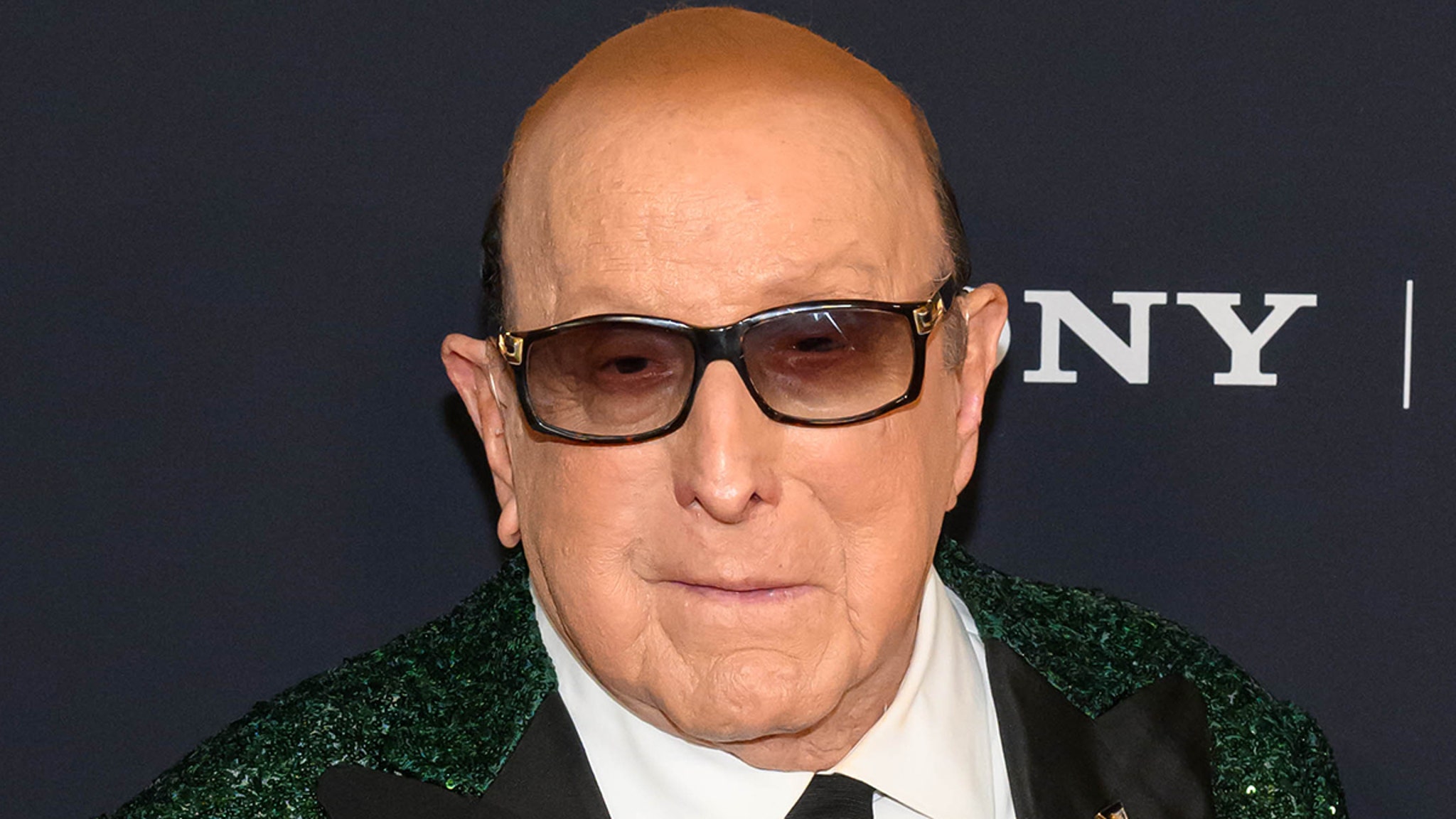
Clive Davis, the legendary music executive who shaped the careers of Whitney Houston, Aretha Franklin, and countless others, was hospitalized in New York City on May 29, 2026, with an upper respiratory infection, according to TMZ. A spokesperson confirmed he was admitted Friday evening but expected to be released within 24 hours. This latest health scare adds to a history of medical challenges, including a 2021 diagnosis of Bell’s Palsy, though no details about his current condition were provided.
Career Legacy and Industry Influence
Clive Davis’ impact on the music industry spans decades, beginning with his role at Columbia Records in the 1960s. As detailed by the Tisch School of Arts at New York University, he signed Janis Joplin, launched the careers of Santana and Billy Joel, and expanded Columbia’s reach into R&B through partnerships like the Philadelphia International label. His later ventures, including Arista Records and Bad Boy, became powerhouses for artists such as Whitney Houston, Patti Smith, and Usher. The Tisch profile highlights his ability to identify talent and shape cultural movements, noting that his work “profoundly affected the world of music.”
Davis’ influence extended beyond signing artists. His 1974 founding of Arista Records marked a pivotal moment in the industry, with hits like Barry Manilow’s “Mandy” cementing its success. The label also became a hub for country music through Arista Nashville, discovering stars like Alan Jackson and Brad Paisley. His 1989 collaboration with L.A. Reid and Babyface to create LaFace Records further solidified his role in shaping hip-hop and R&B, producing acts like TLC and OutKast. “He was the architect of modern music,” said a 2021 industry analysis in TMZ.
Reflections on the Music Industry
In a 2026 interview with the New York Post, Davis reflected on his approach to talent development. “It begins with signing or appraising the audition of an artist,” he said, emphasizing his hands-on role in shaping projects. His early work with Whitney Houston, including a “key man clause” allowing her to leave if he did, underscored his commitment. Davis described the process of crafting her debut album as “two years to find the material,” resulting in a record that sold 23 million copies globally.

He also addressed the evolving music landscape, noting that social media now dictates success. “Without a few million followers, you might not even get signed,” he said, contrasting his era with today’s “domination of hip-hop.” Yet Davis insisted his methods remain relevant: “I still go into Sony every week to stay current.” His comments highlight a tension between traditional A&R and the algorithm-driven strategies of the digital age.
The Tisch profile underscores Davis’ role as a bridge between genres, from rock to R&B to hip-hop. His ability to adapt—whether through the rise of disco in the 1970s or the hip-hop boom of the 1990s—demonstrates his longevity. “He was a visionary who understood the pulse of the industry,” said a 2023 industry report. “His decisions often set trends that defined decades.”
Implications and Next Steps
Davis’ hospitalization, while brief, has sparked discussions about the health of industry icons. At 89, his condition raises questions about the physical toll of a career marked by relentless work. However, his legacy remains intact. The TMZ report noted that his spokesperson emphasized “abundance of caution,” suggesting no long-term concerns. For now, the music world waits for his return, mindful of his enduring influence.

As the industry grapples with its digital future, Davis’ perspective offers a counterpoint to modern trends. His emphasis on collaboration and artistic integrity—qualities that defined his work with Houston and others—remains a benchmark. “He taught us that music is about connection, not just numbers,” said a 2024 tribute in the New York Post. Whether his insights will shape the next generation remains to be seen, but his impact is undeniable.
“You would never do it differently,” Davis said, reflecting on his career. “And there were no artists like them.” His words, like his work, continue to resonate.
