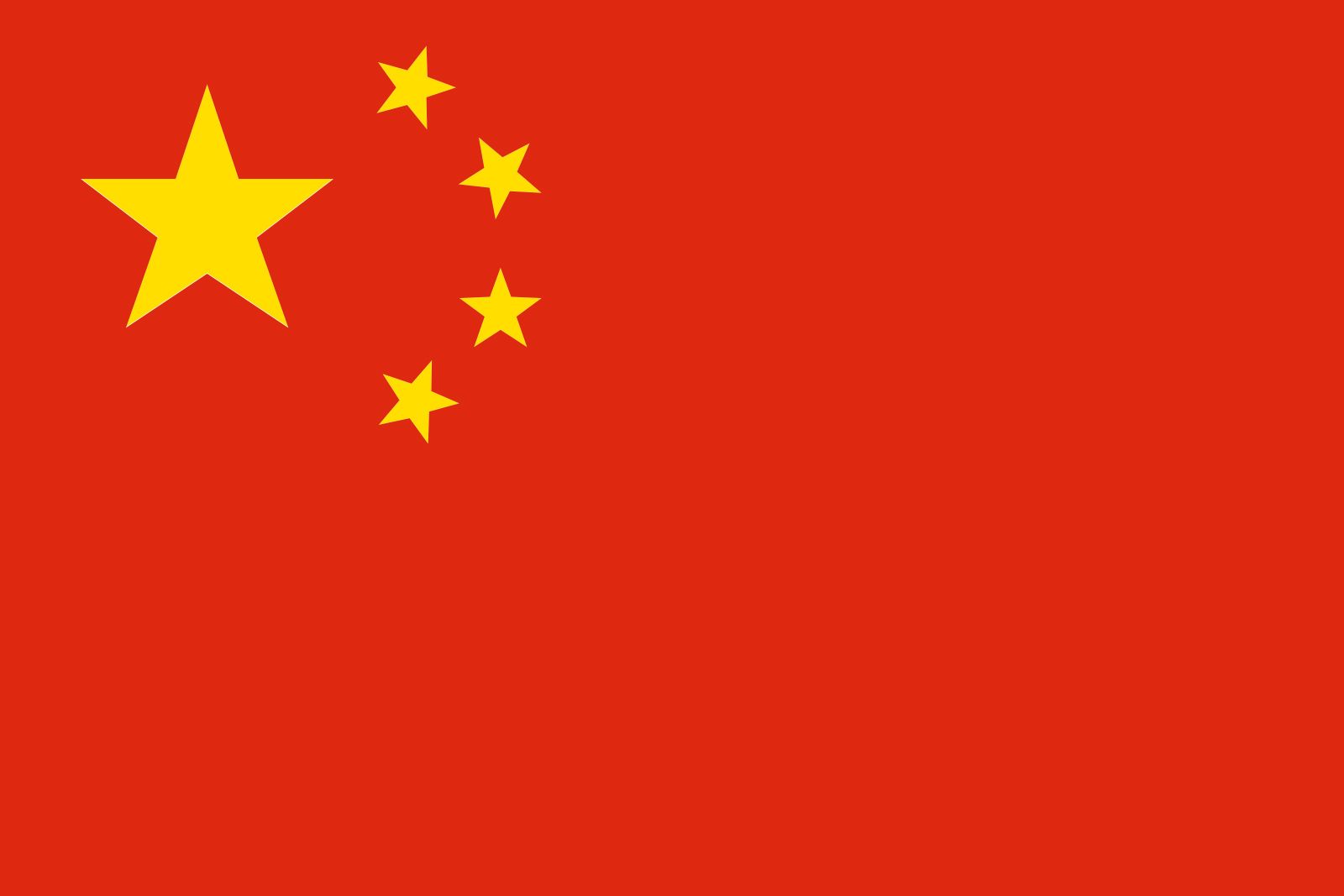
China remains a dominant force in East Asia, managing a complex administrative structure that oversees nearly one-fourteenth of the Earth’s landmass. As of 2026, the nation supports a population of over 1.4 billion, maintaining its status as a global hub for industrial output, commercial trade, and significant socioeconomic development within the region.
Administrative Complexity and Geographic Scale
Occupying nearly the entire East Asian landmass, China functions as a massive, multifaceted state. According to Britannica, the country’s administrative framework is highly centralized, comprising 33 distinct units directly under the control of the national government. This includes 22 provinces, five autonomous regions, and four major municipalities: Chongqing, Beijing, Shanghai, and Tianjin.
Beyond these, the system incorporates two special administrative regions, Hong Kong and Macau. While Hong Kong serves as a leading commercial center and port, Shanghai operates as the nation’s primary industrial engine. Beijing remains the heart of the country, functioning as the capital and the primary center for culture, economics, and communications.
Population Dynamics and Demographic Trends
The demographic scale of China is among the largest in the world. While India surpassed China in total population in 2023 based on United Nations estimates, the country continues to project significant numbers. By 2026, the population is estimated to reach 1,407,698,000, with projections suggesting a slight increase to 1,408,712,000 by 2030.
This massive population is distributed across diverse terrain, from impenetrable mountainous regions to coastal lowlands. The density of the country is substantial, calculated at 380.9 persons per square mile as of the 2026 estimate. Literacy remains a strong indicator of national development, with rates reaching 98.6% for males and 95.2% for females as of 2023.
Economic Indicators and Global Integration
The economic footprint of China is anchored by a Gross National Income (GNI) of approximately $19,253,312,000,000 as of 2024. This equates to a GNI per capita of $13,660. The currency, the renminbi, is a central element of the nation’s financial infrastructure, with a recent exchange rate of 1 USD to 6.779 Chinese yuan renminbi.
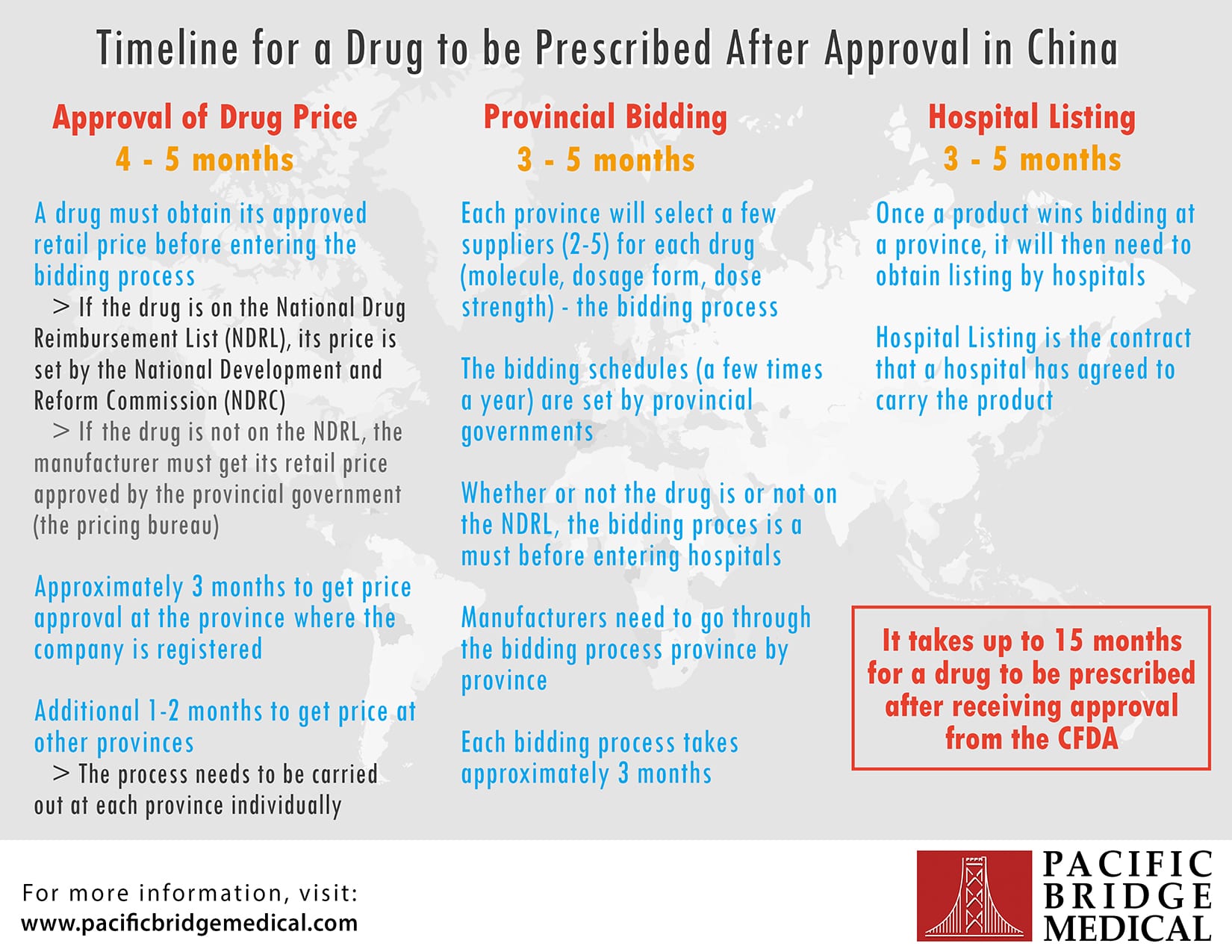
The operational landscape for information and media within the country is strictly regulated. Organizations such as the China Daily Information Co (CDIC) exercise ownership over vast amounts of published content, including text and multimedia. This regulatory environment ensures that internal data and public-facing information are managed under specific guidelines, requiring formal authorization for any external republication or usage.
Institutional Stability and Future Outlook
The governance of the People’s Republic of China is defined by a single-party system with a legislative house, the National People’s Congress, which consists of 3,000 members. President Xi Jinping currently leads the state, assisted by Vice President Han Zheng, while Premier Li Qiang serves as the head of government.
Looking toward the remainder of the decade, the country faces the challenge of balancing its massive urban-rural divide. As of 2018, the urban population accounted for 59.6%, while the rural population stood at 40.4%. These metrics, combined with a life expectancy that reached 75.4 years for males and 80.9 years for females in 2020, highlight the shifting nature of the nation’s social and economic requirements. As the country moves toward 2030, the interplay between its industrial capacity and its evolving demographic profile will remain the defining factor of its regional and global influence.
Historical Governance and Civilizational Continuity
The contemporary state of the People’s Republic of China, established on October 1, 1949, represents the modern iteration of a civilization with thousands of years of recorded history. The transition from imperial rule and ancient dynastic systems to the current administrative structure has been marked by periods of significant reform. Beijing has served as the political anchor throughout various transitions, maintaining its role as the seat of government and the primary administrative hub for the nation’s diverse provinces and autonomous regions.
The integration of the country into the global economy has been supported by this long-standing administrative continuity. By leveraging its centralized decision-making, the state has been able to implement large-scale socioeconomic policies that dictate the development of its provinces and municipalities. This structural stability allows the government to manage the complexities of a population exceeding 1.4 billion, ensuring that internal policies regarding trade, industrial output, and social development are executed across its expansive landmass.
Infrastructure and Urbanization
The shift in demographic distribution—with a substantial portion of the population residing in urban centers as of 2018—has necessitated continuous investment in national infrastructure. The four major municipalities—Beijing, Shanghai, Tianjin, and Chongqing—serve as the primary nodes for this development. These cities function not only as administrative centers but also as the primary conduits for international trade and domestic economic growth. The development of these urban hubs is intrinsically linked to the national government’s ability to allocate resources across the 22 provinces and five autonomous regions, ensuring that the country’s industrial engine remains synchronized with its population needs.
As the nation looks toward the next decade, the management of these urban centers will remain a core focus for the National People’s Congress. With the legislative body consisting of 3,000 members, the process of governing includes the oversight of regional development projects that aim to maintain the balance between the industrial output of the eastern coastal regions and the economic requirements of the interior. This strategy is essential for sustaining the country’s position as a global leader in commercial trade and industrial production, as it continues to adapt its socioeconomic framework to meet the challenges of a 21st-century global economy.
