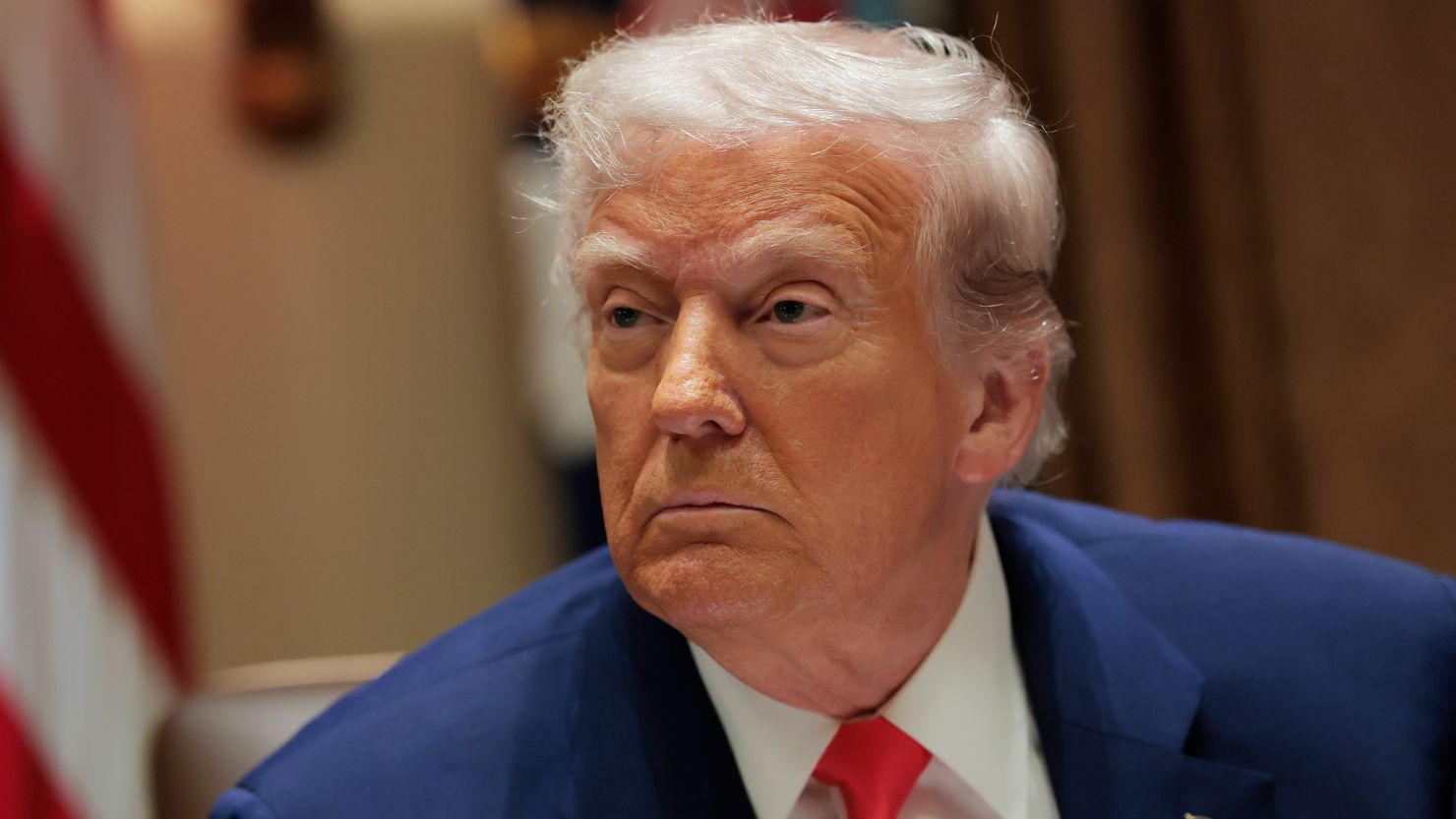
President Donald Trump is in “excellent health” and remains “fully fit” to serve as commander in chief, according to a medical report released late Friday. Following a three-hour physical exam at Walter Reed National Military Medical Center last Tuesday, doctors confirmed the 79-year-old president maintains strong cardiac, pulmonary, and neurological performance.
Clinical Findings and Physical Performance
The medical evaluation, which the president characterized as a six-month checkup, involved a comprehensive assessment by 22 specialists. Dr. Sean Barbabella, the president’s physician, oversaw the process, which included a CT scan, heart imaging, and various cancer screenings. Despite the intensive nature of the testing, the results indicate that the president’s physical and cognitive metrics remain stable.
The medical team, comprised of specialists from various military departments at Walter Reed, conducted the examination over a period of three hours starting at 8:00 a.m. Tuesday. According to the official statement released by the White House Press Secretary, the evaluation focused on systemic health, including cardiovascular stress testing and ocular examinations. The team of 22 specialists included cardiologists, gastroenterologists, and dermatologists, each of whom signed off on specific sections of the summary report. The report confirms that the president did not undergo any procedures requiring general anesthesia or sedation during the visit.
Notably, the president weighed in at 238 pounds, representing a 14-pound increase since his last exam in April 2025. With a height of 6-foot-3, this places his body mass index at 29.7, just below the clinical threshold of 30 that defines obesity. While doctors provided specific guidance regarding diet, weight loss, and physical activity, they emphasized that the president’s daily routine—which includes high-level meetings and public engagements—bolsters his overall well-being.

In response to the weight increase, Dr. Barbabella’s report notes that the president has been counseled on a caloric-deficit diet plan. The report highlights that the president’s current exercise regimen consists primarily of walking and light resistance training, which the medical team recommends increasing to combat the weight gain. The White House has not yet released specific details regarding the composition of the dietary changes, but confirmed that the White House kitchen staff is working in coordination with the medical team to adjust the president’s menu.
The report explicitly addressed minor health concerns, including “minor soft tissue irritation related to frequent handshaking,” which doctors identified as a benign side effect of aspirin therapy. To manage this, the medical team recommended a transition to low-dose aspirin. Additionally, the exam noted “slight lower leg swelling,” a symptom attributed to chronic venous insufficiency, a condition previously disclosed by the White House. Doctors observed that this condition showed “improvement from last year.”
For more on this story, see Trump to Undergo Routine Annual Medical Assessment.
According to clinical notes attached to the report, the soft tissue irritation was addressed through a change in topical ointment prescriptions. The chronic venous insufficiency, which the medical team documented as being managed with compression garments, has not interfered with the president’s ability to participate in extended standing events, such as the recent two-hour commencement speech delivered at the Air Force Academy.
Cognitive Assessment and Cholesterol Management
A central component of the physical was the administration of the Montreal Cognitive Assessment. According to the AP, the president achieved a perfect score of 30 out of 30, matching his results from 2018 and the previous year. This screening tool is used to monitor for signs of dementia or cognitive impairment, and the medical team concluded that his performance in these areas is excellent.
The testing was administered by Dr. Barbabella in a controlled environment within the medical center’s executive suite. The assessment included tests of short-term memory, visuospatial abilities, executive function, and orientation to time and place. The medical team noted that the president completed the timed portions of the exam within the expected intervals, showing no signs of hesitation or recall deficit.
Beyond cognitive health, the president’s metabolic markers have seen significant improvement due to pharmaceutical intervention. His total cholesterol level is now 143, a marked decrease from the 223 recorded in 2018. The medical regimen currently includes rosuvastatin and ezetimibe, both of which are utilized to lower low-density lipoprotein (LDL) cholesterol and manage lipid profiles.
Laboratory results released alongside the summary indicate that his LDL cholesterol is currently 72 mg/dL, which the American Heart Association generally considers an optimal range for individuals with his medical history. Dr. Barbabella reported that the president has been fully compliant with the medication schedule, taking the doses daily at the White House residence under the supervision of medical staff. The report clarifies that there are no plans to adjust the dosage of these medications at this time, as the lipid profile has remained steady over the last three quarterly blood panels.
Transparency and the Presidential Exam
This examination marks the fourth publicly disclosed physical since the president returned to office for his second term. As Yahoo notes, there is no federal mandate requiring presidents to release full medical records, and the level of transparency regarding a commander in chief’s health has fluctuated across different administrations.
The decision to release these specific results comes as the administration looks to project strength ahead of the upcoming midterm elections. While the White House and the attending physician have framed the report as a testament to the president’s vitality, the practice of releasing select medical data remains a standard, albeit voluntary, exercise in public accountability.
“His demanding daily schedule, including multiple high-level meetings, public engagements, and regular physical activity, continues to support his overall well-being.” Dr. Sean Barbabella, Physician to the President
Congressional reaction to the report has been split along party lines. Senator John Thune, the Senate Majority Leader, stated in a press release that the report provides “necessary and welcome transparency” regarding the leader of the executive branch. Conversely, members of the House Oversight Committee have requested that the White House provide the raw data from the CT scans and heart imaging to an independent medical review board, citing the need for further verification. The White House has declined this request, maintaining that the summary provided by Dr. Barbabella is sufficient and that patient privacy laws protect the raw imaging data from public disclosure.
As the president continues his second term, the medical team’s conclusions regarding his fitness to serve are intended to reassure the public. The report emphasizes that his cardiac, pulmonary, and neurological functions remain robust, effectively clearing him for the ongoing rigors of the presidency.
