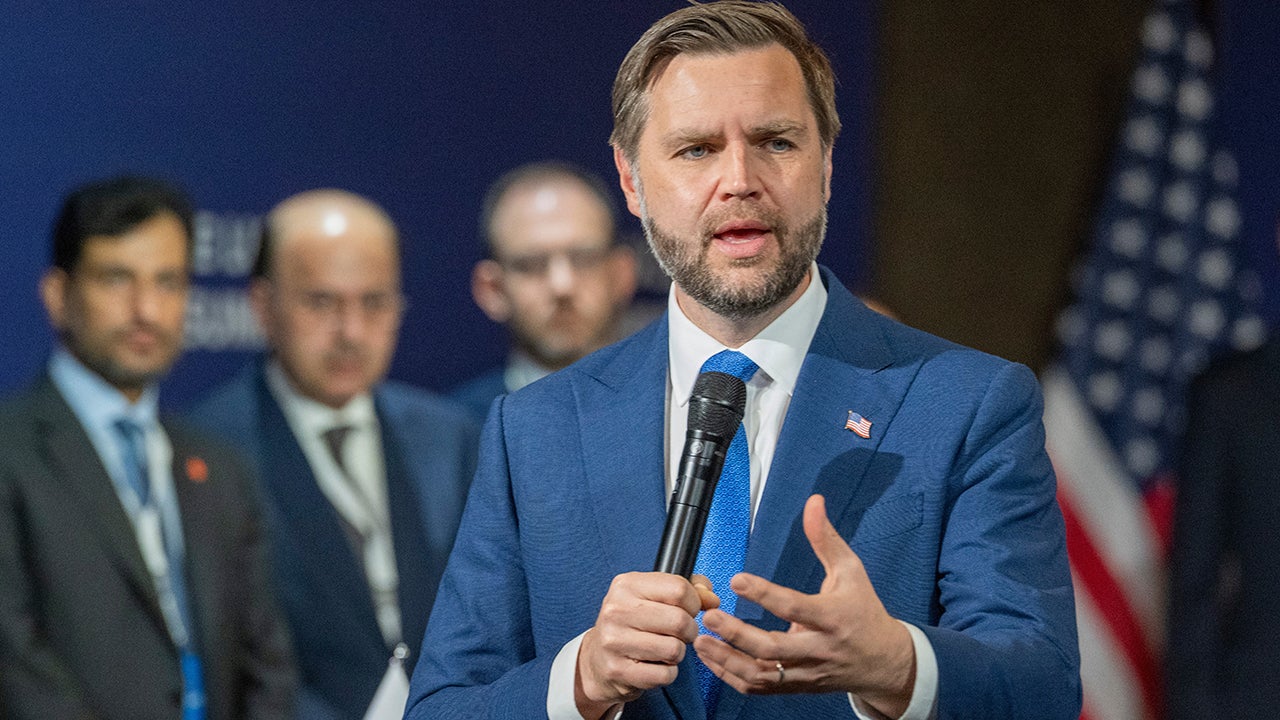
U.S. and Iranian negotiators emerged from high-stakes talks in Switzerland on June 21, 2026, with a fragile but critical breakthrough: a memorandum of understanding to reopen the Strait of Hormuz, establish a ceasefire mechanism in Lebanon, and restart nuclear inspections—all while President Donald Trump’s public threats of military action against Iran threatened to derail the process. The talks, mediated by Qatar and Pakistan, produced both concrete agreements and deep divisions over how to frame the next steps.
What the U.S. and Iran Actually Agreed To
According to a joint statement from Qatar and Pakistan, the two sides agreed to four core measures. First, they established a communication line to prevent escalation in the Strait of Hormuz, a critical shipping lane where tensions had flared earlier this year. Second, they created a de-confliction cell involving the U.S., Iran, and Lebanon’s government to enforce a ceasefire between Israel and Hezbollah, the Iran-backed militia. Third, Iran agreed to allow International Atomic Energy Agency (IAEA) inspectors back into the country—a major concession that the U.S. called a “major milestone.” Finally, they set up a High Level Committee to oversee technical negotiations on nuclear, sanctions, and dispute resolution, with chief negotiators reporting regularly to the group.
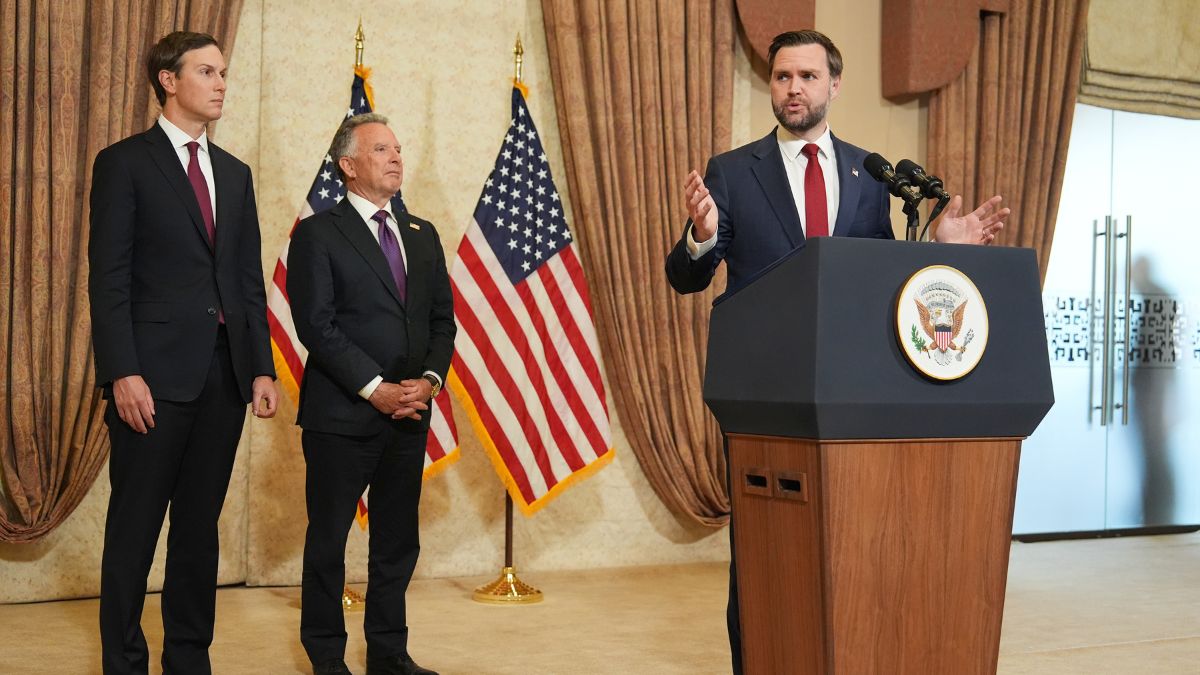
Vice President JD Vance, who led the U.S. delegation, framed the talks as a success, telling reporters that all four American objectives had been met. “We haven’t built the house, but we’ve laid a successful foundation to get to a good place for the American people,” he said. Yet the progress was overshadowed by Trump’s public threats—including a social media post calling for strikes against Iran—which Iranian negotiators described as “insulting” and a direct threat to their safety. The Guardian reported that Iranian officials walked out of negotiations briefly in protest, though technical talks resumed later.
Trump’s Threats vs. Vance’s Diplomacy: A Split Message
The contrast between Trump’s rhetoric and Vance’s measured tone highlighted a deeper tension in the administration’s approach. While Vance emphasized de-escalation—noting that the Strait of Hormuz was now open for 60 days without incident—Trump’s threats risked undermining the very progress his team claimed to have achieved. “Don’t they think to themselves that if their threats had any effect, they wouldn’t have reached the desperation they face today?” Iranian chief negotiator Mohammad Bagher Ghalibaf told state media, dismissing the U.S. posturing as ineffective.

For more on this story, see U.S.-Iran Negotiations Set 60-Day Deal Roadmap Amid Lebanon Conflict Tensions.
Yet the Iranian delegation’s walkout wasn’t just about Trump’s words. It also reflected domestic political pressure: Iranian officials had to show they weren’t caving to U.S. demands without securing tangible concessions. Abbas Araghchi, Iran’s foreign minister, praised Qatar and Pakistan for their mediation but warned that the de-confliction mechanism in Lebanon would be the first real test of the agreement. “The newly established deconfliction mechanism in Lebanon would be the first real test,” Araghchi said in a post on X, underscoring concerns that continued violence there could unravel the broader diplomatic effort.
What’s Next: The 60-Day Countdown and Unresolved Risks
The memorandum of understanding signed last week gives both sides 60 days to negotiate a final deal on Iran’s nuclear program, sanctions relief, and regional security. But the clock is already ticking—and the risks of backsliding are high. The U.S. has signaled it will monitor Iran’s compliance with the Strait of Hormuz agreement closely, while Iran has tied its cooperation to Israel’s actions in Lebanon. If Hezbollah and Israel resume large-scale fighting, the entire process could collapse.
This follows our earlier report, Trump Threatens Renewed Military Action Amid Stalled Nuclear Talks With Iran.
CNBC reported that Iranian officials secured waivers for oil and petrochemical exports, the lifting of port blockades, and the release of some frozen assets as part of the talks. These economic concessions are critical for Iran, which has faced crippling sanctions for years. However, the nuclear negotiations remain the hardest hurdle. The U.S. has demanded strict limits on Iran’s uranium enrichment, while Iran insists on sanctions relief in exchange for concessions.
The Lebanon Factor: Can the Ceasefire Hold?
The de-confliction cell established in Lebanon is perhaps the most fragile part of the agreement. Israel and Hezbollah have fought intermittently since October 2023, with Israel launching strikes in southern Lebanon just days before the Swiss talks. The Guardian noted that Iran had reimposed a blockade on the Strait of Hormuz in response to Israel’s attacks, framing it as a violation of the memorandum Trump signed with Iranian President Masoud Pezeshkian.
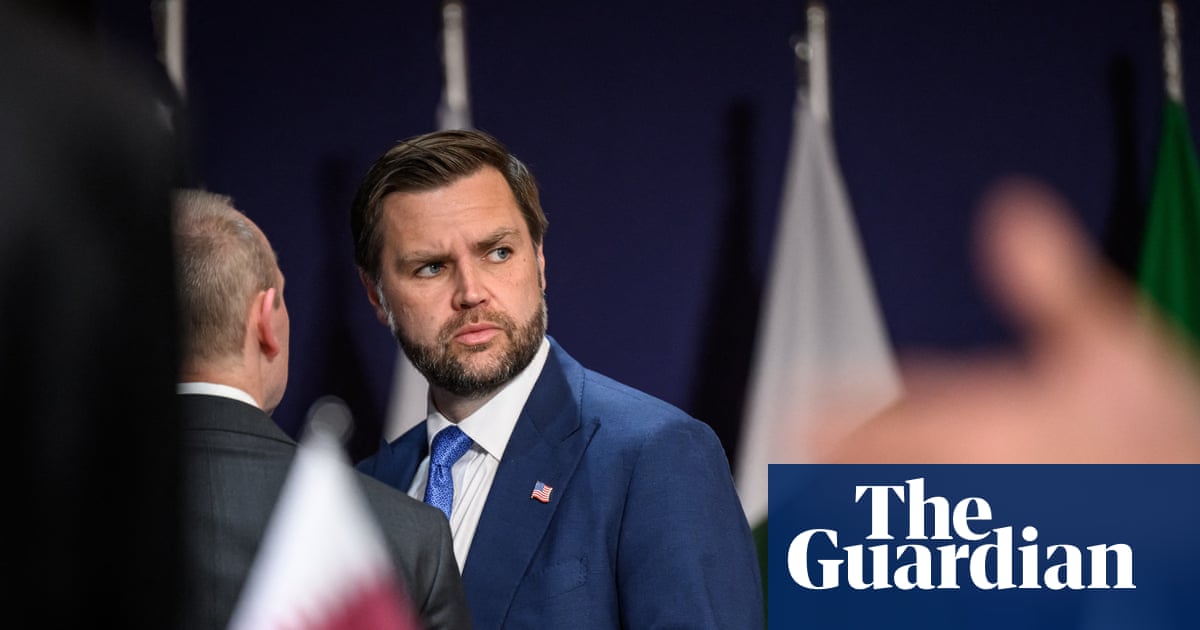
Trump’s response was swift and aggressive: “Iran must immediately stop their highly paid proxies in Lebanon from causing trouble,” he wrote on social media. “If they don’t, we’ll hit Iran very hard again.” The threat sent shockwaves through the negotiating room. A senior Pakistani official involved in the talks told MS NOW that the discussions had gone into the early hours of June 21, describing them as “constructive but tense.” The question now is whether the de-confliction mechanism can prevent another escalation—or if Trump’s rhetoric will push Iran back to the negotiating table with even less trust.
Read also: Iran demands Lebanon ceasefire as US-Iran talks face Israeli strike risks.
Why This Matters: The Nuclear Stakes and Regional Stability
The talks in Switzerland are more than just a diplomatic exercise—they represent a rare opportunity to prevent a wider regional war. The Strait of Hormuz is a chokepoint for global oil supplies, and any disruption could send energy prices soaring. Meanwhile, Iran’s nuclear program remains a flashpoint: if Tehran accelerates enrichment, it could trigger a new crisis with Israel and its allies.
Yet the progress made in Switzerland is not irreversible. Vance acknowledged that major issues—including nuclear and economic matters—remain unresolved. “A lot of progress, but still some work to do,” he said. The coming weeks will test whether the U.S. and Iran can move beyond the memorandum to a final deal. If they fail, the risks of miscalculation—and the potential for conflict—will rise sharply.
The next critical test will come in Lebanon. If the de-confliction cell can hold, it could buy time for nuclear negotiations. But if Israel and Hezbollah resume major fighting, the entire process could unravel. The clock is ticking—and the stakes couldn’t be higher.
Find more reporting in our World section.
