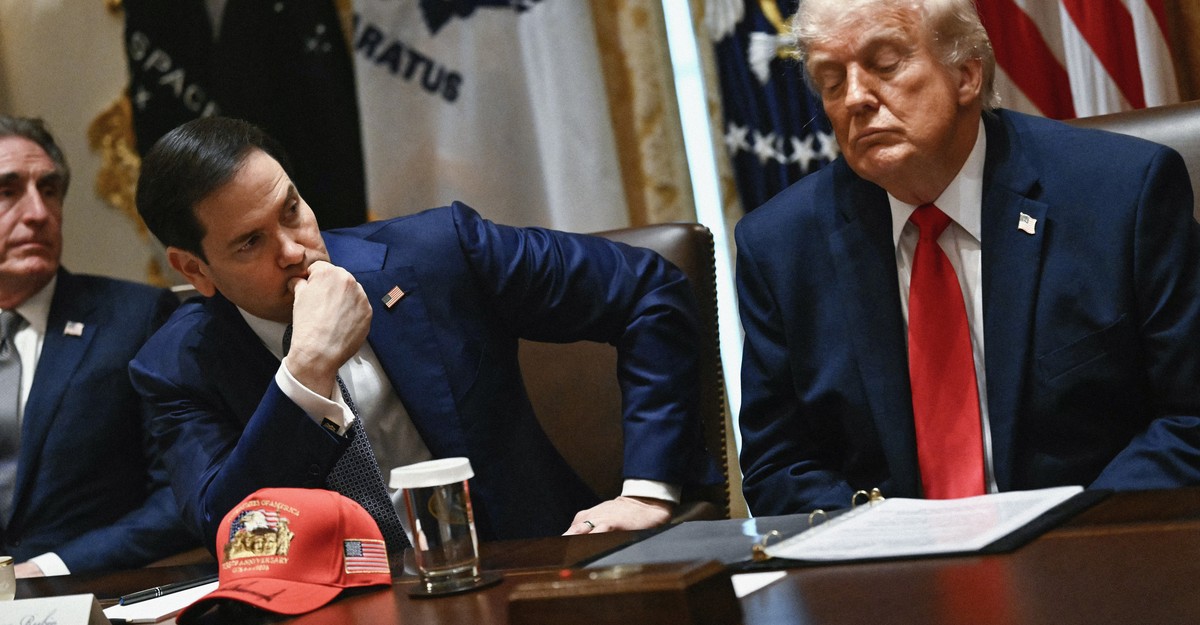
President Donald Trump on Wednesday expressed frustration over stalled nuclear negotiations with Iran, accusing the regime of “negotiating on fumes” and threatening to resume military action if a deal is not finalized. The White House has been locked in a months-long effort to secure a framework to curb Iran’s nuclear program, but talks have repeatedly faltered, with Trump’s administration and Iranian officials trading escalating rhetoric.
Stalemate in Nuclear Talks: A Fragile Memorandum
The stalled negotiations center on a one-page “memorandum of understanding” aimed at addressing Iran’s enriched uranium stockpiles, a key point of contention. Trump, who has repeatedly claimed the deal is “largely negotiated,” admitted during a Cabinet meeting that talks had not yet reached a conclusion. “They want very much to make a deal,” he said, “so far, they haven’t gotten there.” The White House has not released the document’s contents, but sources indicate it would establish a 60-day timeline for resolving the nuclear issue. The Atlantic reported that Trump’s frustration stems from Iran’s reluctance to fully capitulate, a stance his aides attribute to the regime’s belief that the U.S. would eventually relent.

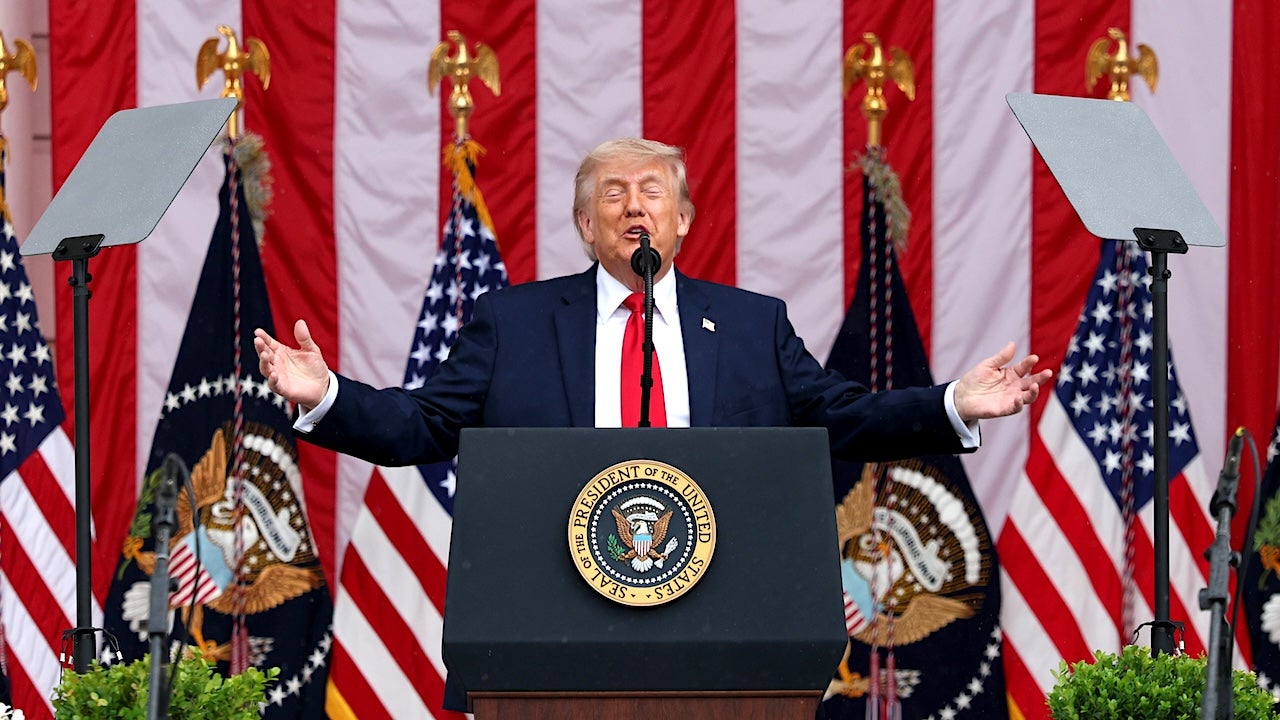
Trump’s impatience has been compounded by his administration’s reluctance to restart hostilities. Despite frequent threats to strike Iran’s energy infrastructure, officials have cited depleted U.S. munitions supplies and fears of retaliatory attacks on Gulf oil facilities as reasons to avoid escalation. Aides have instead focused on economic pressure, including a blockade of the Strait of Hormuz, which Iran effectively closed earlier in the year. Fox News noted that Trump has privately warned that the blockade will “eventually cause Iran to buckle,” but the timeline remains unclear.
Trump’s Rhetoric: Bluster or Strategy?
Trump’s public comments during the Cabinet meeting framed the negotiations as a test of willpower. “Their Navy has gone, as I’ve said a thousand times, and Navy is gone, their air force is gone, everything’s gone, and they’re negotiating on fumes,” he said, a reference to recent U.S. military actions that have crippled Iran’s conventional forces. The president also dismissed Tehran’s economic struggles, claiming its “economy is in free fall” and that the regime had miscalculated its ability to “outwait” him. Fox News quoted Trump as saying, “I don’t care about the midterms. Very simple. Iran cannot have a nuclear weapon. I’m doing that for the world.”
For more on this story, see Trump Warns Iran of ‘Severe Consequences.
The rhetoric aligns with Trump’s broader strategy of combining military posturing with diplomatic pressure. His administration has repeatedly threatened to resume strikes on Iran’s nuclear facilities, a move that could reignite the 2026 conflict. However, officials have signaled a preference for a negotiated settlement, even if it falls short of Trump’s maximalist demands. “We’re not satisfied with it: Either that or we’ll have to just finish the job,” Trump said, a statement that underscores the administration’s precarious balancing act between confrontation and compromise.
Regional Fallout: Israel’s Escalating Conflict
The stalemate in Iran talks has coincided with heightened tensions in the broader Middle East. On Wednesday, the Israeli military reported striking 550 Hezbollah targets in southern Lebanon, a move that Israel’s defense ministry framed as a response to ongoing cross-border attacks. The strikes followed an evacuation order for Tyre and nearby refugee camps, with the IDF emphasizing efforts to minimize civilian casualties. Fox News noted that the Israeli actions have further destabilized the region, complicating efforts to broker a broader peace.
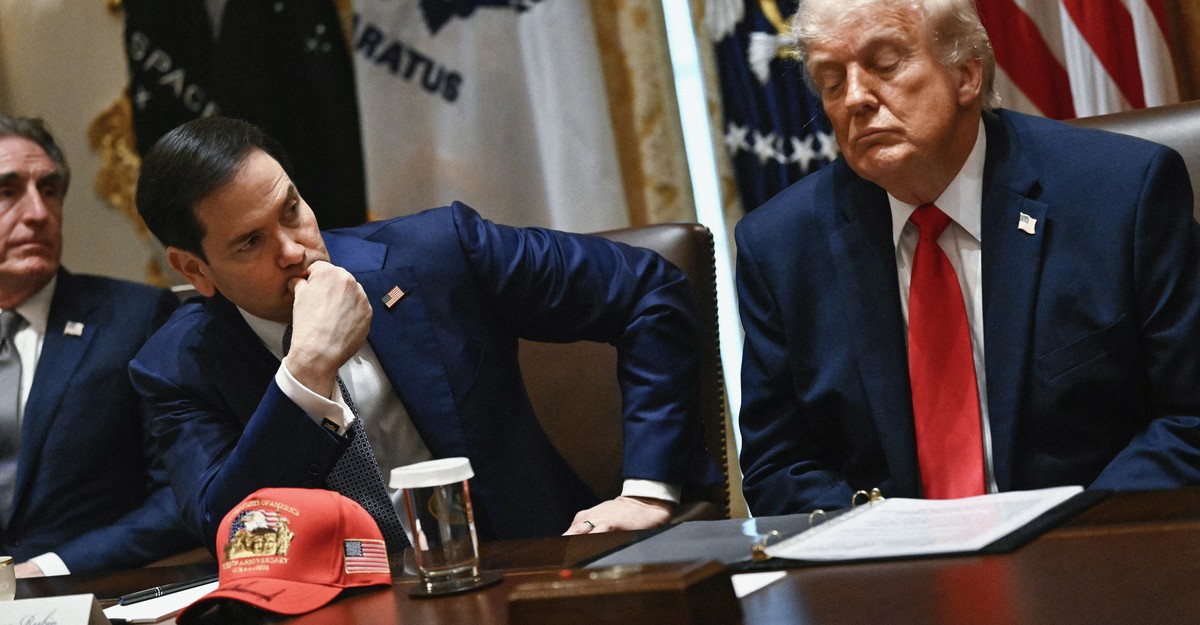
Regional leaders have also weighed in, urging Trump to accelerate the Iran deal. Middle Eastern nations, battered by Iranian strikes and the strait’s closure, have called for a resolution to the crisis. After a phone call with Trump, the U.S. president tweeted that a deal was “almost done,” a claim that analysts say reflects the administration’s desperation to avoid a prolonged conflict. However, the lack of transparency around the negotiations has fueled skepticism, with some observers questioning whether the U.S. is prepared to make the concessions needed to secure a lasting agreement.
The Road Ahead: A Test of Patience and Power
With the deadline for the memorandum of understanding approaching, the coming weeks will test Trump’s ability to reconcile his maximalist demands with the realities of diplomacy. The administration’s reliance on economic pressure and military threats has yet to yield a breakthrough, raising concerns about the potential for further escalation. The Atlantic noted that Trump’s frustration is palpable, with aides acknowledging that the president’s “impatience with the process” could lead to a sudden shift in strategy.
Meanwhile, the broader geopolitical landscape remains volatile. The U.S. blockade of the Strait of Hormuz has already disrupted global energy markets, and any further military action could trigger a wider war. Analysts warn that the administration’s failure to secure a deal could embolden Iran’s allies, including Hezbollah and Syria, while weakening U.S. influence in the region. As Trump prepares for a critical phase in the negotiations, the stakes have never been higher—not just for the U.S. and Iran, but for the stability of the entire Middle East.
