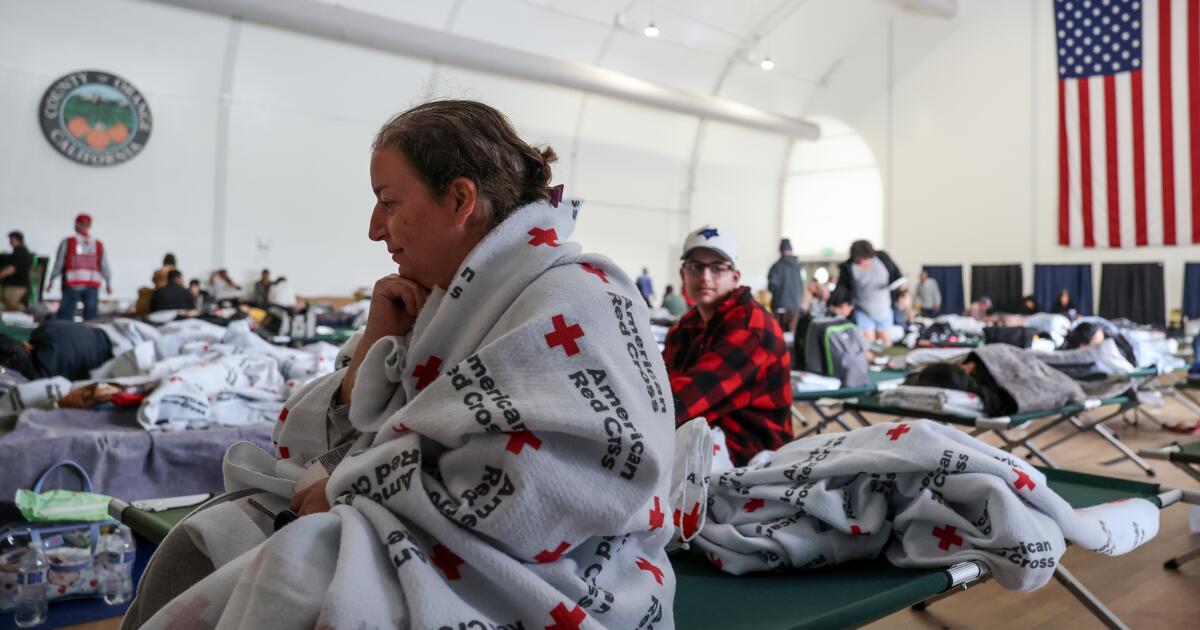
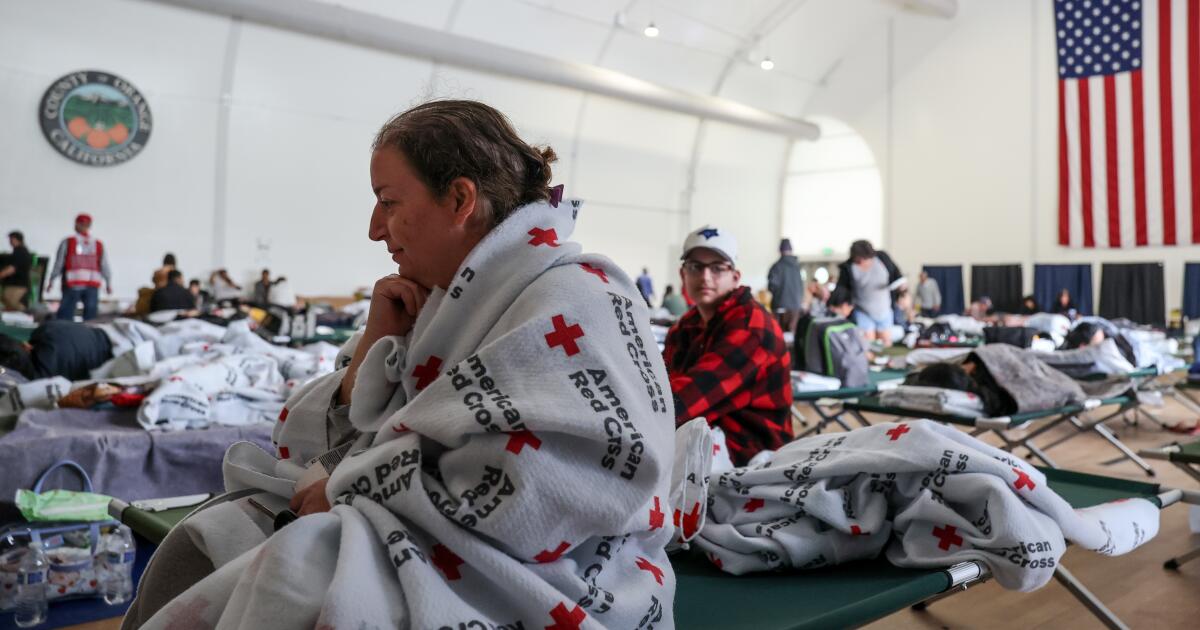
Evacuation orders were lifted in Orange County, California, on May 27, 2026, after a damaged chemical tank at GKN Aerospace in Garden Grove cooled sufficiently to eliminate the risk of a catastrophic explosion or leak, according to the Orange County Fire Authority (OCFA). Nearly 50,000 residents had been displaced earlier in the week, but the final 16,000 were allowed to return home after officials confirmed the tank’s pressure had been released via a crack, averting a potential boiling liquid expanding vapor explosion (BLEVE).
The Crisis Unfolds: A Timeline of Evacuations and Containment
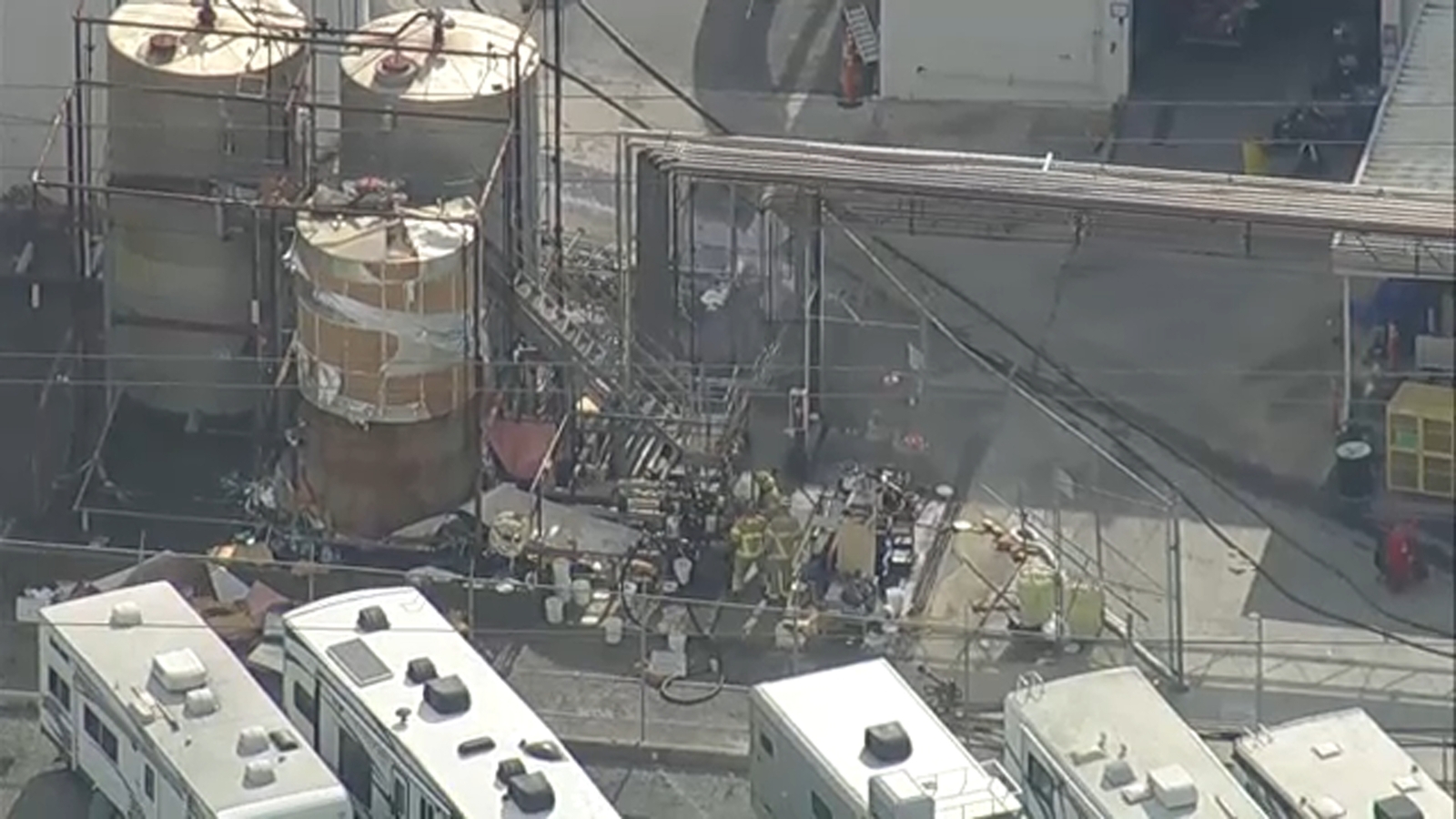
The crisis began on May 21 when a tank storing 6,500 gallons of methyl methacrylate (MMA), a highly toxic chemical, overheated and became unstable, prompting officials to warn of an inevitable explosion or spill. The Orange County Fire Authority (OCFA) initially faced two dire options: a BLEVE or a catastrophic leak, both of which would have posed severe risks to nearby residents. “On Thursday this incident started with two options, a major explosion, which we referred to as a BLEVE, or a catastrophic leak. We all found that unacceptable and we knew we had to come up with a plan,” said TJ McGovern, interim chief of the OCFA, in a press conference via USA Today.

For days, crews worked to mitigate the threat, including removing weather insulation and dousing the tank with water to cool it down. A critical turning point came when the tank cracked, releasing pressure and eliminating the BLEVE risk. “There’s still a little bit of work to do,” McGovern said, “but it is safe to return.” By Tuesday night, the OCFA declared that no further risks remained, allowing the final 16,000 evacuated residents to return home via ABC7 Los Angeles.
The Role of the Tank’s Crack in Averting Catastrophe
The tank’s crack, while initially alarming, proved to be a lifeline. “The tank cracked, allowing the pressure to release and eliminating the threat of a BLEVE,” reported ABC7 Los Angeles. Officials emphasized that while the risk of a fire or small explosion remained temporarily, crews eventually stabilized the tank, and air quality monitoring confirmed no hazardous levels of chemicals in the area. “No more risk of explosion or fire, officials say,” the outlet noted, citing the OCFA’s confirmation.
For more on this story, see Orange County chemical tank at risk of explosion after 7,000-gallon leak threat.
Incident commander Craig Covey highlighted the importance of verifying the tank’s temperature and mitigating chemicals in a second tank. “The news came after incident commander Craig Covey said responders had mitigated the chemicals in a second tank and verified that the compromised tank was maintaining its temperature,” via USA Today.
Public Outcry and Policy Questions
The incident has reignited debates about chemical safety and regulatory oversight. Letters to the editor in the Los Angeles Times criticized the proximity of toxic facilities to residential areas, citing past incidents like a 2022 styrene rail car explosion in western Riverside County and a 2024 incident near Cincinnati. “Why is this even possible in a residential area of Orange County?” asked one reader, while another compared the situation to the San Onofre nuclear facility, where “3.6 million pounds of eternally lethal nuclear fuel poison” is stored in “stainless cans less than an inch thick, only 100 feet from the tide mark.”
Residents have also filed a class-action lawsuit against GKN Aerospace, and officials continue to investigate the cause of the tank’s overheating. “Public safety demands ongoing prevention of such extreme hazards, not apologetic responses,” wrote Bob Buster, a former Riverside County supervisor, in the Los Angeles Times. He called for stricter regulations, funding for emergency preparedness, and the closure or buyout of the most dangerous sites.
This follows our earlier report, Garden Grove Chemical Leak Response Shifts.
What’s Next? Legal, Environmental, and Policy Implications
The OCFA’s investigation into the tank’s overheating remains ongoing, with no immediate details on whether regulatory violations occurred. Meanwhile, the Environmental Protection Agency (EPA) confirmed that air quality in the area met safety standards, though residents have expressed lingering concerns about long-term health impacts. “Air quality monitoring in the community had turned up nothing exceeding safety limits,” said Chris Myers, an EPA federal on-scene coordinator via USA Today.
The crisis has also intensified political pressure on California legislators. Assembly Bill 2647, which would lift a 50-year moratorium on new nuclear energy projects, is set for a vote, sparking debates about balancing energy needs with safety. Critics argue that the state’s infrastructure is unprepared for such risks, while proponents emphasize the economic and environmental benefits of nuclear power.
As the community begins to rebuild, the incident serves as a stark reminder of the delicate balance between industrial activity and public safety. “Garden Grove’s chemical crisis: Thousands flee as conditions worsen at damaged tank,” read one Los Angeles Times headline, a phrase that now echoes across Orange County and beyond.
