
Attorney General Ken Paxton secured a decisive victory over Senate veteran John Cornyn in Texas’ Republican primary runoff on May 26, 2026, marking a significant shift in the state’s political landscape and raising questions about the future of the MAGA movement’s influence in national politics. The win, backed by former President Donald Trump, signals the continued dominance of populist, anti-establishment figures within the GOP, even as it exposes fissures within the party over strategy and values.
The MAGA Momentum in Texas
Paxton’s triumph underscores the enduring power of the MAGA movement in Texas, where his campaign leveraged Trump’s endorsement and a base of voters disillusioned with traditional Republican leadership. The 59-year-old attorney general, who has faced repeated allegations of misconduct—including a 2023 impeachment by the Texas House over charges of corruption and abuse of power—positioned himself as a fiery defender of conservative principles. “Paxton’s campaign attacked Cornyn as too old, too timid, too aligned with the political establishment, and too out-of-touch with Texas conservatives,” the BBC reported, highlighting the stark contrast between the two candidates.

Trump’s public support for Paxton was a defining factor in the race. The former president, who has maintained a strong foothold in Texas despite his 2024 electoral defeat, praised Paxton’s “troll[ing] of Democrats” and his “burn-it-down nihilism,” according to *Time* magazine. This endorsement resonated with MAGA loyalists, who view Cornyn—a four-term senator and former Senate majority leader candidate—as a relic of the party’s establishment wing. “If you’re not wearing a red MAGA hat, you’ve gotta’ go,” *Time* quoted a Trump ally as saying, encapsulating the ideological divide.
Cornyn’s Institutional Legacy and the Shift
Cornyn’s loss represents the erosion of a long-standing Republican figurehead. The 74-year-old senator, who had served since 2001, was seen as a pragmatic negotiator who worked across the aisle and upheld Senate traditions like the filibuster. His defeat, however, reflects a broader trend of rank-and-file Republicans prioritizing ideological purity over institutional experience. “Cornyn was a contender to lead the Senate Republicans just two years ago,” *Time* noted, “but his record of bipartisanship and institutional loyalty became liabilities in a party increasingly defined by Trump’s populist agenda.”
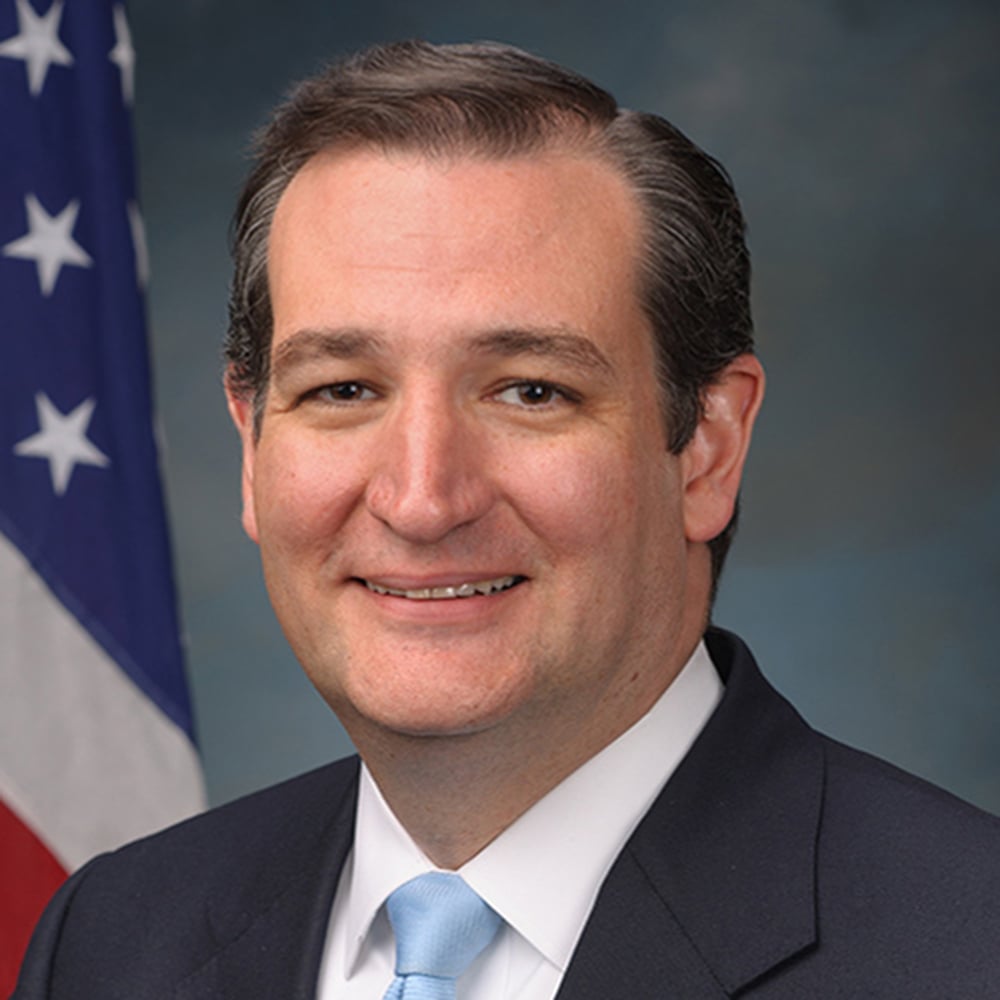
For more on this story, see Trump-Backed Paxton Surges in Texas Senate Runoff.
The runoff also exposed tensions within the GOP over how to balance Trump’s influence with electoral viability. While Paxton’s victory aligns with MAGA’s anti-establishment ethos, it has sparked concerns among some Republicans about the party’s ability to appeal to broader constituencies. “The state’s epic winning streak would be threatened with Paxton as the nominee,” *Time* quoted unnamed party officials as warning, citing his history of scandals and the potential for a competitive general election against a Democratic challenger.
Implications for the Senate and Trump’s Influence
The outcome has immediate ramifications for the 2026 Senate races, where Texas’ open seat could tilt the balance of power. Paxton’s nomination—likely to be confirmed by the GOP—could weaken the party’s chances in a state that has historically leaned Republican but is increasingly polarized. “This isn’t just about Texas,” said a political analyst quoted in *Time*. “It’s a test of whether Trump’s brand of politics can translate into national success or if it risks alienating moderates and independents.”
This follows our earlier report, Senate GOP Delays ICE Funding Bill Amid Trump’s $1.8B Settlement Fund.
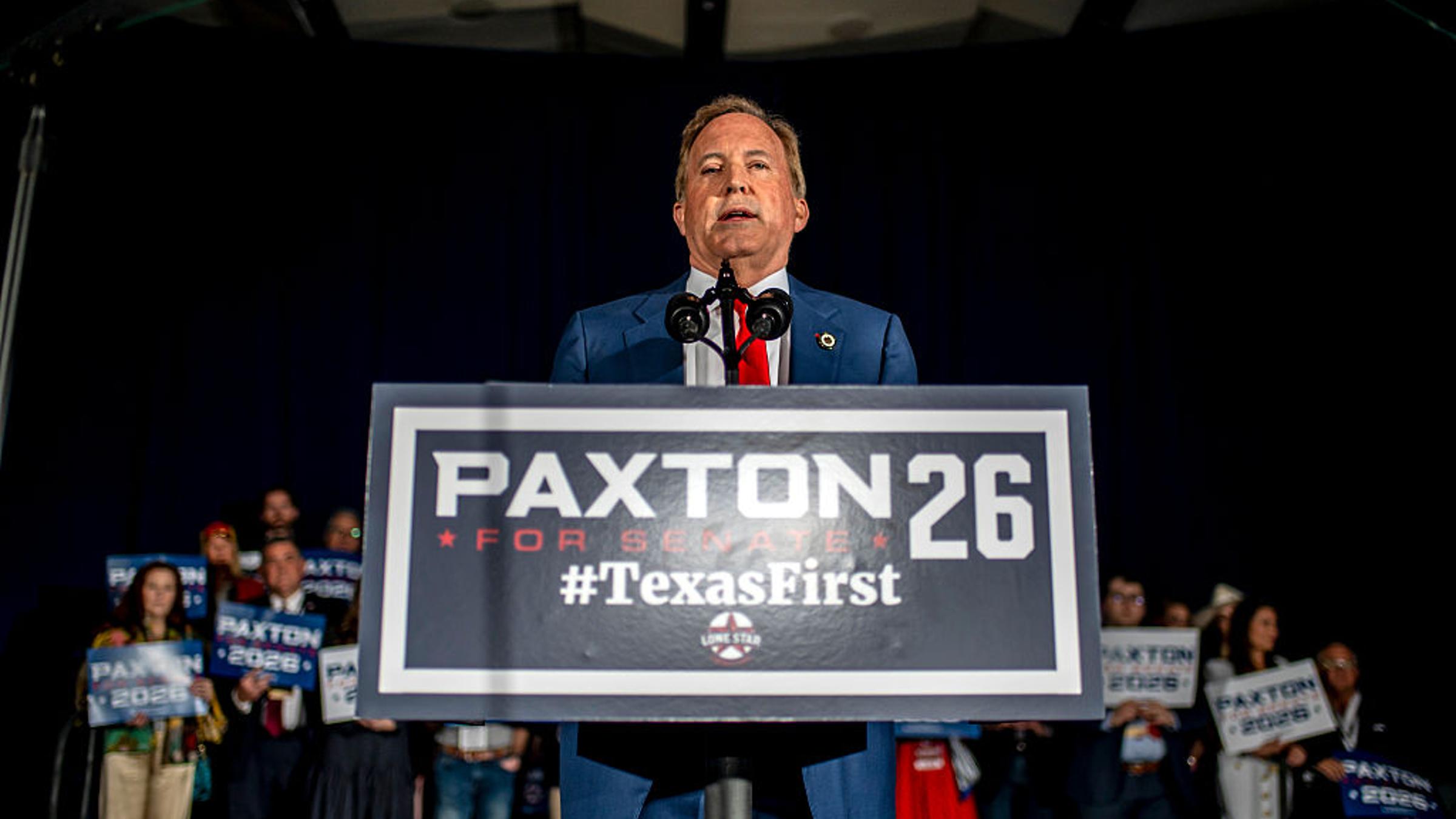
For Trump, the victory reinforces his clout over the GOP, even as his own legal troubles and policy stances—particularly on issues like Israel and Gaza—have drawn criticism from some within the party. The *Time* article noted that “the MAGA movement has developed cracks over these issues,” yet Paxton’s win suggests that Trump’s endorsement remains a decisive force in primary contests. “Trump’s backing of Paxton was a calculated move to maintain control over the party’s direction,” the magazine wrote, “but it also highlights the risks of alienating more moderate Republicans.”
What Comes Next?
As the 2026 cycle unfolds, Paxton’s campaign will face scrutiny over his legal vulnerabilities and policy positions. Meanwhile, the broader GOP must navigate the tension between MAGA’s populist fervor and the need to broaden its appeal. For now, the Texas primary serves as a microcosm of a party in flux, where loyalty to Trump often outweighs concerns about governance or electoral strategy. “This race wasn’t just about policy,” said a GOP strategist interviewed by the BBC. “It was about identity—whether the party would remain a coalition of diverse interests or become a vehicle for a single, uncompromising ideology.”
