Bureau of Immigration Faces Scrutiny Over Passenger Offloading Procedures
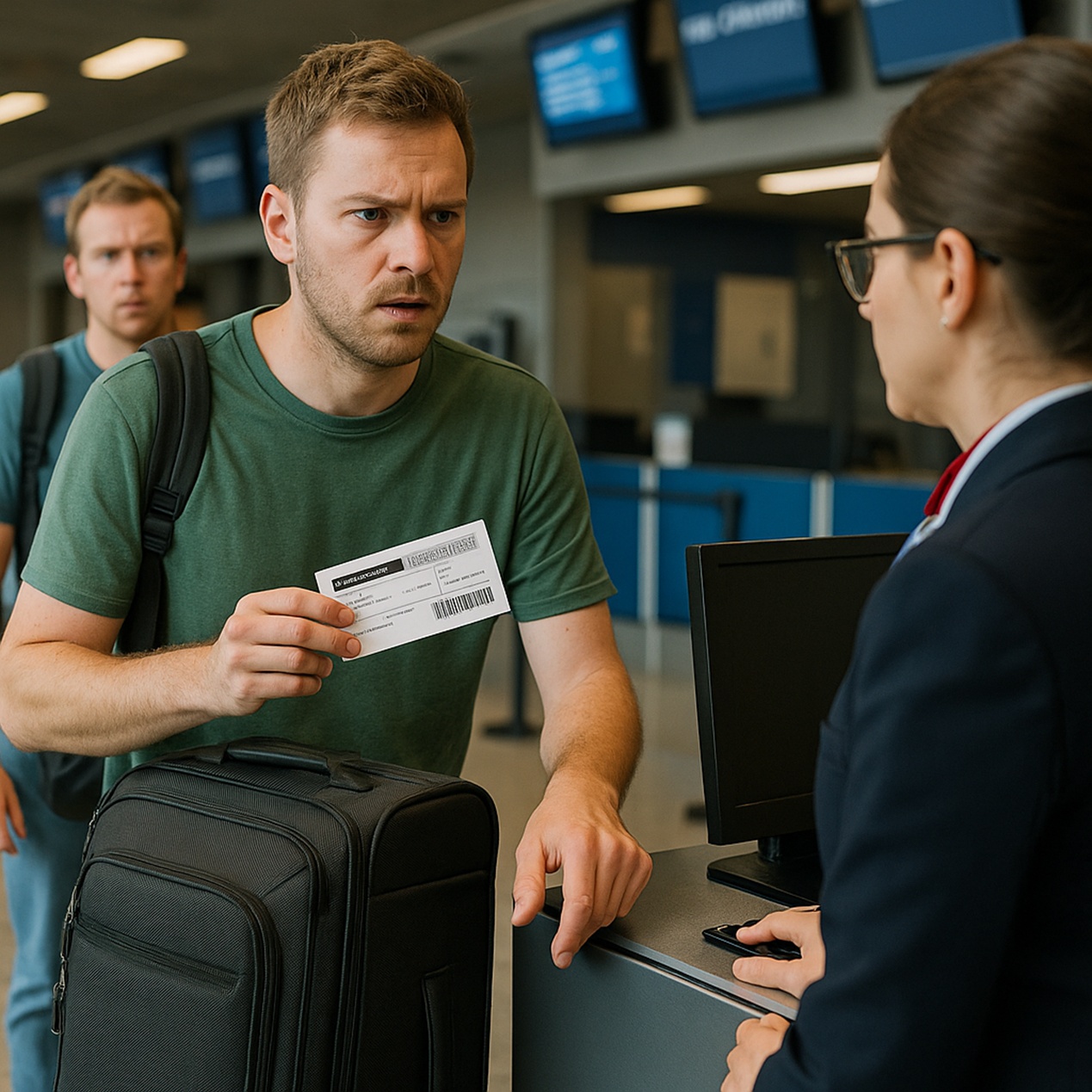
The Bureau of Immigration (BI) in the Philippines is defending its procedures following a series of high-profile cases involving passengers prevented from boarding international flights, sparking concerns about inconsistent application of regulations and potential violations of traveler rights. Recent incidents, including those involving a viral video and accusations of inconsistent statements, have prompted calls for greater transparency and accountability within the agency.
The latest controversy centers on a female passenger who was offloaded after allegedly providing inconsistent statements regarding the purpose of her trip. As GMA Network reported, BI officials claim the passenger’s responses raised red flags, triggering a deeper investigation that ultimately led to her being barred from departure. This followed a previous incident involving a Russian vlogger, Vitaly Zdorovetskiy, who was arrested after posting videos harassing Filipino citizens in Bonifacio Global City, Taguig. While the arrest addressed a separate issue of public order, it further highlighted the BI’s active enforcement of regulations concerning foreign nationals.
Addressing Concerns of Illegal Recruitment and Trafficking
BI Commissioner Joel Anthony Viado has emphasized the agency’s commitment to combating illegal recruitment and human trafficking, citing these as key justifications for stringent departure protocols. In a statement released by the Bureau of Immigration Philippines, Viado warned against illegal recruitment schemes and reiterated the BI’s role in protecting Filipinos from exploitation. The agency maintains that thorough screening processes are necessary to identify potential victims of trafficking and prevent them from being taken abroad under false pretenses.
However, critics argue that the BI’s procedures are often overly broad and lack sufficient due process. Passengers have reported being subjected to lengthy and intrusive questioning, with little explanation provided for the reasons behind their offloading. This has led to accusations of harassment and arbitrary decision-making, leaving travelers stranded and incurring significant financial losses.
Government Response and Proposed Legislation
The Department of Migrant Workers (DMW) has joined the effort to address the issue, leading a unified government push against illegal recruitment and labor trafficking. As reported by the Philippine Information Agency, the DMW is working with the BI and other agencies to strengthen enforcement efforts and provide assistance to victims of trafficking.
Recognizing the need for greater protection for Filipino travelers, Senator Raffy Tulfo has filed Senate Bill (SB) No. 1657, seeking to mandate reimbursement of travel expenses incurred by passengers who are deferred or denied boarding due to prolonged BI procedures. According to Manila Bulletin, Tulfo’s bill aims to address the financial burden imposed on passengers who are wrongly offloaded, acknowledging that current airline policies regarding refunds and rebookings are inconsistent and often insufficient.
The Balance Between Security and Traveler Rights
The debate surrounding the BI’s procedures highlights the delicate balance between national security concerns, the fight against trafficking, and the protection of individual traveler rights. While the agency has a legitimate mandate to enforce immigration laws and prevent illegal activities, it must also ensure that its actions are proportionate, transparent, and respectful of due process.
Experts suggest that improved training for BI personnel, clearer guidelines on questioning procedures, and a more robust appeals process could help to mitigate concerns about arbitrary offloading. Furthermore, greater coordination between the BI and airlines could help to streamline the departure process and minimize disruptions for legitimate travelers. The implementation of Senator Tulfo’s proposed legislation would provide a crucial safety net for those who are unfairly impacted by the BI’s procedures, offering a measure of financial relief and accountability.
The ongoing scrutiny of the BI’s practices underscores the importance of continuous review and improvement in order to maintain public trust and ensure that the agency effectively fulfills its mandate without infringing on the rights of Filipino citizens and foreign visitors alike. The situation demands a comprehensive approach that addresses both the security concerns and the legitimate grievances of travelers affected by these policies.
