
California and five other states held primary elections on Tuesday, as President Donald Trump’s appointment of Bill Pulte to director of national intelligence sparked fierce congressional debate over the reauthorization of Section 702 of the Foreign Intelligence Surveillance Act (FISA). The move drew sharp criticism from civil liberties groups and bipartisan lawmakers, who warned of risks to privacy and constitutional rights.
Trump’s FISA Play and the Pulte Controversy
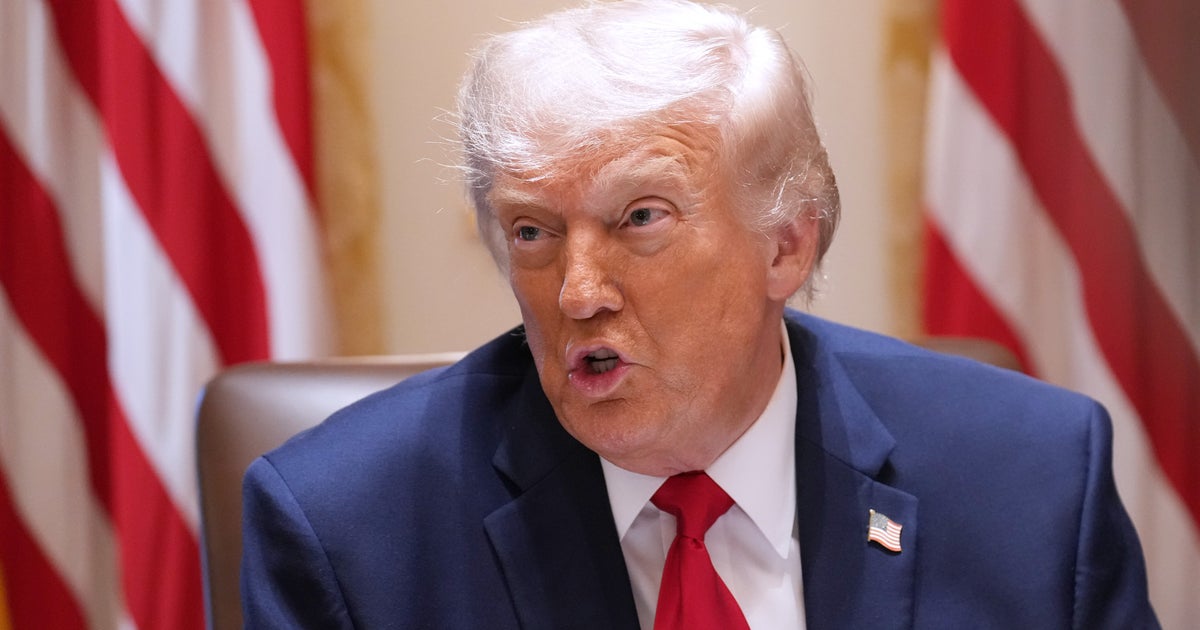
Trump’s selection of Bill Pulte, a Trump loyalist and former head of the Federal Housing Finance Agency, to lead the nation’s intelligence community has intensified scrutiny over the president’s handling of surveillance powers. Pulte, who previously accused political opponents of mortgage fraud while in his federal role, now faces questions about his suitability to oversee foreign intelligence operations. “Congress must not sign away unchecked spying powers to the government when Donald Trump’s top spy is a man whose primary qualification is his willingness to weaponize sensitive information held by the government against the president’s political enemies,” said Sean Vitka, director of the liberal group Demand Progress, in a statement. Source 1
Several Republican senators, including those who typically support expanded surveillance powers, questioned Pulte’s qualifications. Senator Mark Warner (D-Va.), the top Democrat on the Senate Intelligence Committee, condemned the appointment as a “disgrace.” “Rather than selecting a respected national security professional capable of delivering independent judgments, the president has chosen an official who has demonstrated not just willingness but eagerness to use the authorities of government to pursue political retribution,” Warner said. Source 1
For more on this story, see Trump Names Bill Pulte Acting National Intelligence Director.
The controversy comes as Congress prepares to debate a temporary reauthorization of Section 702, which allows the government to collect foreign intelligence without warrants. Civil liberties groups, including the ACLU and Indivisible, are pushing for reforms to require court approval for accessing Americans’ data collected during foreign surveillance. “Congress must not abandon Americans’ constitutional rights and instead should reject any extension that does not include key bipartisan reforms that would protect Americans’ privacy and civil rights and liberties,” the groups urged. Source 1
California’s Role in the Primary Elections
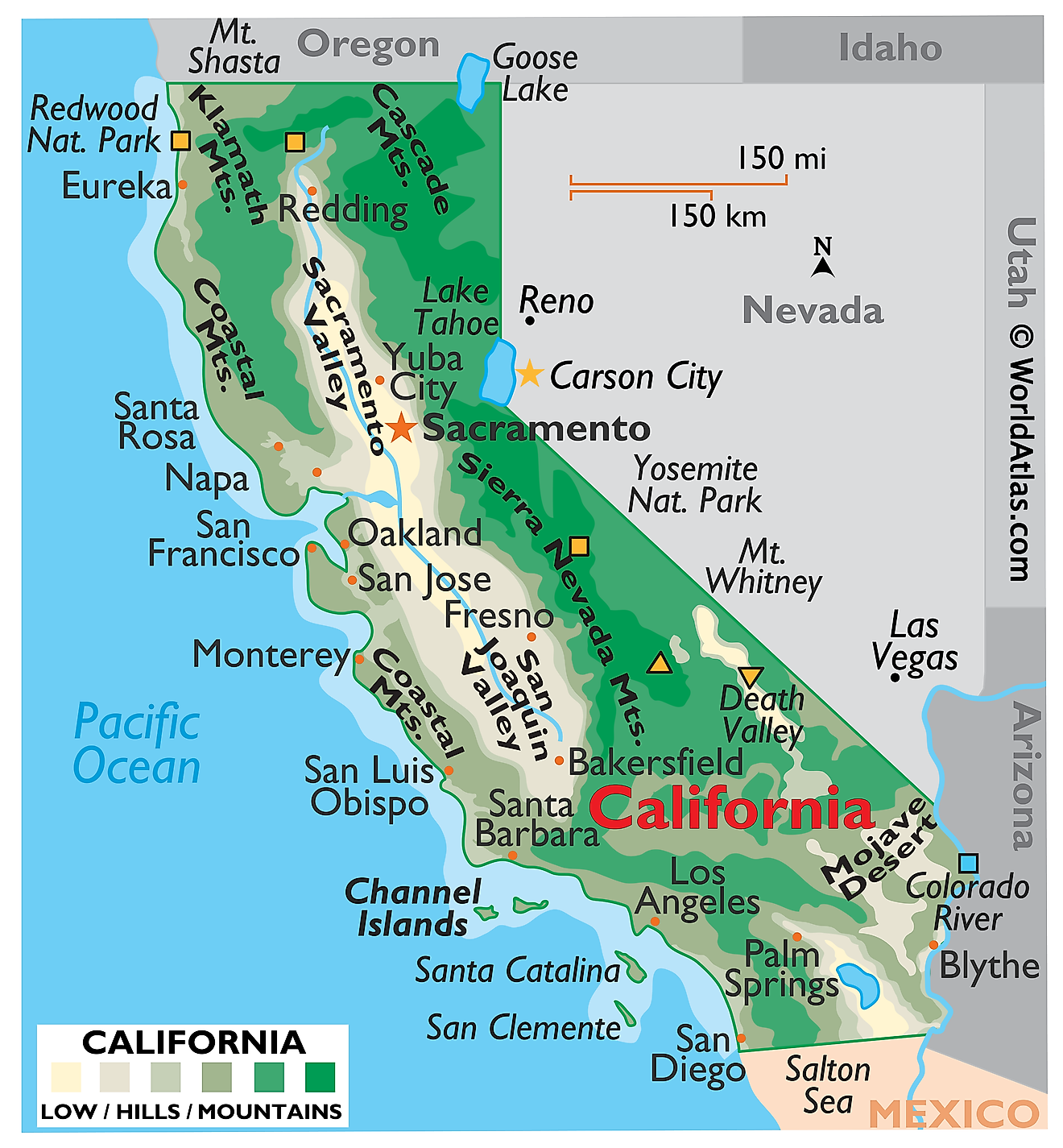
California, along with five other states, held primary elections on Tuesday, marking a critical phase in the 2026 political calendar. The Golden State, the nation’s most populous with over 39 million residents, has long been a battleground for both major parties. Its primary results often signal broader trends in the presidential race. Source 2
While the focus in Washington has been on FISA and Pulte, California’s primary elections highlighted local issues such as housing affordability, climate policy, and education reform. The state’s diverse geography, from the Sierra Nevada mountains to the Pacific coast, also shapes political priorities. “California’s unique blend of urban centers and rural communities makes it a microcosm of national challenges,” said a political analyst. Source 3
The state’s population density—251 people per square mile—complicates policy implementation, particularly in areas like transportation and healthcare. With cities like Los Angeles and San Francisco serving as innovation hubs, California’s political influence extends far beyond its borders. Source 4
Geography and Political Dynamics
California’s physical landscape has historically influenced its political and economic development. The Central Valley, a fertile agricultural heartland, contrasts sharply with the arid deserts of the southeast, where the Mojave Desert spans over 25,000 square miles. These regional disparities shape policy debates, from water allocation to energy production. Source 3
The Sierra Nevada range, home to Mount Whitney—the tallest peak in the contiguous U.S.—and Lake Tahoe, has become a focal point for environmental conservation efforts. Meanwhile, the state’s coastal regions, characterized by moderate climates and dense populations, drive discussions on climate resilience and coastal development. <a href
