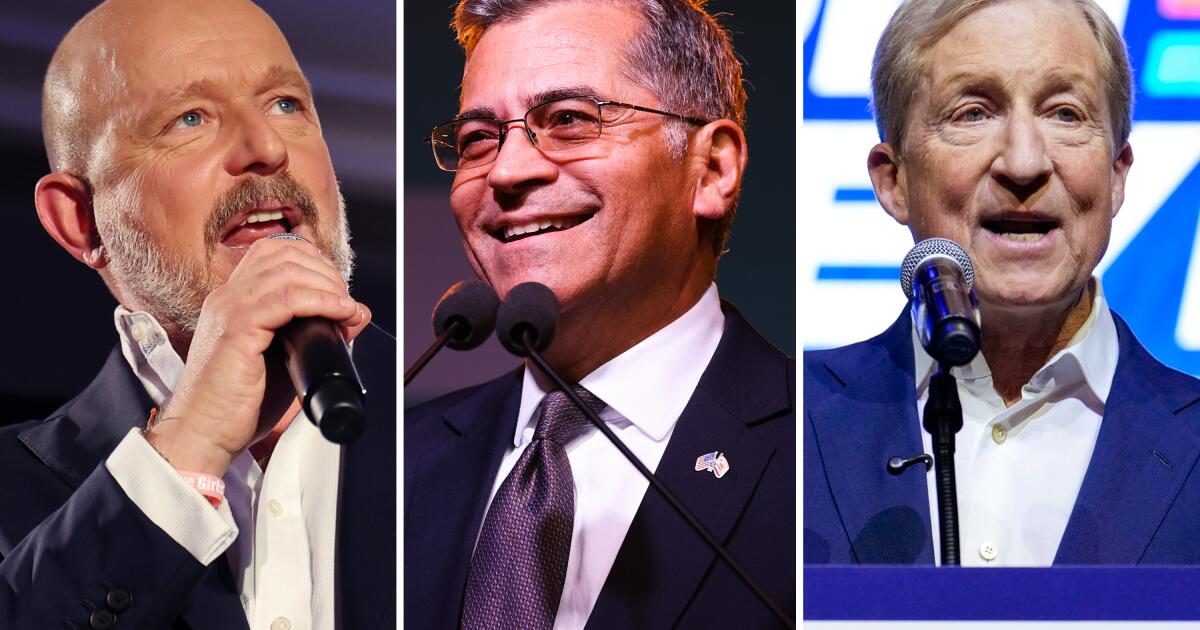
California’s 2026 governor’s race has tightened into a two-way battle between Republican Steve Hilton and Democrat Xavier Becerra, with billionaire Tom Steyer clinging to a fading chance of survival as election officials count the final ballots. As of Thursday, June 4, the outcome hinges on a handful of uncounted votes—and the political underdog story of a lifetime.
The race to replace term-limited Gov. Gavin Newsom has become a microcosm of California’s political divides. With Steve Hilton leading among Republicans and Xavier Becerra surging among Democrats, the top-two primary system means only these two will face off in November. But billionaire Tom Steyer, who spent more than $216 million of his own fortune on the campaign, refuses to concede, betting on a late surge of votes to force a runoff. Election data analyst Paul Mitchell warns Steyer’s path is nearly impossible: he’d need roughly 30% of the remaining ballots to leapfrog Becerra, who’s already cemented his position as the Democratic frontrunner.
How the Race Shaped Up: A Timeline of the Top Two
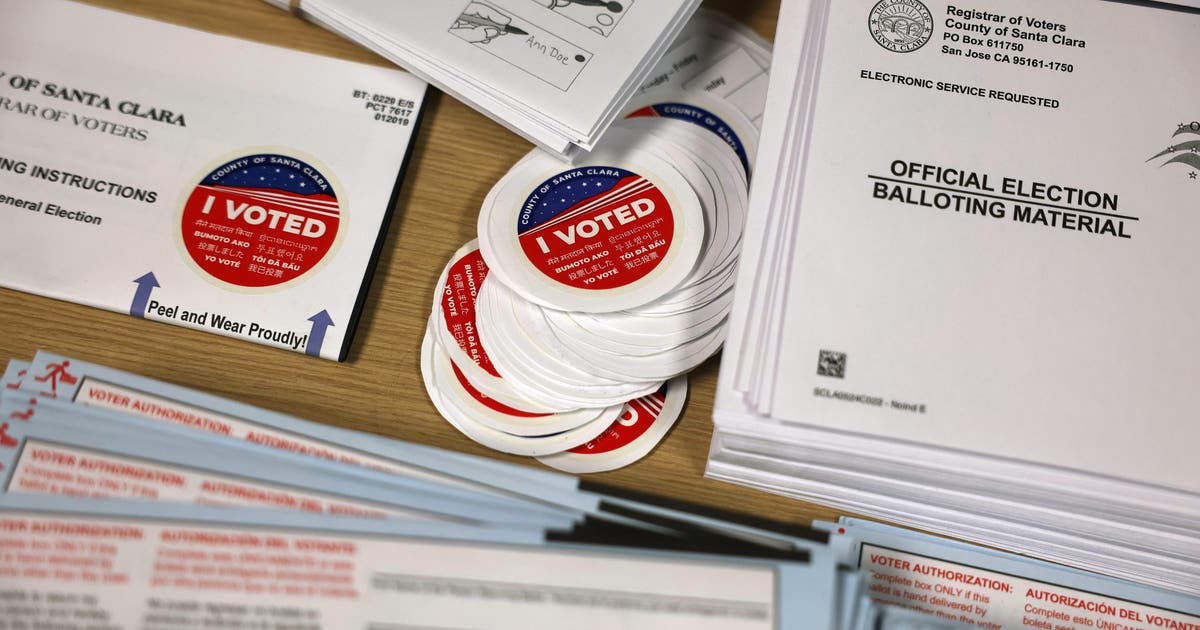
By Wednesday evening, June 3, the picture was clear: Hilton and Becerra had locked in the top two spots, with Steyer’s campaign clinging to a statistical longshot. The Los Angeles Times reported that election officials were still tallying ballots, leaving Steyer’s fate in the hands of late-arriving votes—many from Santa Clara County, where the race remains fluid. KTVU’s live coverage of the Santa Clara County primary underscored the stakes: this district, home to Silicon Valley’s tech workforce, could deliver the margin Steyer needs to stay alive.
Steyer’s campaign manager, Heather Hargreaves, sent a defiant message to supporters Wednesday, declaring, “We’re going to give democracy time to work.” The statement echoed a familiar Steyer playbook: patience, self-funding, and a willingness to outspend rivals. But the math is brutal. According to election data analyst Paul Mitchell, Steyer’s chances are “a very high hill to overcome.” The analyst noted that as more ballots are counted, the gap between Becerra and Steyer widens, making a comeback nearly impossible. “The runway is getting shorter and shorter,” Mitchell told reporters, adding that Steyer would need an improbable surge to even reach the runoff.
Becerra, a former U.S. attorney general and cabinet secretary under President Biden, has positioned himself as the Democratic underdog story of the cycle. His campaign resonated with voters after former Rep. Eric Swalwell’s exit from the race in April, triggered by allegations of sexual assault. Becerra seized the moment, framing his bid as a fight for California’s future. At his election-night rally in downtown Los Angeles, he told supporters, “Here in Hollywood’s hometown, we love a good underdog story.” He then invoked his immigrant parents’ struggles, declaring, “The underdog stayed in the fight. Like my parents, I never gave up. … Never stopped believing in the beacon-light goodness of California and thankfully, neither did you.”
Who’s Left Standing—and Why It Matters
Hilton, a British immigrant and former Fox News commentator, has framed his campaign as a rejection of California’s political establishment. His lead among Republicans reflects broader GOP frustration with Newsom’s progressive policies, particularly on housing, taxes, and immigration. Hilton’s victory in the primary would mark a historic shift: the first Republican governor in nearly a decade. But his path to November isn’t guaranteed—Becerra’s coalition of labor unions, environmental groups, and Latino voters remains formidable.
For more on this story, see California’s Top Two Gubernatorial Race Unclear After June 2 Primaries.
Steyer, meanwhile, has bet everything on a late surge. His $216 million self-funded campaign dwarfs his rivals’ budgets, but money alone can’t overcome the math. The billionaire’s platform—targeting investor-owned utilities, raising business property taxes, and imposing fees on AI—has struggled to resonate beyond his donor base. KPBS’s explainer on the race noted that Steyer’s team has declined interviews, instead relying on supporters to make his case. That silence contrasts sharply with Becerra’s grassroots appeal and Hilton’s media-savvy campaigning.
The stakes couldn’t be higher. A Hilton victory would shift California’s political landscape, potentially emboldening Republicans nationwide. A Becerra win would solidify Democratic control of the state’s executive branch, ensuring continuity with Newsom’s policies. And if Steyer somehow forces a runoff, it would be the most expensive governor’s race in U.S. history—a testament to California’s unique top-two primary system, where even the third-place finisher can dictate the outcome.
The Underdog Factor: Why Becerra’s Story Resonated
Becerra’s rise from underdog to frontrunner is a study in political timing and narrative. His campaign gained momentum after Swalwell’s exit, which triggered a wave of Democratic voter engagement. The Los Angeles Times highlighted how Becerra’s message—rooted in his immigrant parents’ struggles and his own journey as the first in his family to attend college—struck a chord with California’s diverse electorate. His rallying cry, “The underdog stayed in the fight,” tapped into a cultural narrative that resonates deeply in a state known for its progressive values.
But Becerra’s path wasn’t smooth. He faced calls to drop out early, given the financial disadvantage compared to Steyer’s war chest. Instead, he doubled down, leveraging his long political career and deep ties to California’s Latino community. His victory in the primary isn’t just a personal triumph—it’s a rejection of the idea that California’s politics are dominated by billionaires. As election analyst Paul Mitchell put it, “The challenge gets steeper and steeper as we get more data from the counties.” For Becerra, that data is working in his favor.
What Happens Next: The Runoff and November’s Showdown
The next 48 hours will be critical. County election officials are still counting ballots, with Santa Clara County—home to Silicon Valley’s tech workers and a key Democratic stronghold—remaining a wild card. KTVU’s live tracking of the Santa Clara primary results will be essential in determining whether Steyer can pull off the upset. If he falls short, his campaign will face a tough decision: concede gracefully or continue a legal challenge, though the latter would likely fail given California’s strict election laws.

If Hilton and Becerra advance to the November general election, the stage is set for a high-stakes showdown. Hilton’s campaign has framed the race as a choice between “change” and the status quo, while Becerra’s team is expected to paint Hilton as a threat to California’s progressive values. The runoff could hinge on turnout among Latino voters, young progressives, and suburban moderates—all groups that will decide whether California’s political future tilts left or right.
One thing is certain: this race is far from over. Steyer’s refusal to concede, Becerra’s underdog momentum, and Hilton’s outsider appeal ensure that California’s governor’s race will remain one of the most watched—and consequential—political battles of 2026. The next chapter begins Thursday, when county officials release their final vote counts. Until then, the underdog story of Xavier Becerra—and the billionaire’s last-ditch gamble—will keep California on the edge of its seat.
The Los Angeles Times reported that election data analyst Paul Mitchell warned Steyer’s chances of forcing a runoff are “a very high hill to overcome.” Meanwhile, KTVU’s live coverage highlighted the critical role Santa Clara County could play in Steyer’s final push. For deeper context on the candidates’ platforms, KPBS’s explainer breaks down Steyer’s controversial history in climate activism and his proposed policies.
