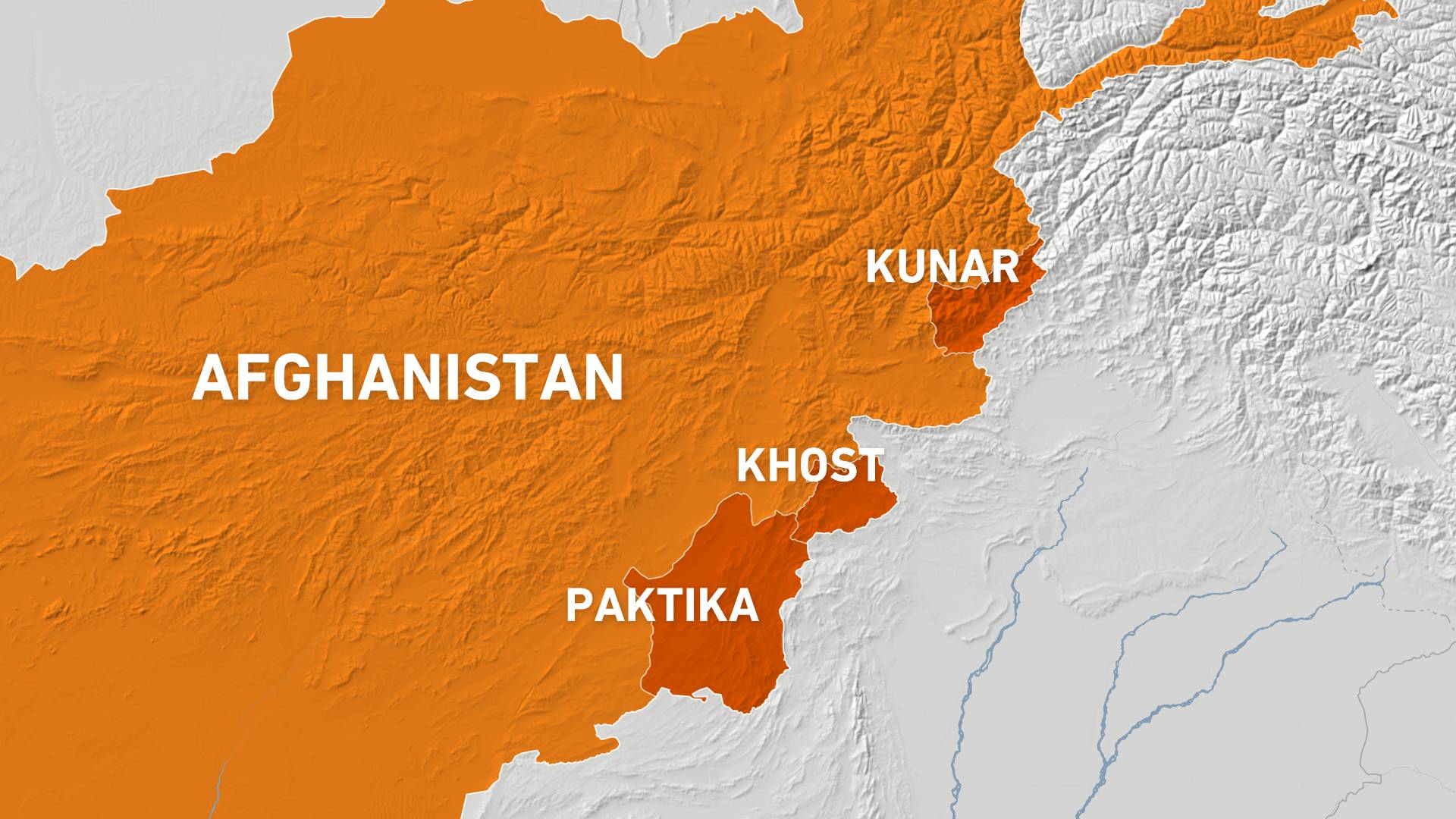
Pakistan’s military launched airstrikes deep inside Afghanistan on Tuesday night, killing at least 13 civilians—including 11 children—and wounding 14 others, according to Afghanistan’s Taliban government. The attacks, which struck the provinces of Kunar, Khost, and Paktika, escalate a border conflict that has already claimed hundreds of lives this year and threatens to undo a fragile ceasefire brokered by China in March. While Pakistan’s government has not yet commented on the strikes, officials in Islamabad previously claimed such operations target militants linked to the Pakistani Taliban (TTP), a group Afghanistan denies sheltering.
Where the strikes happened—and who was killed
The deadliest attack occurred in Khost province, where a house in the Spera district was struck, killing nine people and wounding 10, according to an official from the Khost provincial government speaking to the AFP news agency. In neighboring Paktika, a separate airstrike hit a home in the Barmal district, killing three children, residents told AFP. The Taliban’s chief spokesman, Zabihullah Mujahid, confirmed the strikes in a post on X, stating that the victims included 11 children, one woman, and an elderly man. The Taliban condemned the attacks as a “humanitarian crime and act of aggression,” though Pakistan has not yet responded.
Why this matters: A ceasefire in name only
The latest violence underscores the fragility of a ceasefire agreement reached in March, when China hosted talks in Urumqi aimed at de-escalating the conflict. Both sides agreed not to escalate, but the truce collapsed within weeks as accusations of violations piled up. The United Nations reported in May that cross-border fighting had killed at least 372 Afghan civilians and injured 397 in the first three months of 2026 alone—a toll that has likely risen since.
For more on this story, see Hezbollah-targeted Israeli Strikes Kill at Least 8 in Tyre.
The human cost—and the stakes for regional stability
The death of 11 children in a single strike is a stark reminder of the human toll of this conflict. In March, Pakistan’s airstrikes hit a drug-treatment center in Kabul, killing more than 400 people—a claim Pakistan denied, insisting it had struck an ammunition depot. The lack of transparency from both sides has fueled distrust, with neither government providing independent verification of civilian casualties.What happens next: A cycle of retaliation or a path to peace?
With no immediate comment from Pakistan and the Taliban’s condemnation still unanswered, the risk of further escalation remains high. The TTP’s recent attack in Khyber Pakhtunkhwa—just hours before the airstrikes—suggests the group is still active and willing to provoke a response. Pakistan’s Interior Minister, Mohsin Naqvi, has vowed to intensify operations against militants, a move that could draw Afghanistan deeper into the conflict.Find more reporting in our World section.
