
Creatine Supplementation Gains Traction Beyond Athletes
Interest in creatine supplementation is expanding beyond its traditional user base of athletes and bodybuilders, with growing evidence suggesting benefits for cognitive function, bone health, and overall wellness, particularly as people age. This shift is driven by increasing awareness of creatine’s role in cellular energy production and its potential to mitigate age-related declines in muscle mass and strength. Understanding the science behind creatine is crucial as it becomes a more mainstream supplement.
What is Creatine and How Does it Work?
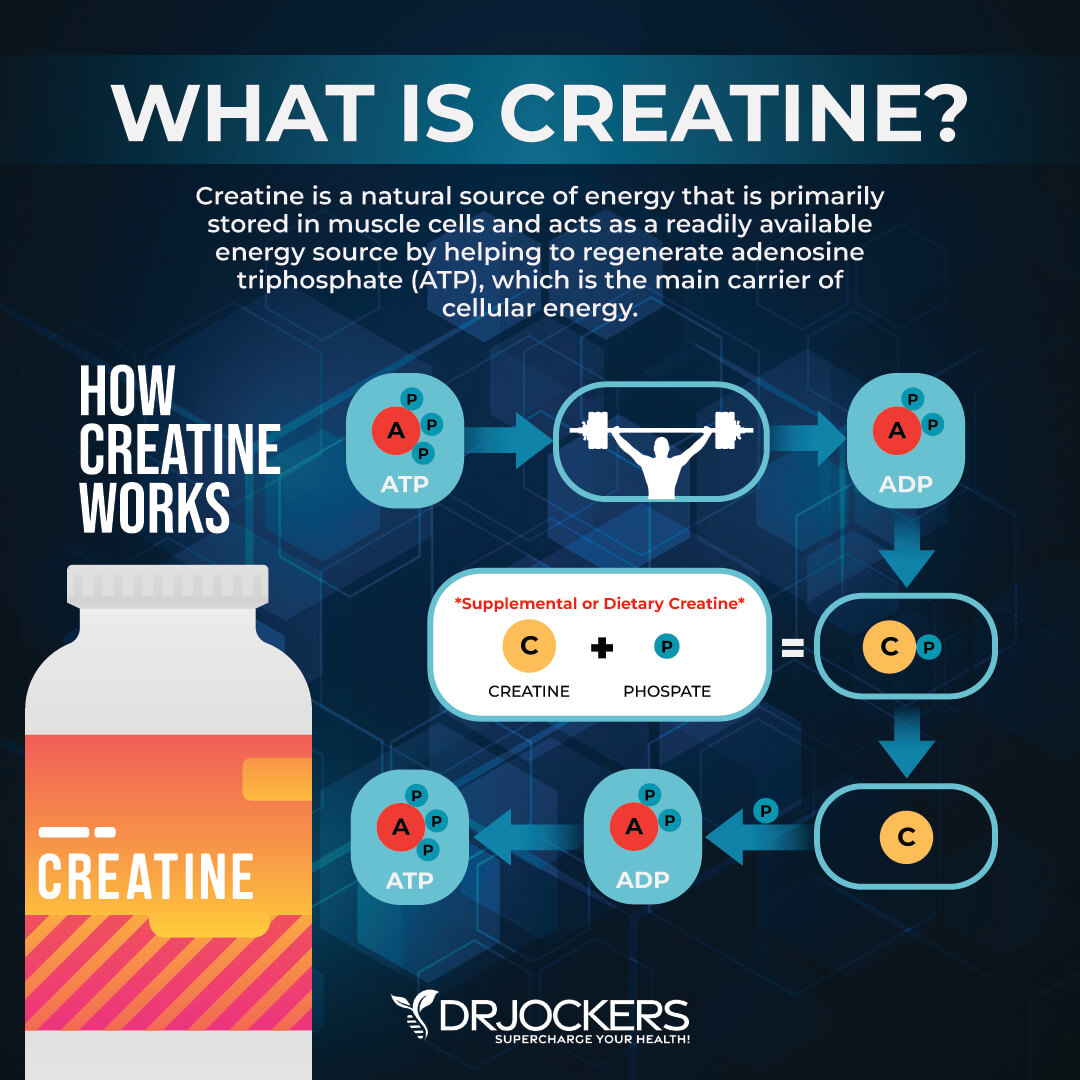
Creatine is a naturally occurring compound found in muscle cells. It plays a vital role in producing energy during high-intensity exercise. The body also produces creatine from amino acids, and it’s found in small amounts in certain foods like meat and fish. Supplementing with creatine increases the body’s stores of phosphocreatine, which helps rapidly regenerate adenosine triphosphate (ATP), the primary energy source for muscle contractions, as noted in research from the Cedars-Sinai Medical Center. This allows for more powerful and sustained muscle activity.
Personal Experiences Highlight Benefits for Women
Recent reports detail the experiences of women exploring creatine supplementation to enhance their health and fitness routines. A 40-year-old woman documented her 100-day trial with creatine, meticulously tracking changes in body composition, including fat mass, muscle mass, and bone density. While specific results varied, the experience underscored creatine’s potential beyond muscle building, as reported by LADbible. Another woman, aged 43, shared her experience on YouTube, noting improved energy levels and increased strength during workouts after incorporating creatine into her regimen.
Cognitive Benefits and Potential for Neurological Health
Emerging research suggests creatine may also benefit brain health. Dr. Rhonda Patrick has described creatine as a “game changer” for brain function, advocating for a daily dose of 10 grams, as detailed by Fitness Volt. Approximately 5% of the body’s creatine is stored in the brain, where it plays a role in energy production for neuronal activity. Studies indicate creatine supplementation may improve cognitive function, memory, and mood, particularly in situations of stress or sleep deprivation.
Impact on Bone Health and Age-Related Changes
The potential benefits of creatine extend to bone health, an increasingly important consideration as people age. Research suggests that combining creatine supplementation with resistance training could improve bone density, potentially mitigating the risk of osteoporosis, especially in postmenopausal women. As noted in reporting from Women’s Health Magazine, hormonal changes during menopause can lead to decreased muscle mass and bone density, making interventions like creatine supplementation particularly valuable.
Dosage and Considerations
While creatine is generally considered safe for healthy individuals, it’s essential to understand proper dosage and potential side effects. A common protocol involves a loading phase of 20-25 grams per day for 5-7 days, followed by a maintenance dose of 3-5 grams per day. Some individuals may experience mild gastrointestinal discomfort, such as bloating or stomach cramps, particularly during the loading phase. Staying adequately hydrated is crucial when taking creatine, as it draws water into muscle cells.
From Sports Staple to Multi-Functional Ingredient
The evolution of creatine from a niche sports supplement to a more widely recognized health aid reflects a growing understanding of its multifaceted benefits. As Nutritional Outlook reports, creatine is now being investigated for its potential in addressing various health concerns, including age-related muscle loss, neurological disorders, and cardiovascular disease. Further research is needed to fully elucidate the long-term effects of creatine supplementation and to optimize its use for different populations, but the current evidence suggests a promising role for this compound in promoting overall health and well-being. Read more on Globally Pulse Health.
