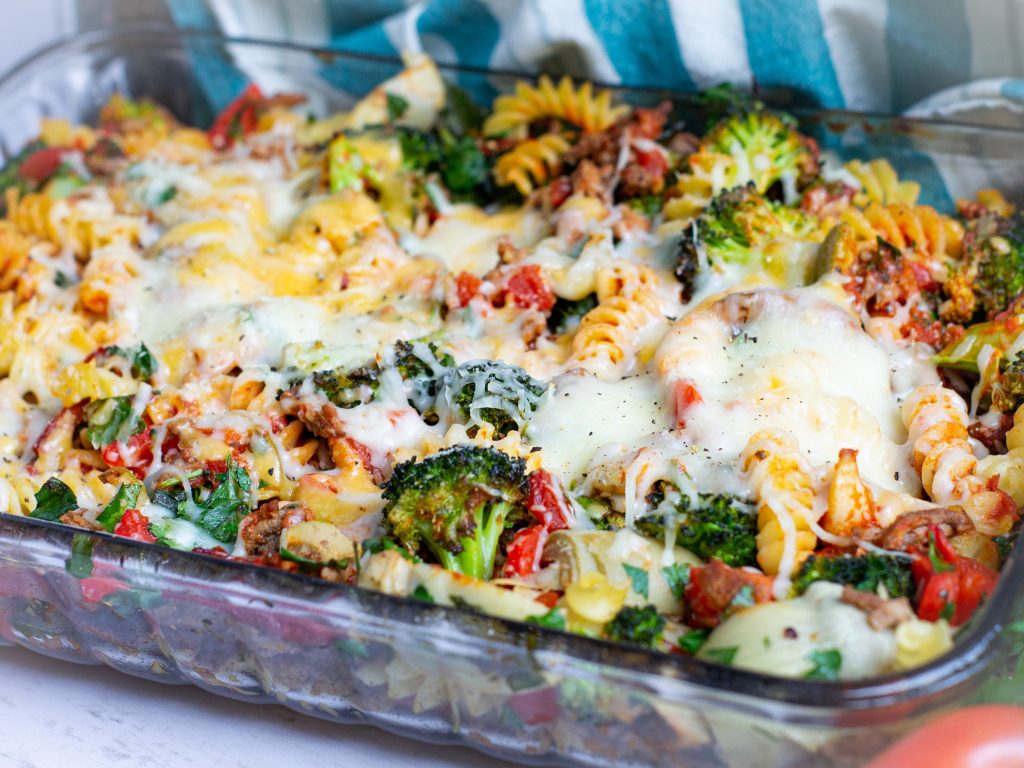
The Mediterranean diet remains a top-tier nutritional framework for cardiovascular health, according to the 2026 Dietary Guidelines Advisory Committee updates. While social media trends highlight high-protein casserole recipes, clinicians emphasize that long-term health outcomes depend on consistent intake of legumes, whole grains, and lean proteins rather than specific viral dish preparations.
Nutritional Foundations of the Mediterranean Pattern
The Mediterranean diet is characterized by a high intake of monounsaturated fats, primarily from olive oil, alongside a significant consumption of vegetables, fruits, legumes, and unrefined cereals. As of June 2026, the American Heart Association (AHA) continues to classify this dietary pattern as a primary intervention for reducing the risk of coronary heart disease and stroke. The clinical focus remains on the synergy of nutrients rather than the isolation of a single macronutrient.
High-protein variations of Mediterranean-style meals often incorporate lentils, chickpeas, or beans as the base. These legumes serve as critical sources of both plant-based protein and dietary fiber. According to the National Institutes of Health (NIH), increasing fiber intake is associated with improved glycemic control and lipid profiles in adults. When home cooks assemble a casserole using these staples, they are adhering to the fundamental principles of the diet, provided the addition of saturated fats—such as heavy creams or excessive cheese—is minimized.
Evaluating Protein Density in Plant-Forward Cooking
The recent popularity of “high-protein” Mediterranean casseroles often stems from the inclusion of Greek yogurt or lean animal proteins like chicken breast or white fish. From a clinical perspective, the protein content of a meal is vital for muscle protein synthesis and satiety. However, the source of that protein dictates the overall health impact.
Research published in the *Journal of the American College of Cardiology* emphasizes that replacing red and processed meats with plant-based proteins or lean poultry significantly lowers cardiovascular mortality risk. A casserole that leans on legumes, nuts, and seeds provides an amino acid profile conducive to metabolic health. When individuals substitute refined carbohydrates with these nutrient-dense alternatives, the resulting dish aligns with the clinical definition of a health-promoting meal.
Clinical Perspectives on Dietary Consistency
Public health experts caution against viewing specific recipes as singular health solutions. The efficacy of the Mediterranean diet is not found in a single baked dish, but in a cumulative pattern of eating over years. Dr. Elena Rossi, a clinical nutritionist, notes that the focus should remain on the baseline of the diet.
The health benefits associated with the Mediterranean diet are the result of a lifelong dietary habit, not the occasional preparation of a specific high-protein casserole. Patients should prioritize the inclusion of diverse, minimally processed foods at every meal to see measurable improvements in biomarkers like blood pressure and HDL cholesterol.
Elena RossiMediterranean Diet Meal Plan | 7 days
Dr. Elena Rossi, Clinical Nutritionist
Clinicians often advise patients to monitor the sodium content in casserole-style dishes. Prepared sauces or canned legumes can introduce high levels of sodium, which may counteract the blood pressure-lowering benefits of the diet. Utilizing fresh herbs, garlic, and citrus for flavor, rather than salt or high-sodium broths, is a standard recommendation to maintain the integrity of the nutritional profile.
Practical Application for Home Cooking
Mediterranean Diet Casseroles
For those looking to integrate high-protein Mediterranean principles into their routine, the most effective approach involves batch preparation of core ingredients. Keeping cooked chickpeas, lentils, and roasted vegetables on hand allows for the assembly of meals that meet nutritional requirements without relying on complex, multi-step recipes that may lead to the inclusion of hidden additives.
The 2026 consensus among dietetic professionals is that the “casserole” format is an excellent vehicle for fiber and protein, provided the cook remains mindful of the ingredient list. The transition toward plant-forward proteins remains a central pillar of current nutritional guidance for the general public. As with any significant shift in dietary habits, individuals should consider their specific metabolic needs and health history.
Consult your healthcare provider or a registered dietitian before making significant changes to your dietary regimen to ensure that your nutritional intake aligns with your specific health goals and medical requirements.
Dr. Nadia Rowe oversees medical, science, and wellness reporting. Holding a public-health doctorate and having contributed to Health Spectrum Review, she bridges scientific rigor with accessible communication. Her mission: make accurate health information available to everyone.