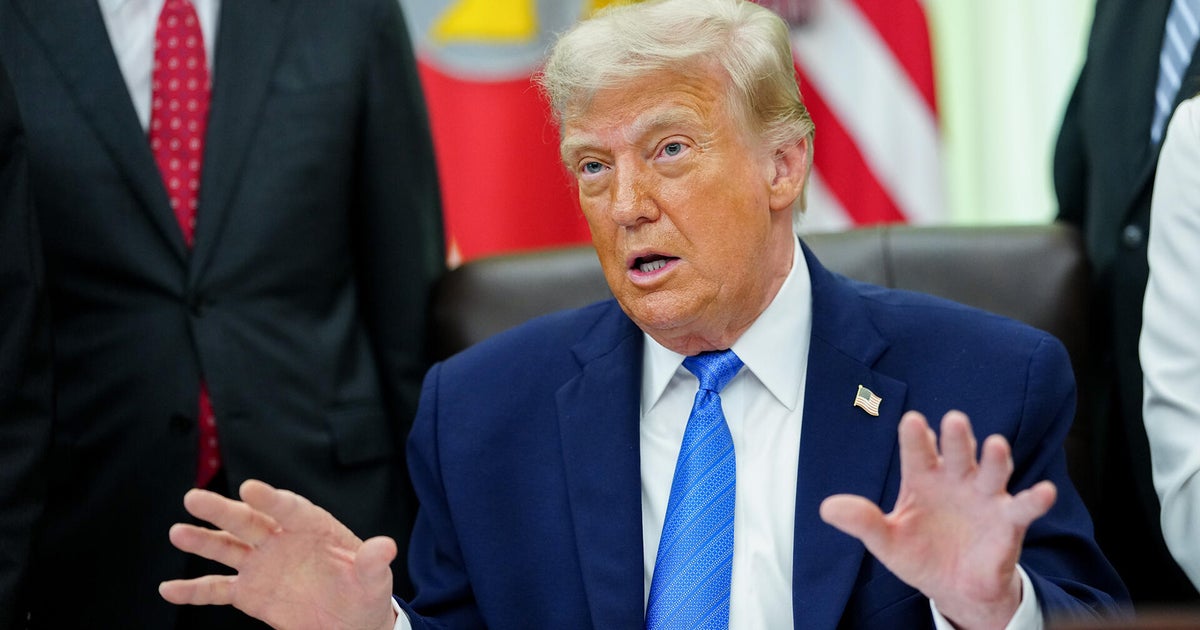
President Donald Trump claimed a “settlement” with Iran is nearing completion, with a potential signing as early as this weekend, according to CBS News, while conflicting reports highlight unresolved tensions and humanitarian impacts of the ongoing conflict. The White House has not officially confirmed the deal, and Iranian officials have disputed key aspects of Trump’s assertions.
Trump’s Ambiguous Stance on Iran Strikes
Trump told Fox & Friends on May 23, 2026, that the U.S. would conduct “bigger” strikes on Iran, though he expressed uncertainty about public support for an operation to seize the strategically vital Kharg Island. “There will be more bombing tonight. It will be bigger – bigger, more powerful,” he said, adding that Iran is “dying to make a deal.” He emphasized a preference for avoiding ground troops but suggested the U.S. could “put a small group of soldiers and take over the whole place” if needed. Trump also claimed the U.S. dropped $250 million worth of bombs on Iran on Wednesday alone, a figure cited by CBS News.

Iran’s President Masoud Pezeshkian countered that Trump’s threats to strike civilian infrastructure, such as power plants, reflect “not a strength but a sign of desperation in the face of a nation’s will.” Iran reported that U.S. strikes this week damaged a water storage facility, leaving 20,000 civilians without fresh water, according to the same source.
For more on this story, see Trump Storms Out of Meet the Press Interview Over $1.776 Billion Fund.
Negotiation Progress and Discrepancies
While Trump announced on May 22 that a deal to end the war and reopen the Strait of Hormuz was “largely negotiated,” conflicting accounts emerged. The Iranian Foreign Ministry stated that the U.S. and Iran were in the “final stage” of a memorandum of understanding, with “positions becoming closer,” according to NPR. However, Iran’s semi-official Fars news agency disputed Trump’s claim that Iran would no longer control access to the Strait, calling it “inconsistent with reality.”
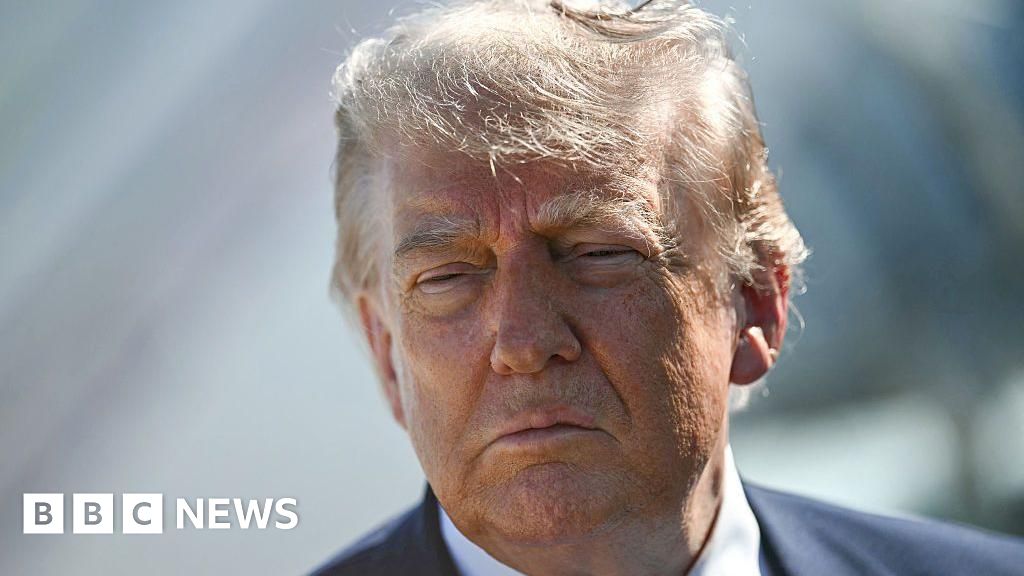
U.S. Secretary of State Marco Rubio, speaking in Delhi on May 20, mentioned “a pretty solid thing on the table” regarding the Strait of Hormuz, but emphasized the need for “time-limited negotiation on the nuclear matter,” as reported by the BBC. Pakistani mediators, however, expressed optimism, with Foreign Minister Ishaq Dar stating on X that “the achievements of these negotiations offer grounds for optimism that a positive and durable outcome is within reach.”
This follows our earlier report, US Strikes Iran Multiple Times Amid Tensions Over Strait of Hormuz.
Human Impact of the Conflict
The conflict has devastated livelihoods, particularly for migrant workers in Lebanon. Matennah Sawanah, a 33-year-old from Sierra Leone, described losing her hotel job amid Israel’s bombing campaign against Hezbollah, leaving her and 24 others in a cramped apartment struggling to afford rent. “There is no job for us. It’s really hard,” she told NBC News. Over 24 million migrant workers across the Arab world face similar challenges, with some reporting injuries or deaths in airstrikes, according to the International Labor Organization.
Lebanese officials have pledged to provide aid to displaced individuals, regardless of their status. “A displaced [person] is a displaced [person], regardless of his identity,” said Mortada Mhanna, head of the disaster unit in Tyre, Lebanon. However, many migrant workers remain unsure how to access bomb shelters, as highlighted by Mustafa Qadri of the labor rights group Equidem.
Read also: Trump Unveils $1.776 Billion Anti-Weaponization Fund.
Key Unanswered Questions
The timeline for a potential deal remains unclear. Trump has repeatedly shifted between declaring the conflict near an end and escalating military actions, raising questions about his strategy. Meanwhile, Iran’s Foreign Ministry has not confirmed whether it will allow ships to pass through the Strait of Hormuz, despite Trump’s assertions. The role of international mediators, such as Pakistan, and the humanitarian toll on civilians like Sawanah underscore the complexity of the situation.
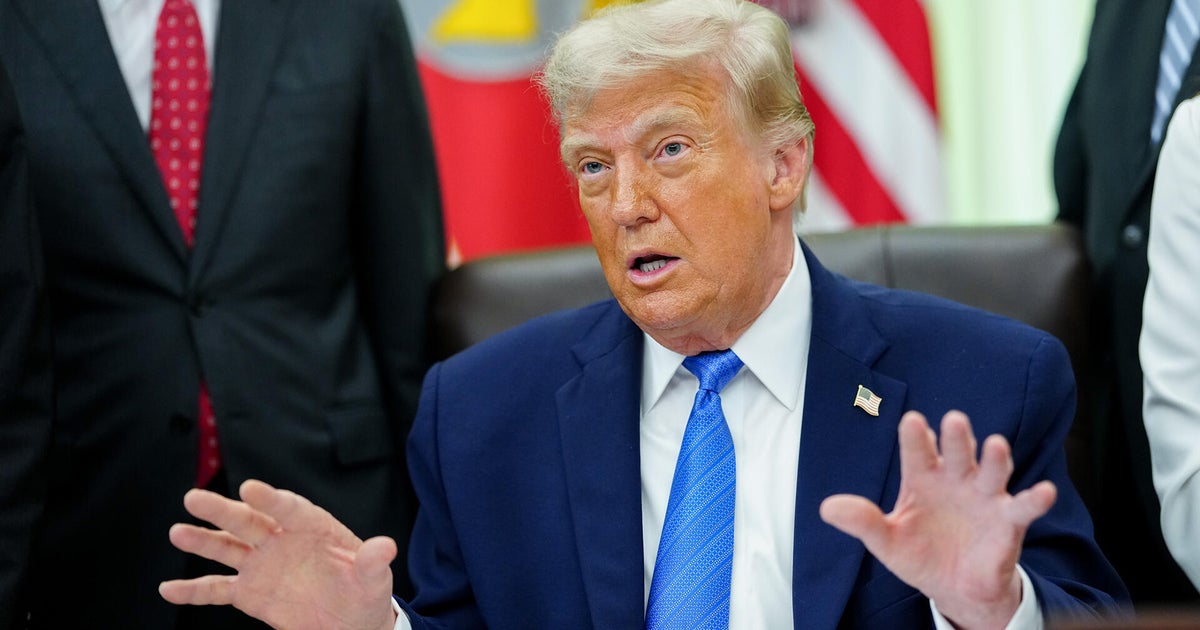
As the deadline for a potential agreement approaches, the U.S. and Iran continue to navigate a delicate balance between diplomacy and military posturing, with global economic and human costs hanging in the balance.
Find more reporting in our News section.
