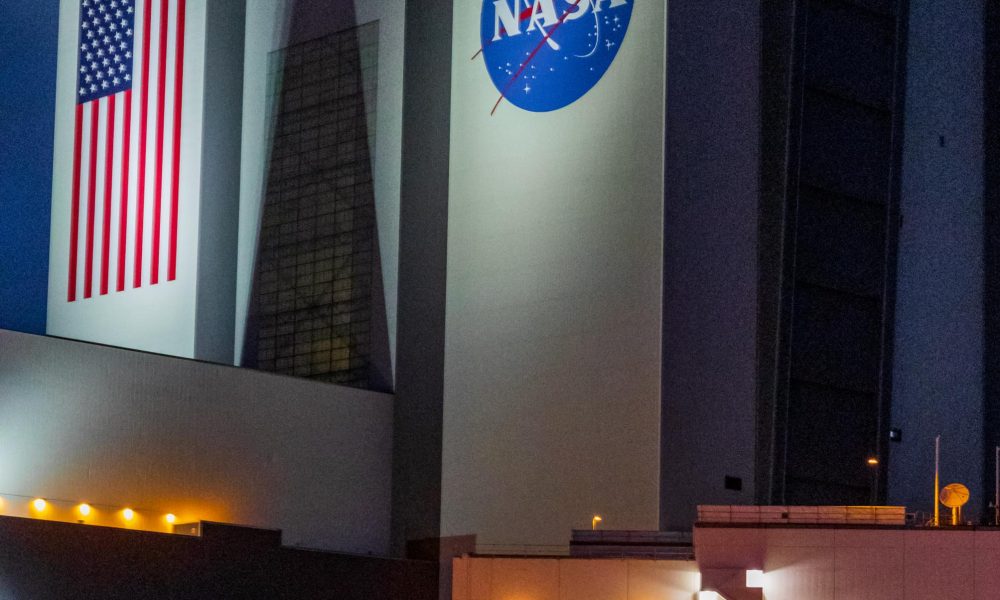
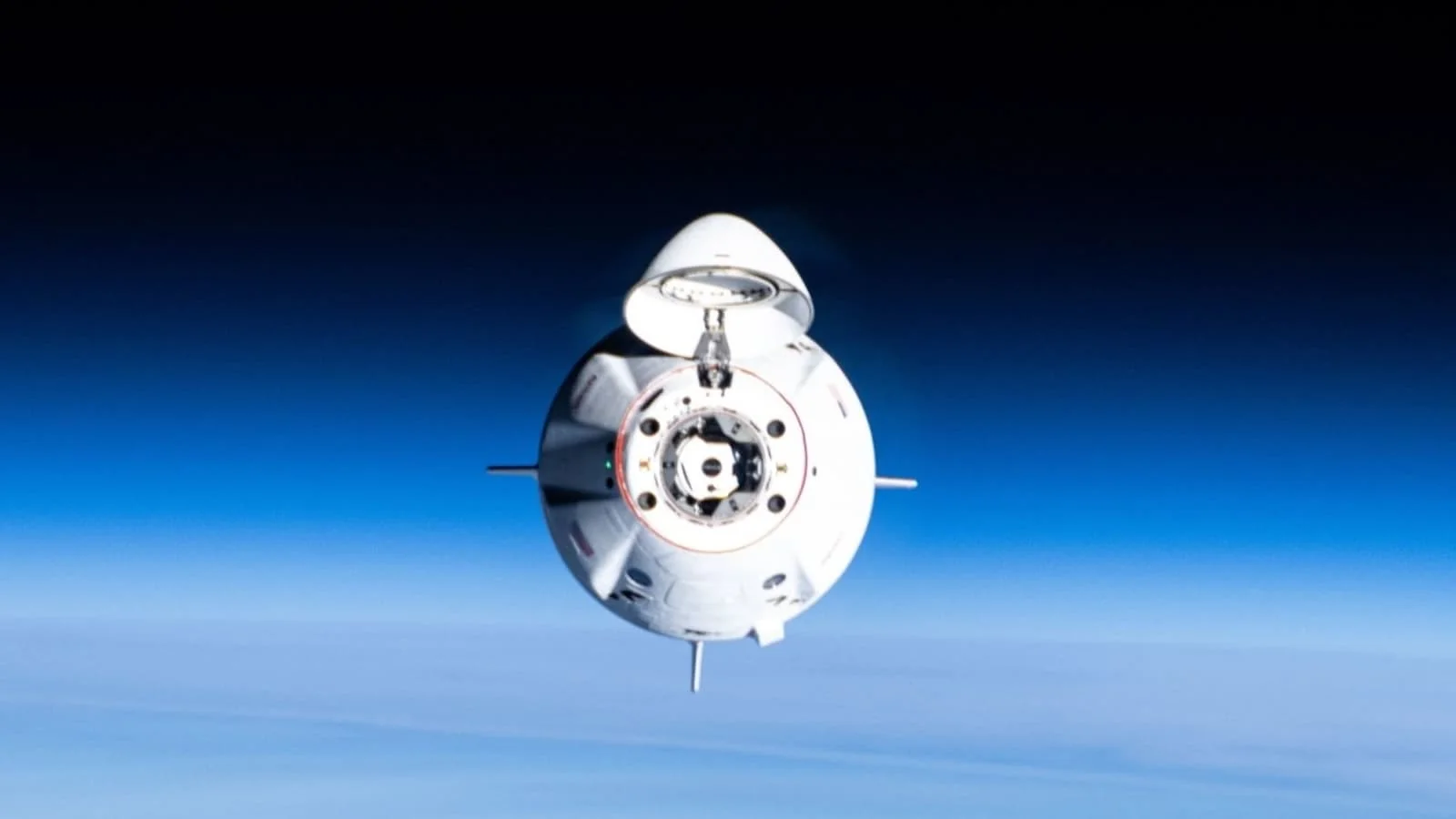
NASA has moved to expand its partnership with SpaceX, announcing plans to add six post-certification missions to the company’s commercial crew contract. This decision, detailed in a May 18 procurement filing, secures long-term transportation to the International Space Station through 2030, providing a critical buffer against ongoing delays within Boeing’s crewed flight program.
A Strategic Shift in Crew Transportation
cluster (priority): Zamin.uz
The agency’s decision to sole-source these additional flights to SpaceX is a direct response to the technical hurdles that have stalled the certification of Boeing’s CST-100 Starliner. While NASA has long sought to maintain two distinct transportation systems, the current reality of the International Space Station (ISS) mission schedule has forced a reliance on a single, proven provider.
According to the procurement filing reported by SpaceNews, the agency intends to formalize the addition of six post-certification missions (PCMs) to the existing SpaceX contract. NASA plans to order up to three of these missions immediately to ensure continuity in crew rotations. This extension is designed to bridge the gap until the ISS is slated for retirement in 2030, ensuring that the station remains fully staffed during its final years of operation.
Rationalizing the Sole-Source Extension
cluster (priority): SpaceNews
NASA provided a comprehensive rationale for this contract expansion, emphasizing the necessity of maintaining a reliable, human-rated transport capability. The agency’s statement points to a convergence of factors that have made the SpaceX-only path a necessity for mission assurance.
“It is necessary to award additional PCMs to SpaceX given the recently shortened ISS mission durations, technical issues and schedule delays encountered by Boeing, the allocation of missions between Boeing and SpaceX, NASA’s projections for when an alternative CTS may become available, and the ongoing technical challenges of maintaining a reliable CTS capability for crewed flights to ISS,”NASA, via SpaceNews
As noted by Zamin.uz, the decision to maintain the standard six-month rotation schedule—rather than extending crew stays to eight months—further necessitates a higher cadence of flights. By keeping the six-month cycle, NASA aims to maximize the scientific utility of the station, which requires consistent, reliable crew access that currently only the Crew Dragon spacecraft provides.
Evolution of the Commercial Crew Manifest
Boeing, SpaceX win NASA contracts
The path to this contract expansion has been marked by significant adjustments to previous agreements. NASA previously modified the SpaceX commercial crew contract in 2022, adding five missions for $1.4 billion, which extended the company’s responsibilities through the Crew-14 mission. The new agreement effectively continues this momentum through the end of the decade.
Conversely, the Boeing program has seen its scope reduced. In November 2024, NASA and Boeing reached an agreement to cut the number of planned Starliner missions from six to four. The Teslarati coverage highlights that while the industry focuses on the rapid, iterative development of systems like the Starship V3, the more immediate operational needs of the ISS are being met by the mature, operational reliability of the Crew Dragon fleet.
The following table outlines the trajectory of the commercial crew program as it stands in the second quarter of 2026:
Provider
Contract Status
Primary Objective
SpaceX
Expanded by 6 PCMs
ISS crew rotation through 2030
Boeing
Reduced to 4 missions
Starliner certification pending
Operational Realities and Future Outlook
cluster (priority): news.google.com
With the Crew-12 mission currently docked at the station, the focus remains on maintaining the steady drumbeat of logistics and personnel transport. The decision to secure these six additional flights removes ambiguity regarding the agency’s contingency plans. By locking in SpaceX through 2030, NASA is effectively insulating its primary laboratory in orbit from the risks associated with the ongoing certification delays of the Starliner.
For the next 30 days, industry observers will look for further details on the specific mission manifests for these newly added flights. While SpaceX continues to push the boundaries of its launch infrastructure at Starbase—including recent efforts to refine the Mechazilla tower arm for the Starship V3 program—the company’s bread-and-butter operations with the Crew Dragon remain the essential tether between Earth and the International Space Station.
Leo Andersson covers innovation, AI, and cybersecurity. A former engineer turned journalist from Stockholm, Leo has contributed to major tech outlets across Europe. His analytical style and deep understanding of technology trends define Globally Pulse’s forward-looking reporting.