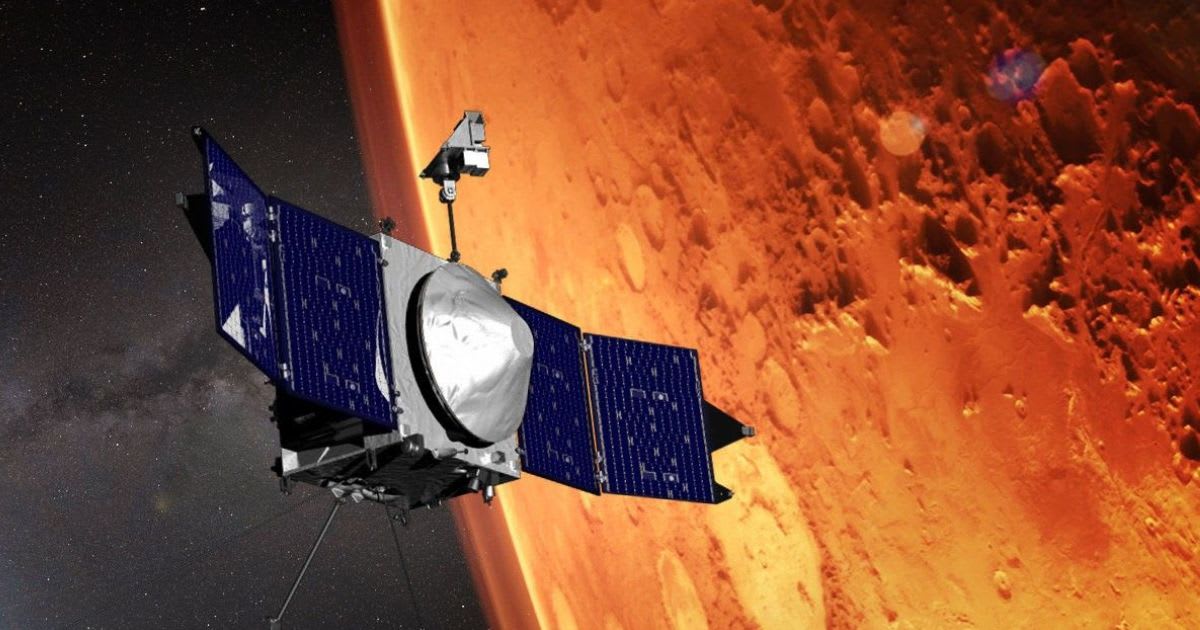
NASA administrator Jared Isaacman leads the agency as it prepares to celebrate the United States’ 250th birthday through the Freedom 250 initiative. As of June 3, 2026, the agency continues its mission of space exploration and aeronautics research, managing an authorized budget of $24.4 billion for the current fiscal year.
NASA’s Operational Structure and Leadership
The National Aeronautics and Space Administration serves as the independent agency of the United States federal government responsible for the nation’s civil space program. Headquartered in Washington, D.C., the organization is structured into three primary mission directorates: Human Spaceflight, Research and Technology, and Science. Since December 2025, the agency has been led by administrator Jared Isaacman.
The workforce supporting these initiatives consists of approximately 18,400 civil servants. To carry out its mandates, the agency maintains ten field centers across the United States. These include the Langley Research Center, which focuses on aeronautics; the Johnson Space Center, the hub for human spaceflight operations; and the Jet Propulsion Laboratory, which manages robotic exploration missions. Its operational reach is supported by extensive infrastructure, including the Deep Space Network and the Near Earth Network, which facilitate essential communications for ongoing missions.
Advancing the Frontier: Freedom 250
As the United States approaches its semiquincentennial, NASA has launched the Freedom 250 initiative. This program is designed to highlight the innovation, courage, and scientific leadership that have historically driven American exploration. According to NASA, the initiative underscores the agency’s commitment to expanding frontiers for the next generation.
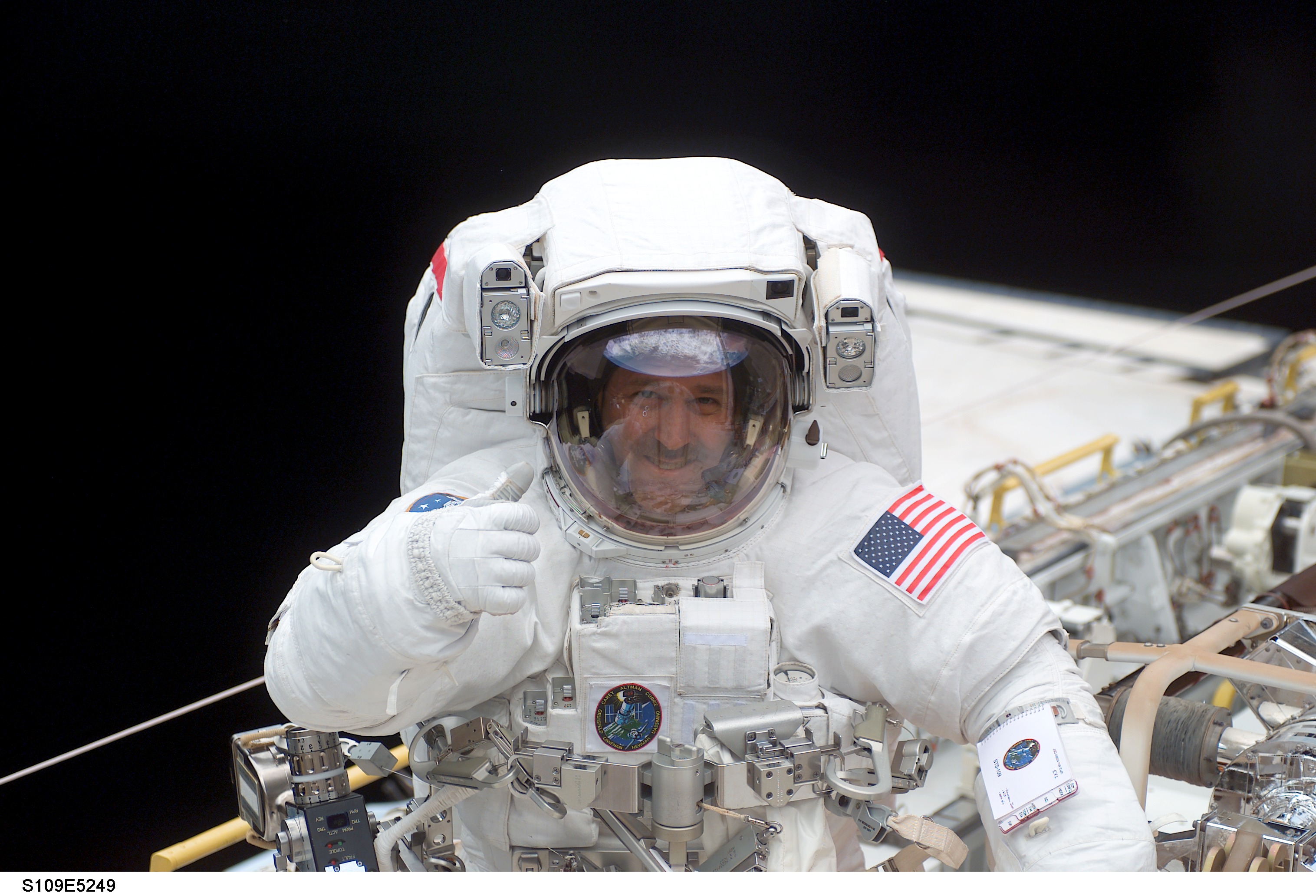
The Freedom 250 initiative serves as a strategic framework for coordinating public outreach and educational programming leading up to 2026. By leveraging historic milestones, the agency aims to foster public interest in aerospace career paths and scientific literacy. The spirit of discovery remains a central theme for the agency. From the foundational steps taken during the Apollo program to the contemporary missions shaping the future, the agency emphasizes its role in representing the spirit of adventure that defines the nation.
Current Scientific and Exploration Priorities
The agency’s research portfolio remains diverse, ranging from Earth observation to deep space exploration. Its science programs include the Earth Observing System, heliophysics research, and Solar System exploration, which utilizes robotic missions such as the Perseverance rover and New Horizons. In the field of astrophysics, the agency employs space-based observatories including the Hubble Space Telescope and the James Webb Space Telescope.
Human spaceflight remains a critical component of the agency’s objectives. Current efforts are anchored by the multi-national Artemis program, which aims to further human exploration beyond low Earth orbit. The agency is leading the development of the Space Launch System rocket and the Orion spacecraft to support these goals. Furthermore, the agency continues to support the International Space Station (ISS) through international partnerships with organizations such as the European Space Agency (ESA), the Japan Aerospace Exploration Agency (JAXA), the Canadian Space Agency (CSA), and Russia’s Roscosmos.
Commercial collaboration is a significant aspect of the agency’s modern operations. Through programs like the Commercial Crew Program and Commercial Resupply Services, the agency facilitates private sector involvement in maintaining the ISS. Additionally, the Launch Services Program manages launch operations for uncrewed missions. This shift toward commercial partnerships has enabled the agency to focus resources on deep-space exploration while maintaining reliable access to low Earth orbit through competitive service contracts.
Historical Context and Agency Evolution
The agency traces its origins to the National Advisory Committee for Aeronautics (NACA), which was established in 1915 to foster aeronautical research and development after the United States recognized a lag in aviation capability compared to Europe. In 1958, NASA succeeded NACA to provide the U.S. space program with a distinct civilian orientation, focusing on peaceful applications.

Since its inception, the agency has led numerous American spaceflight programs, including Project Mercury, Project Gemini, the Apollo program, Skylab, and the Space Shuttle. The 1969 Apollo 11 Moon landing remains a milestone that has exerted a lasting influence on popular culture. In the modern era, the agency maintains a public presence through media initiatives such as the NASA+ streaming service, which provides outreach and visibility for its ongoing work in science and space exploration. This evolution reflects the agency’s mandate to balance high-stakes technical achievement with broad public engagement, ensuring that the progress of space exploration remains accessible to the American public.
The agency’s commitment to aeronautics research also continues to evolve, with ongoing investments in sustainable aviation, supersonic flight testing, and advanced air mobility. These efforts are designed to ensure the United States remains at the forefront of global aerospace technological standards, further solidifying the agency’s role in both atmospheric and space-based research.
